Vein & Wound Institute Santa Barbara
Advanced, personalized care for vein disease, circulation concerns, and difficult-to-heal wounds in Santa Barbara.
Vein & Wound Institute provides comprehensive evaluation and treatment for patients experiencing varicose veins, spider veins, chronic venous insufficiency, leg swelling, aching or heavy legs, circulation concerns, and acute or chronic wounds.
By combining specialized vein care with advanced wound management, our team can evaluate both the visible concern and the underlying factors that may be contributing to symptoms or delayed healing.
Vein Care & Wound Care Under One Roof
Healthy circulation is important for comfort, mobility and tissue repair. Venous disease can contribute to swelling, aching and skin changes, while arterial circulation can directly affect the body's ability to heal.
Wounds can also be influenced by diabetes, infection, pressure, edema and other medical conditions. Our integrated approach helps identify those underlying factors when appropriate.
Vein Evaluation
Evaluation for varicose veins, spider veins, chronic venous insufficiency, swelling and other symptoms associated with venous disease.
Explore Vein Treatments →Wound Care
Specialized care for chronic wounds, diabetic ulcers, venous ulcers, pressure injuries, traumatic wounds and wounds that are not healing normally.
Explore Wound Care →Diagnostic Testing
Non-invasive vascular testing can help identify venous reflux, circulation problems and other factors influencing symptoms or wound healing.
Diagnostic Laboratory →Minimally Invasive Care
Modern vein procedures may treat selected diseased veins without traditional vein surgery when clinically appropriate.
Learn More →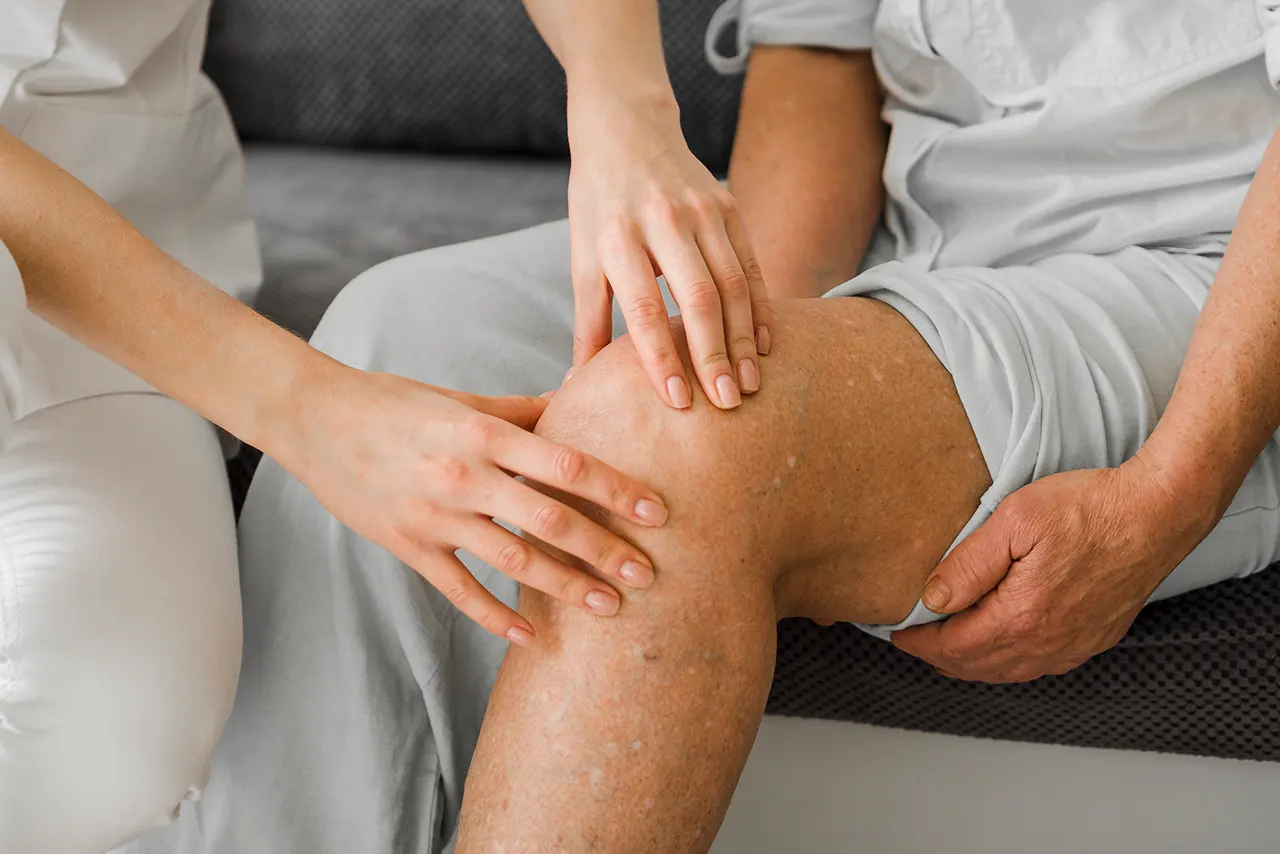
Treating the Source of Venous Symptoms
Veins in the legs contain one-way valves that help blood move upward toward the heart. When those valves weaken or become damaged, blood may flow backward and pool in the lower extremities.
This venous reflux can contribute to visible veins, swelling, aching, heaviness, skin discoloration and more advanced problems such as venous leg ulcers.
Advanced Vein Treatments
Treatment recommendations are based on symptoms, vein anatomy, diagnostic findings and individual medical needs.
Specialized Care for Difficult-to-Heal Wounds
A wound that remains open or repeatedly returns may require more than routine dressing changes. Understanding the reason healing has stalled is an important part of treatment.
Venous disease, arterial circulation, diabetes, infection, swelling, pressure and unhealthy tissue can all influence the body's ability to repair a wound.
Helping Create the Right Environment for Healing
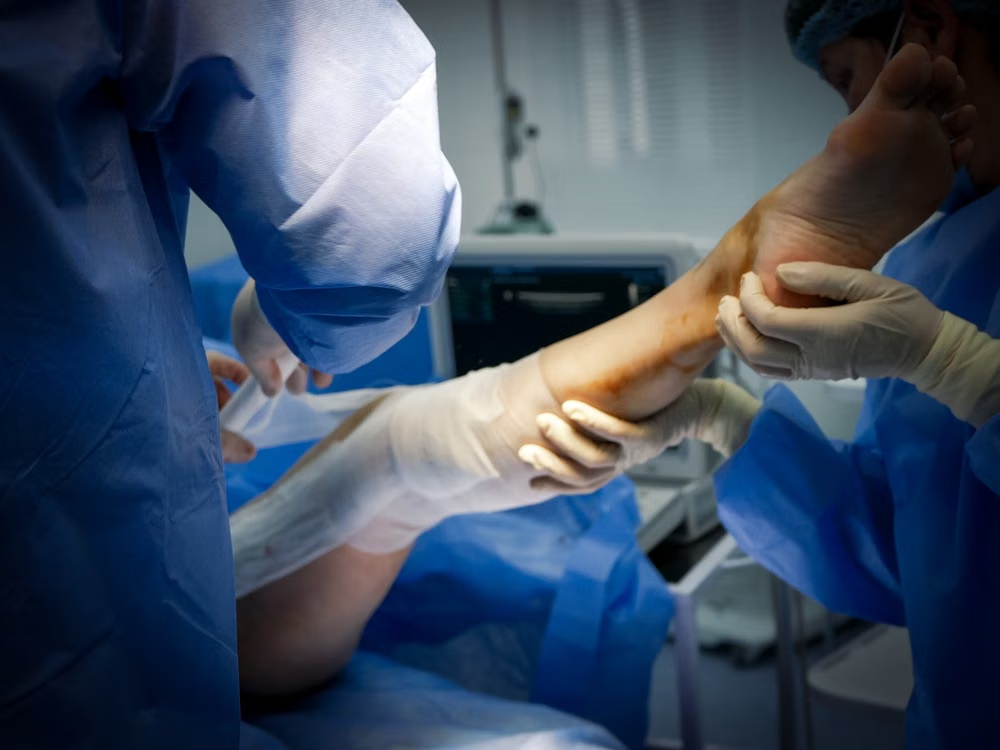
For selected difficult-to-heal wounds, advanced therapies may help remove barriers to healing and support healthier tissue development.
Debridement
Removing unhealthy or dead tissue may help prepare the wound bed for healthier tissue growth.
Learn About Debridement →Negative Pressure Therapy
Negative pressure wound therapy may help selected wounds by managing drainage and supporting wound-bed development.
Learn About NPWT →Bioengineered Skin Grafts
Advanced skin substitutes or biologic products may be considered for selected chronic wounds that remain difficult to heal.
Learn About Skin Grafts →Wound Biopsy
Selected persistent or unusual wounds may require tissue sampling to help identify an underlying diagnosis.
Learn About Wound Biopsy →Circulation Matters in Wound Healing
Lower-extremity wounds and vascular disease often overlap. Evaluating circulation can help determine whether venous reflux, arterial insufficiency or chronic swelling is contributing to delayed healing.
Evaluate
We begin with symptoms, medical history, wound characteristics and visible vascular concerns.
Diagnose
Diagnostic testing may help identify venous reflux, arterial disease or another condition affecting the legs.
Treat
A personalized care plan addresses the underlying condition rather than focusing only on visible symptoms.
Follow Up
Progress is monitored so treatment can be adjusted as symptoms improve or a wound advances through healing.
Vein & Wound Institute Santa Barbara
Our Santa Barbara office provides specialized vein and wound care for patients throughout Santa Barbara and surrounding Central Coast communities.
Why Choose Vein & Wound Institute?
Our approach combines diagnostic evaluation with personalized treatment planning to address the condition contributing to symptoms or delayed wound healing.
Specialized Focus
Care focused on venous disease, circulation-related symptoms and acute or chronic wounds.
Diagnostic Approach
Testing can help identify underlying vascular problems rather than treating symptoms in isolation.
Minimally Invasive Options
Modern vein procedures can address selected venous conditions without traditional vein surgery.
Individualized Care
Treatment plans are based on diagnosis, symptoms, medical history and patient-specific needs.
Start With the Source of the Problem
Whether you are dealing with painful veins, persistent leg swelling, circulation concerns or a wound that is not healing, the first step is determining what is causing the problem.
Santa Barbara Vein & Wound FAQs
Where is Vein & Wound Institute in Santa Barbara?
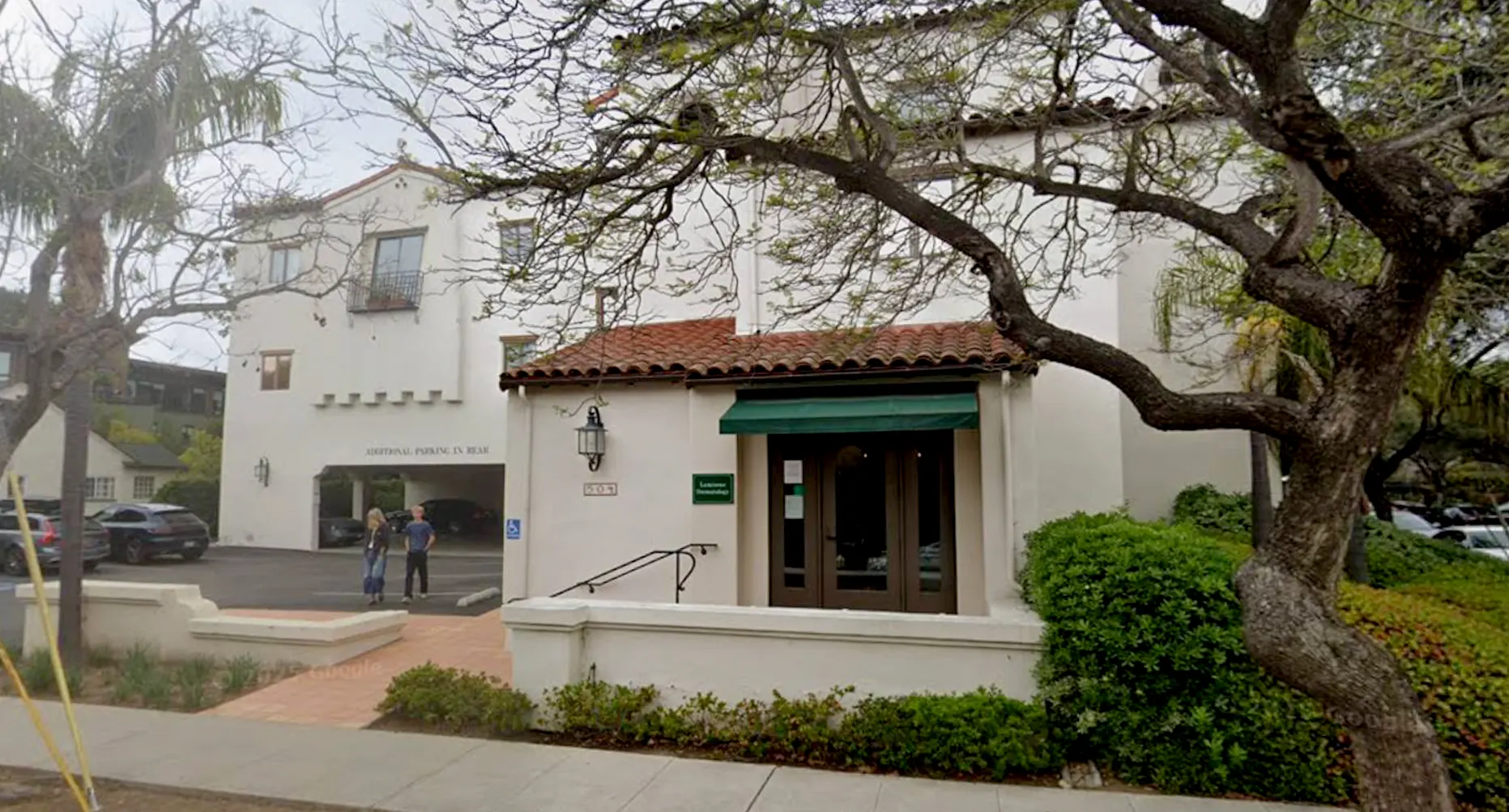
The Santa Barbara office is located at 504 W Pueblo St., Suite 301, Santa Barbara, CA 93105.
What vein conditions do you evaluate?
Vein & Wound Institute evaluates varicose veins, spider veins, chronic venous insufficiency, leg swelling, aching or heavy legs, venous ulcers and other concerns related to venous disease.
What wound conditions do you treat?
Wound care may include diabetic ulcers, venous leg ulcers, arterial ulcers, pressure injuries, post-surgical wounds, traumatic wounds, wound infections and other difficult-to-heal wounds.
Do you offer minimally invasive vein treatment?
Depending on diagnosis and vein anatomy, treatment options may include laser ablation, radiofrequency ablation, ClariVein, foam sclerotherapy, ambulatory phlebectomy, VenaSeal, Varithena and other minimally invasive approaches.
Can poor circulation prevent a wound from healing?
Yes. Arterial disease may reduce oxygen delivery to tissue, while chronic venous disease may contribute to swelling and inflammation. Both can interfere with lower-extremity wound healing.
How do I schedule an appointment at the Santa Barbara office?
You can request an appointment through the website or call Vein & Wound Institute at 310-402-2849.