
Varithena™
A minimally invasive injectable microfoam treatment designed to improve symptoms and visible varicose veins associated with superficial venous insufficiency.
Varithena™ is a prescription polidocanol injectable foam used to treat incompetent great saphenous veins, accessory saphenous veins and associated visible varicosities above and below the knee.
The treatment is delivered directly into the affected vein under ultrasound guidance, allowing the physician to treat diseased veins without surgical vein stripping or thermal ablation.
Schedule a Consultation
Treating the Diseased Vein From Within
Varithena is administered as a specialized polidocanol microfoam. Once injected into the target vein, the foam fills the vein and contacts the vessel wall, causing the treated vein to close.
Blood is then naturally redirected through healthier veins while the treated vein is gradually absorbed by the body.
Vein Evaluation
Duplex ultrasound helps identify reflux and determine which veins may benefit from treatment.
Vein Access
The physician accesses the target vein using a needle or small cannula.
Microfoam Injection
Varithena microfoam is injected into the affected vein under ultrasound guidance.
Vein Closure
The treated vein closes and circulation is redirected through healthier veins.
A Non-Thermal Approach to Varicose Veins
Varithena provides another option for patients with symptomatic superficial venous disease. Because treatment is chemical rather than thermal, it does not require heat to close the targeted vein.
When Varithena May Be Considered
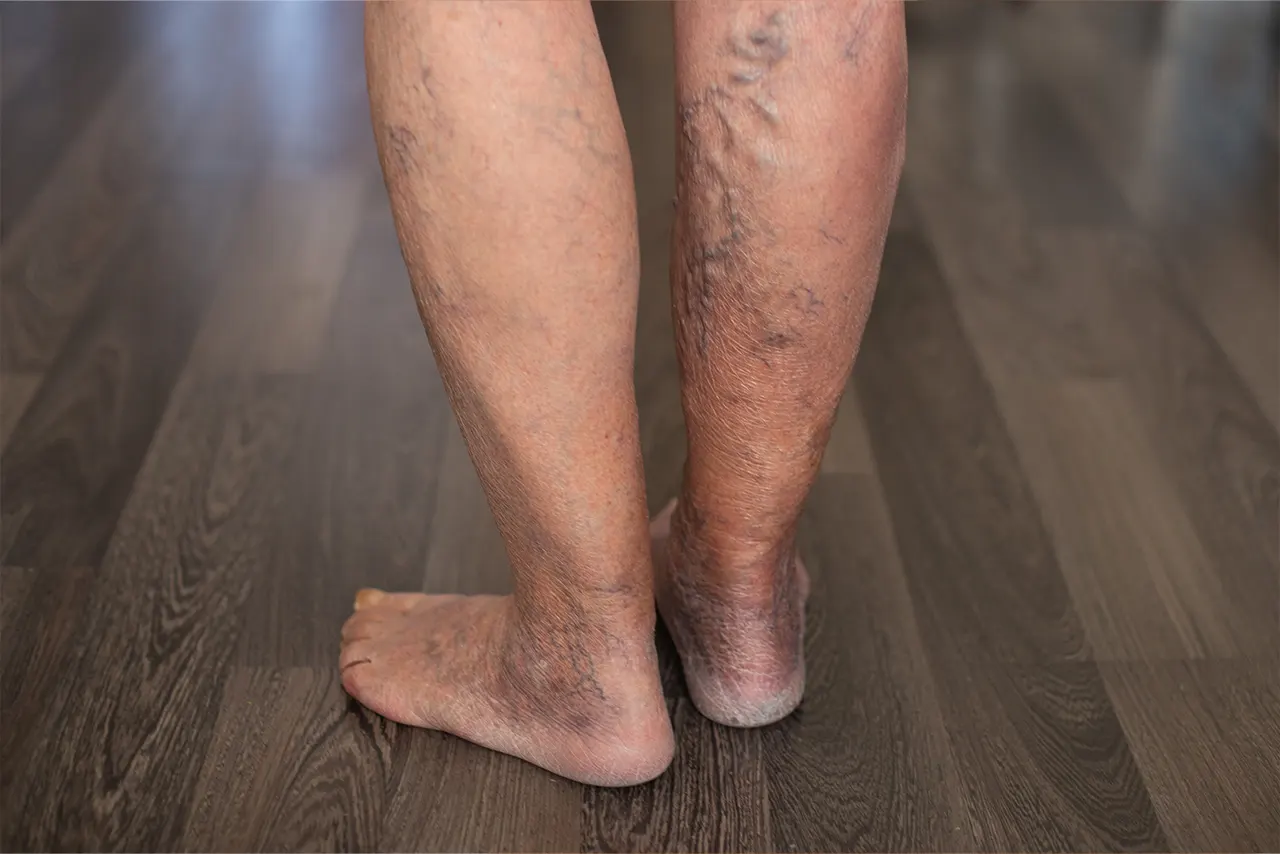
Varithena may be considered when symptoms or visible varicose veins are associated with incompetence in the great saphenous vein system.
Varicose Veins
Bulging or enlarged veins associated with superficial venous insufficiency.
Leg Heaviness
Persistent heaviness or fatigue that may become more noticeable after prolonged standing.
Aching & Discomfort
Aching, throbbing or tenderness associated with dysfunctional superficial veins.
Leg Swelling
Lower-leg or ankle swelling that may occur when venous circulation is inefficient.
What to Expect After Varithena
After treatment, compression is applied and patients are encouraged to walk. Current prescribing information instructs patients to walk for at least 10 minutes while being monitored following treatment.
Compression bandaging and stockings are generally maintained for two weeks after treatment. Your physician will provide specific instructions based on your procedure and individual needs.
Varithena is not appropriate for everyone. It is contraindicated in patients with a known allergy to polidocanol or acute thromboembolic disease. Your physician will review your medical history and individual risk factors before treatment.
Varithena FAQs
What is Varithena?
Varithena is a prescription polidocanol injectable foam used to treat incompetent great saphenous veins, accessory saphenous veins and visible varicosities associated with the great saphenous vein system above and below the knee.
How does Varithena work?
Varithena microfoam is injected into the diseased vein under ultrasound guidance. The foam displaces blood and contacts the vessel wall, causing the treated vein to close so blood can redirect through healthier veins.
Is Varithena the same as traditional sclerotherapy?
Both approaches use a sclerosing medication, but Varithena is a proprietary polidocanol injectable microfoam specifically indicated for treating incompetent veins and visible varicosities of the great saphenous vein system.
Does Varithena use heat?
No. Varithena is a non-thermal treatment. It uses injectable microfoam rather than laser or radiofrequency energy to treat the targeted vein.
Will I need compression after Varithena?
Current prescribing information calls for compression bandaging and stockings after treatment, with compression maintained for two weeks. Your physician will provide specific post-treatment instructions.
Who should not receive Varithena?
Varithena is contraindicated in patients with a known allergy to polidocanol and patients with acute thromboembolic disease. Your physician will also evaluate other medical conditions and risk factors before recommending treatment.