Leg Pain / Heaviness
Aching, tired or heavy legs can be more than the result of a long day. In some patients, these symptoms are associated with chronic venous insufficiency and abnormal blood flow in the leg veins.
When vein valves do not close properly, blood can flow backward and pool in the lower extremities. The resulting venous pressure may contribute to aching, heaviness, throbbing, fatigue and swelling.
A vascular evaluation can help determine whether your symptoms are related to vein disease or another underlying condition.
Schedule a Vein Evaluation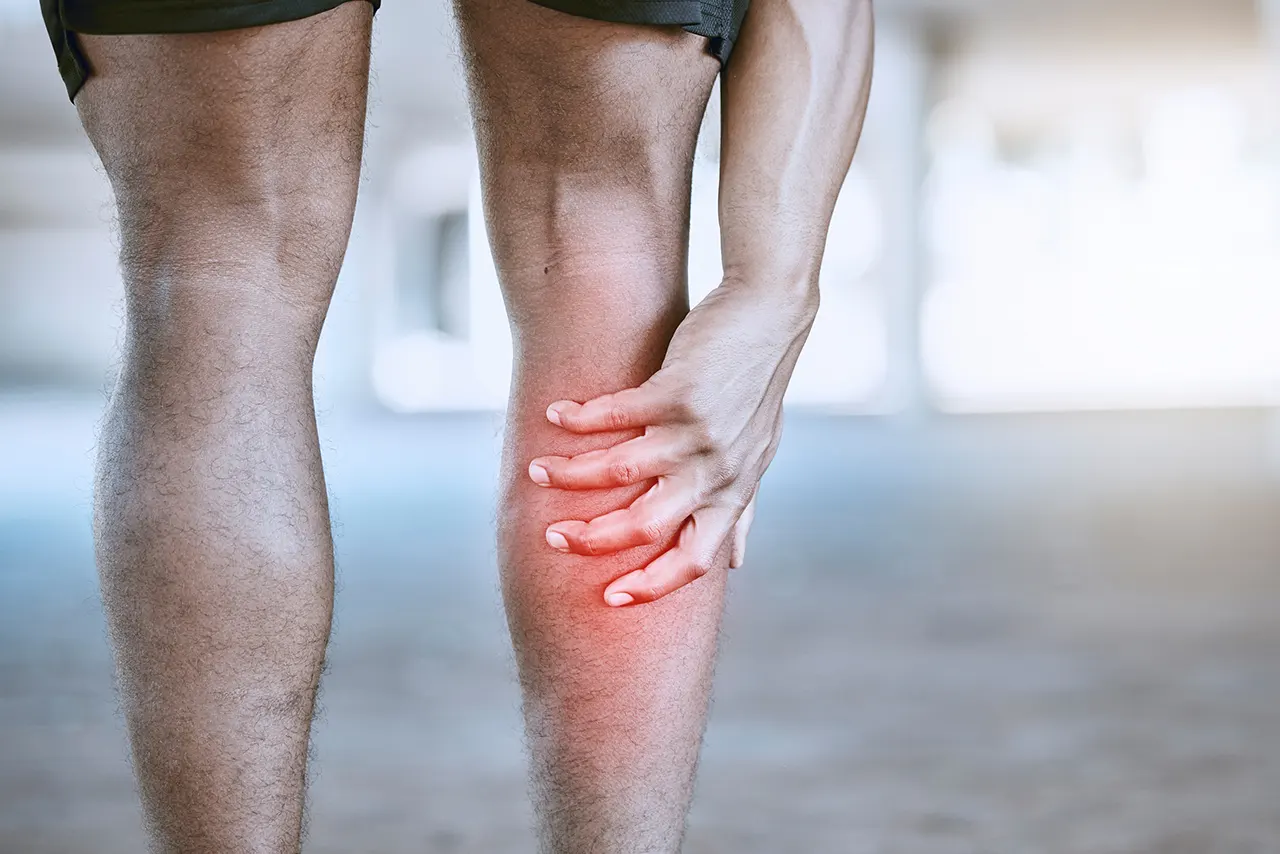
Why Can Vein Disease Make Legs Feel Heavy?
The veins in your legs must move blood upward against gravity. One-way valves normally help prevent blood from flowing backward.
When these valves weaken, blood can collect in the lower extremities. This increased venous pressure may contribute to discomfort, fatigue and a sensation that the legs feel unusually heavy.
Venous Reflux
Weak vein valves can allow blood to flow backward instead of efficiently returning toward the heart.
Venous Pressure
Pooling blood increases pressure inside the veins and surrounding tissues of the lower legs.
Inflammation
Persistent venous hypertension can contribute to inflammation and discomfort within affected tissues.
Fluid Accumulation
Venous pressure may contribute to swelling, which can make the legs feel tight, tired or heavy.

Signs Your Discomfort May Be Vein-Related
Venous symptoms can vary widely. Some people have prominent varicose veins, while others experience discomfort despite relatively few visible changes.
Evaluating Leg Pain & Heaviness
Leg discomfort can have many causes, including vein disease, arterial disease, nerve problems, joint conditions and muscle injuries.
When venous insufficiency is suspected, evaluation may include a physical examination and duplex ultrasound to assess vein anatomy, blood flow and valve function.
Symptom Review
Your provider reviews when symptoms occur, how long they last and what makes them better or worse.
Physical Exam
The legs are examined for varicose veins, swelling, skin changes and other signs of vascular disease.
Duplex Ultrasound
Ultrasound can identify venous reflux, abnormal valve function and other circulation problems.
Treatment Plan
Your treatment plan is based on the underlying cause, ultrasound findings and severity of symptoms.
Some Types of Leg Pain Require Prompt Evaluation
Gradual aching or heaviness related to chronic venous disease is different from sudden or severe leg pain.
Sudden One-Sided Pain
New calf or leg pain affecting one side may require evaluation for a blood clot.
Sudden Swelling
Rapid swelling in one leg, particularly with pain or tenderness, can occur with deep vein thrombosis.
Warmth or Redness
New warmth, redness and tenderness may be associated with inflammation or a blood clot.
Chest Symptoms
Chest pain, sudden shortness of breath or coughing blood requires emergency medical attention.
Seek prompt medical attention for sudden unexplained leg pain or swelling, especially when it affects one leg. Call emergency services for chest pain, sudden shortness of breath, fainting or coughing blood.
Managing Venous Leg Discomfort
When symptoms are caused by venous insufficiency, initial treatment may focus on improving circulation and reducing pressure within the leg veins.
Compression
Graduated compression stockings may help support venous return and reduce aching or swelling in appropriately selected patients.
Walking
Walking activates the calf-muscle pump, helping move blood upward through the leg veins.
Leg Elevation
Elevating the legs can reduce venous pressure and may provide temporary relief from heaviness or swelling.
Activity Changes
Reducing long periods of uninterrupted sitting or standing may help limit symptom buildup during the day.
When Symptoms Are Caused by Venous Reflux
Conservative care may help manage symptoms, but it does not necessarily correct a vein with abnormal reflux.
If duplex ultrasound identifies significant superficial venous insufficiency, minimally invasive treatment may be considered to close the dysfunctional vein and redirect blood through healthier circulation.
The right treatment depends on the source of your symptoms. Not all leg pain is caused by veins, which is why proper evaluation is important before treatment.
Leg Pain & Heaviness FAQs
Can vein disease cause aching or heavy legs?
Yes. Chronic venous insufficiency can allow blood to pool in the lower extremities, increasing venous pressure and contributing to aching, heaviness, fatigue, swelling and other symptoms.
Why do my legs feel heavier at the end of the day?
Prolonged standing and gravity can increase pressure within the leg veins. In patients with venous reflux, symptoms may become more noticeable as the day progresses.
Can I have venous insufficiency without visible varicose veins?
Yes. Some patients have significant venous reflux without prominent surface veins. Duplex ultrasound can evaluate deeper circulation and vein valve function that cannot be assessed by appearance alone.
How do you know whether my leg pain is caused by my veins?
Evaluation typically includes a symptom review and physical examination. If vein disease is suspected, duplex ultrasound can identify reflux, abnormal valve function and other venous abnormalities.
Can compression help aching and heavy legs?
Compression stockings may help some patients with venous disease by supporting blood flow and reducing venous pressure. The appropriate compression level should be based on your circulation and medical history.
Will treating venous reflux improve leg heaviness?
When venous reflux is responsible for the symptoms, treating the dysfunctional vein may improve aching, heaviness and related complaints. Individual results depend on the cause and severity of the symptoms.