
Non-Healing Wounds
A wound that does not make expected progress can be a sign that an underlying problem is interfering with the body's normal healing process.
Non-healing wounds may remain open for weeks or months and can occur after an injury, surgery, pressure injury, diabetic foot ulcer, venous leg ulcer or other type of skin breakdown.
Specialized wound care focuses on identifying why the wound is not healing and addressing the factors that are preventing healthy tissue from developing.
Schedule a Wound Evaluation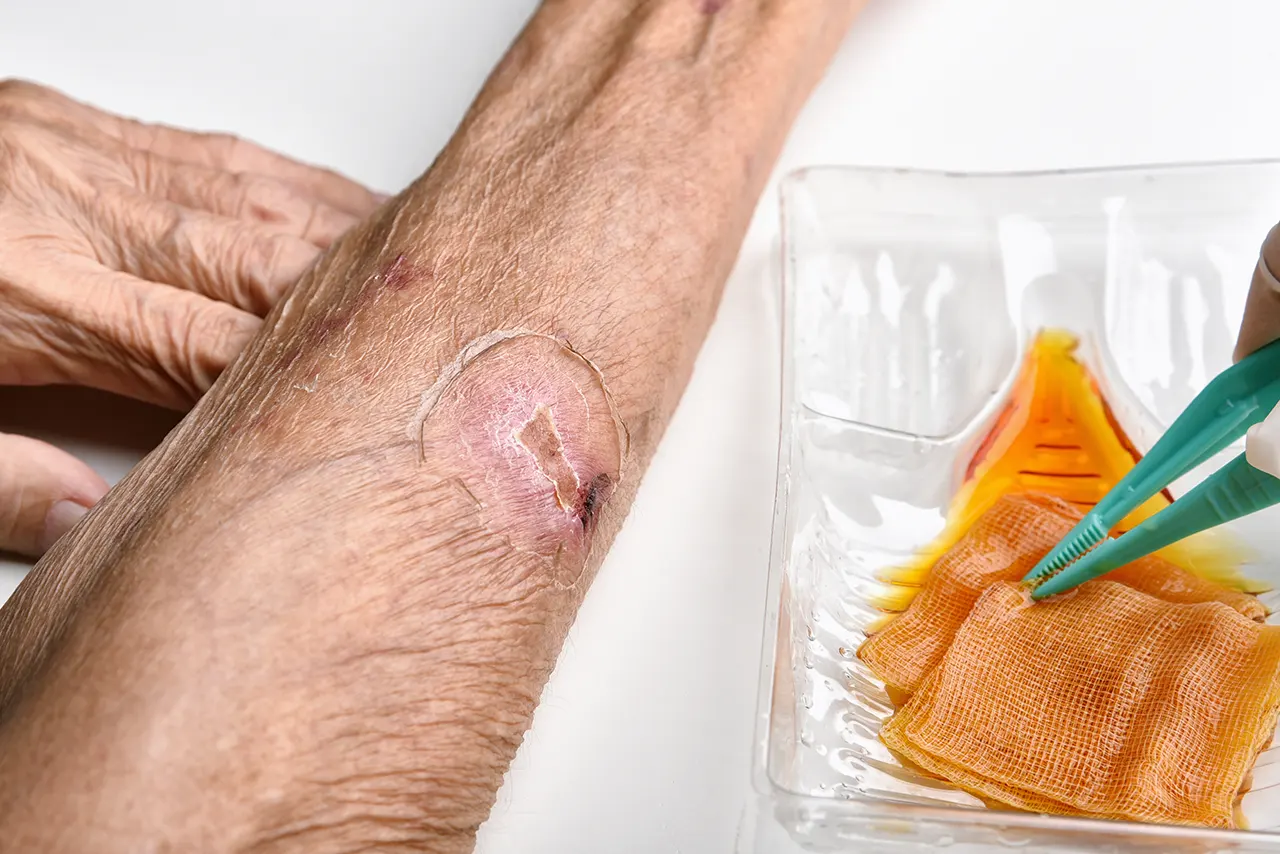
What Makes a Wound Become Chronic?
Normal wound healing depends on adequate circulation, a controlled inflammatory response, healthy tissue and protection from repeated injury.
When one or more of these factors are disrupted, a wound can remain stuck in an inflammatory state and fail to progress through normal repair.
Poor Circulation
Reduced arterial blood flow can limit oxygen and nutrients needed for tissue repair.
Venous Disease
Chronic venous pressure can contribute to swelling, inflammation and persistent lower-leg wounds.
Diabetes
Diabetes can affect circulation, sensation and immune response, increasing the risk of delayed wound healing.
Infection
Bacteria within the wound can damage healthy tissue and interfere with normal healing.
Why a Wound May Stay Open
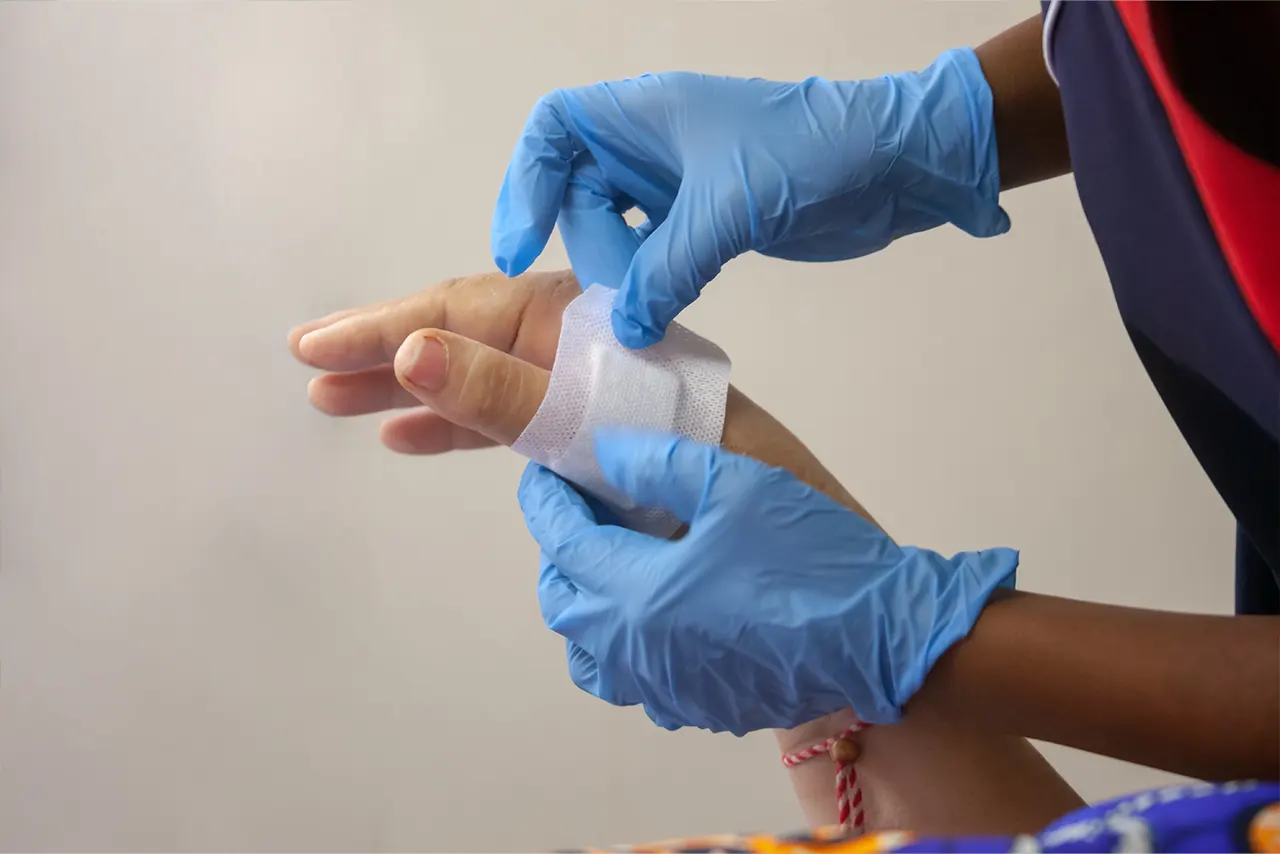
A wound can fail to heal for several reasons. In many patients, more than one factor contributes at the same time.
Different Wounds Can Become Chronic
Non-healing wounds are not one specific diagnosis. The term describes wounds that are not progressing through the normal healing process.
Diabetic Ulcers
Neuropathy, pressure and reduced circulation can make foot wounds particularly difficult to heal in patients with diabetes.
Venous Leg Ulcers
Chronic venous hypertension can contribute to wounds around the ankle or lower leg that persist or frequently recur.
Arterial Ulcers
Reduced blood flow may cause painful wounds on the toes, feet or lower legs that cannot heal without adequate circulation.
Pressure Injuries
Continuous pressure can damage tissue over bony areas and lead to wounds that deepen if pressure is not relieved.
Post-Surgical Wounds
Some surgical incisions can separate, become infected or fail to close normally after a procedure.
Traumatic Wounds
Injuries may become chronic when tissue loss, infection, poor circulation or repeated trauma interferes with healing.
Infected Wounds
Persistent or severe infection can delay healing and cause additional tissue damage.
Complex Wounds
Some wounds involve several underlying problems and require a combination of vascular, medical and wound-care treatments.
Finding the Reason a Wound Is Not Healing
Effective wound treatment starts with understanding the cause of the problem rather than simply covering the wound.
Wound Assessment
The wound is evaluated for size, depth, drainage, tissue quality and changes in the surrounding skin.
Circulation Testing
Arterial or venous testing may be used when poor circulation is suspected as a barrier to healing.
Infection Review
The wound is examined for clinical signs of infection and additional testing may be ordered when appropriate.
Treatment Planning
A personalized care plan is developed based on the wound type and the factors preventing normal healing.
When Should a Wound Be Evaluated?
A wound does not necessarily need to be large or severe to require medical attention. Lack of progress itself can be an important warning sign.
Little or No Improvement
The wound appears unchanged or continues to enlarge despite routine care.
Persistent Drainage
Ongoing or increasing wound drainage may indicate excess inflammation, infection or another healing problem.
Unhealthy Tissue
Dark tissue, slough or other nonviable tissue may prevent the wound bed from progressing normally.
Recurring Wounds
A wound that closes and repeatedly reopens may indicate an untreated underlying condition such as pressure or venous disease.
Treating the Wound and the Cause
Successful wound care often requires more than a dressing. Treatment may need to address circulation, pressure, swelling, infection and other medical factors at the same time.
The treatment plan should be based on the underlying wound type. For example, compression may benefit a venous ulcer but may be unsafe in some patients with significant arterial disease unless circulation is evaluated first.
When Standard Wound Care Is Not Enough
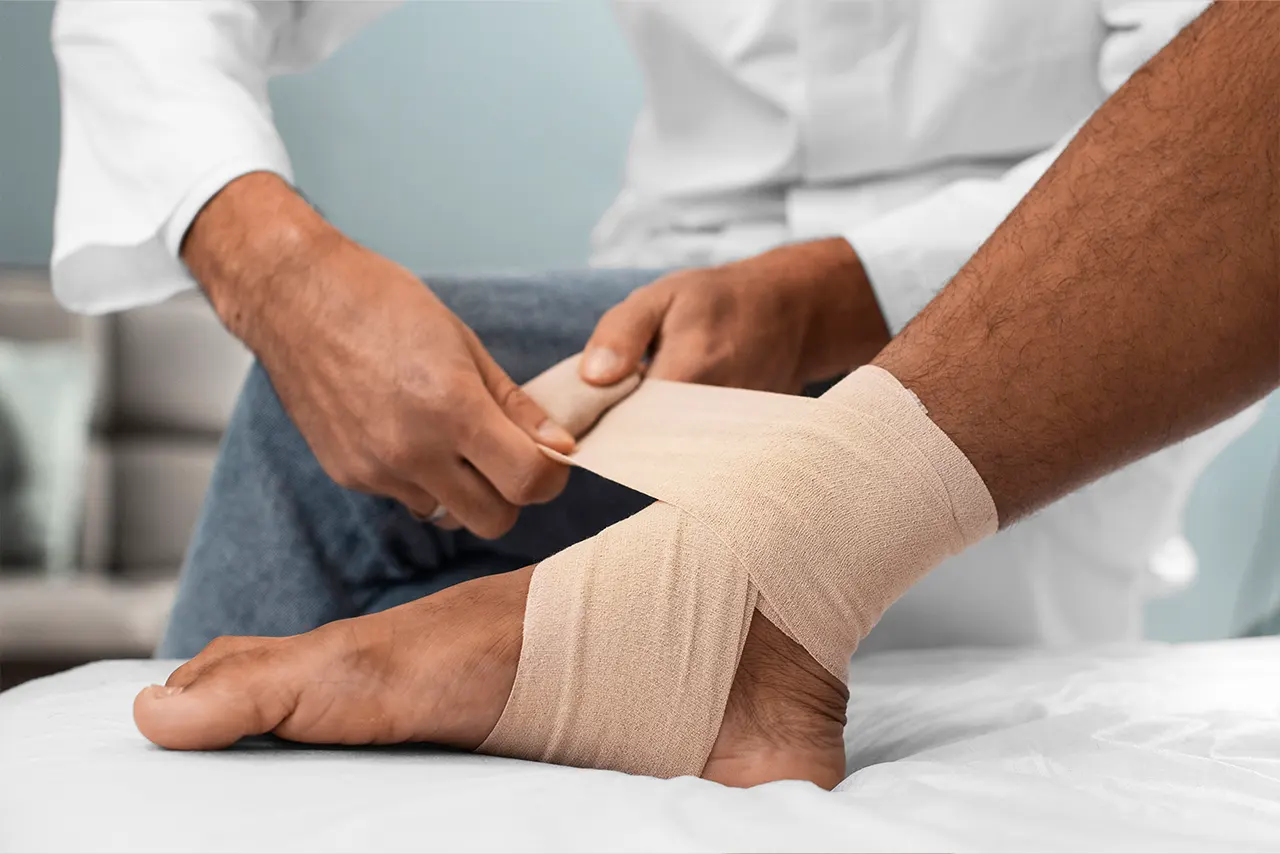
Some chronic wounds require additional treatments when they fail to progress despite appropriate basic wound care.
Excisional Debridement
Removing unhealthy or dead tissue can help create a cleaner wound bed that supports new tissue formation.
Negative Pressure Therapy
Selected wounds may benefit from negative pressure wound therapy to manage drainage and support wound-bed development.
Bioengineered Skin Grafts
Advanced skin substitutes or biologic products may be considered for selected wounds that remain difficult to heal.
Specialized Dressings
Modern wound products can help manage drainage, protect healthy tissue and maintain an appropriate healing environment.
Blood Flow Plays a Major Role in Healing
A wound cannot heal efficiently without adequate circulation. Both arterial disease and chronic venous disease can contribute to difficult-to-heal lower-extremity wounds, but they affect healing in different ways.
Arterial Disease
Reduced arterial blood flow can limit oxygen delivery to tissue and prevent wounds from repairing normally.
Venous Disease
Venous hypertension can produce swelling and chronic inflammation that contribute to lower-leg ulcers.
Edema
Persistent fluid accumulation can increase tissue pressure and interfere with normal oxygen and nutrient exchange.
Vascular Testing
Diagnostic testing can help determine whether arterial or venous circulation is contributing to a wound's failure to heal.
Signs a Non-Healing Wound May Be Getting Worse
Changes in the wound or surrounding skin may indicate infection, reduced circulation or worsening tissue damage.
Increasing Redness
Redness that is spreading beyond the wound may indicate infection or worsening inflammation.
Increasing Pain
New or worsening pain may indicate infection, inflammation or inadequate circulation.
Drainage or Odor
New pus, increasing drainage or foul odor may indicate a wound complication.
Darkening Tissue
Black, blue or rapidly changing tissue can indicate tissue death or severe circulation problems and should be evaluated promptly.
Seek prompt medical care for rapidly worsening wounds, spreading redness, fever, increasing pain, foul-smelling drainage or darkening tissue. Sudden severe symptoms or other medical emergencies require immediate care.
Non-Healing Wound FAQs
What is considered a non-healing wound?
A non-healing or chronic wound is a wound that does not progress through the expected stages of healing or remains open longer than expected despite routine care.
Why won't my wound heal?
Possible causes include poor circulation, chronic venous disease, diabetes, infection, pressure, swelling, dead tissue, smoking, nutritional problems and other medical conditions.
What types of wounds commonly become chronic?
Diabetic foot ulcers, venous leg ulcers, arterial ulcers, pressure injuries, post-surgical wounds and traumatic wounds are among the types of wounds that can become difficult to heal.
How do you determine why a wound is not healing?
Evaluation includes examining the wound itself and assessing factors such as circulation, infection, pressure, swelling, diabetes and other health conditions that may affect healing.
How are non-healing wounds treated?
Treatment may include specialized dressings, debridement, infection management, compression or offloading when appropriate, circulation treatment and advanced wound therapies depending on the cause.
When should I see a wound-care specialist?
A wound should be evaluated when it is not showing expected improvement, continues to enlarge, repeatedly reopens or develops increasing drainage, redness, pain, odor or other concerning changes.