Choosing a Vein Specialist
The right vein specialist can help identify the true cause of your symptoms and guide you toward the most appropriate treatment.
Varicose veins and other visible vein problems are often treated as cosmetic concerns, but vein health is also a medical issue. A qualified vein specialist can evaluate circulation, diagnose underlying venous disease, and recommend treatment based on the source of the problem rather than appearance alone.
Schedule a Vein Evaluation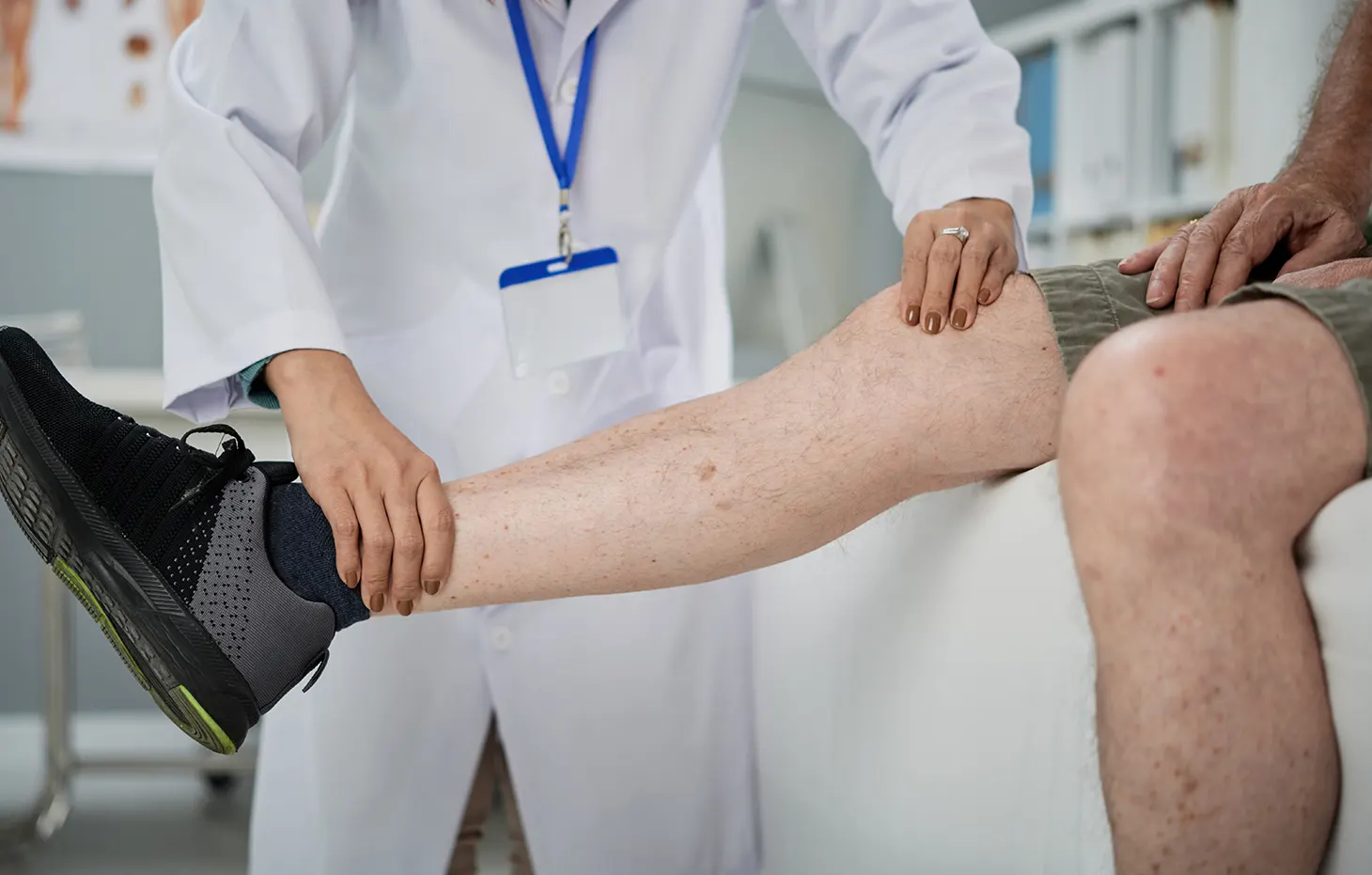
Vein Problems Deserve Specialized Evaluation
Healthy veins use one-way valves to move blood back toward the heart. When those valves weaken or fail, blood can pool in the legs and cause pain, swelling, varicose veins, skin changes, or other complications. A specialist who focuses on venous disease is better positioned to identify the underlying problem and tailor treatment appropriately.
Focused Expertise
Choose a physician with specific experience diagnosing and treating venous disease, not simply cosmetic veins.
Modern Diagnostics
Look for access to vascular ultrasound and other diagnostic testing when deeper venous reflux may be present.
Multiple Options
A qualified vein practice should offer several minimally invasive treatment options rather than a one-size-fits-all approach.
Personalized Care
Your treatment plan should reflect your symptoms, ultrasound findings, vein anatomy, and overall health.
Questions to Ask When Choosing a Vein Specialist
A consultation should give you a clear understanding of your diagnosis, whether the problem is cosmetic or medical, and why a particular treatment is being recommended.
When to Consider Seeing a Vein Specialist
Visible veins are only one reason to seek evaluation. Symptoms can indicate increased venous pressure even when cosmetic changes are mild.
Leg Pain or Heaviness
Persistent aching, fatigue, throbbing, or heaviness can be associated with poor venous return.
Swelling
Recurring ankle or lower-leg swelling may indicate a circulation problem that deserves evaluation.
Varicose Veins
Bulging or twisted veins can be a visible sign of weakened valves and venous reflux.
Spider Veins
Small visible veins can be cosmetic, but they may also exist alongside deeper vein disease.
Skin Changes
Discoloration, itching, irritation, or thickened skin around the lower legs can develop with chronic venous disease.
Venous Ulcers
Non-healing wounds near the ankle may be related to longstanding venous hypertension and require specialized care.
Choose a Practice Equipped for Modern Vein Care
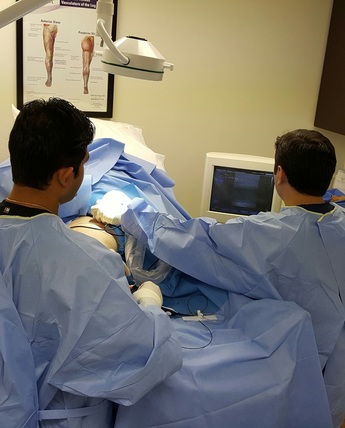
Advances in vein treatment have made it possible to address many venous conditions using minimally invasive, office-based techniques. A specialist should be familiar with current options and recommend treatment based on the vein involved and the severity of disease.
Comprehensive Care With Dr. Shah
Vein & Wound Institute provides vascular diagnostic testing and minimally invasive treatment for varicose veins, spider veins, and other venous disorders through a team approach centered around Dr. Haimesh Shah.
Choosing a Vein Specialist FAQs
Why should I see a vein specialist instead of a general physician?
A vein specialist focuses specifically on venous disease and is more likely to have experience with vascular diagnostics and the full range of modern vein treatments.
What qualifications should I look for?
Look for a physician with strong training and experience in venous disease, diagnostic ultrasound, and minimally invasive vein procedures. Board certification and a practice focused on vein care are important considerations.
Should a vein specialist perform ultrasound testing?
When symptoms suggest underlying venous reflux, duplex ultrasound can help identify abnormal blood flow and determine which veins are contributing to the problem.
Are varicose veins always cosmetic?
No. Varicose veins can be cosmetic, but they can also reflect underlying venous reflux and may be associated with aching, swelling, skin changes, or ulceration.
What treatments should a vein specialist offer?
Depending on the condition, treatment may include compression, sclerotherapy, radiofrequency ablation, laser ablation, ambulatory phlebectomy, or treatment for smaller cosmetic veins.
When should I schedule a vein evaluation?
Consider an evaluation if you have persistent leg pain, heaviness, swelling, visible varicose veins, recurrent skin irritation or discoloration, or a wound that may be related to venous disease.