Peripheral Arterial Disease / Poor Circulation
Peripheral arterial disease, or PAD, occurs when narrowed or blocked arteries reduce the flow of oxygen-rich blood to the legs and feet.
PAD is commonly caused by atherosclerosis, a buildup of plaque inside the arteries. As circulation becomes restricted, patients may develop leg discomfort while walking, cold feet, numbness, skin changes or wounds that are slow to heal.
Early evaluation can help identify circulation problems before they progress to more serious complications.
Schedule a Vascular Evaluation
What Is Peripheral Arterial Disease?
Peripheral arterial disease develops when arteries supplying the extremities become narrowed or blocked. The legs are affected most often.
When arterial blood flow is reduced, muscles and tissues may not receive enough oxygen during activity. More advanced disease can reduce circulation even while resting.
Plaque Buildup
Fatty deposits can accumulate within artery walls and gradually narrow the pathway available for blood flow.
Reduced Circulation
Narrowed arteries may prevent enough oxygen-rich blood from reaching the muscles, skin and tissues of the legs.
Activity Symptoms
Muscles may begin to ache, cramp or fatigue during walking when their demand for oxygen exceeds the available blood supply.
Advanced Disease
Severe arterial disease can cause rest pain, tissue damage and wounds that have difficulty healing.
What Does Poor Arterial Circulation Feel Like?
PAD symptoms depend on how much the arteries have narrowed and which blood vessels are affected. Some people have significant arterial disease without obvious symptoms.
Leg Pain That Starts With Activity
One of the classic symptoms of PAD is intermittent claudication, which is discomfort caused by insufficient blood flow to working muscles.
The pain often begins after walking a predictable distance and improves after several minutes of rest. It may be described as cramping, aching, heaviness, tightness or fatigue.
Starts With Walking
Symptoms often begin when activity increases the amount of oxygen needed by the leg muscles.
Predictable Pattern
Some patients notice discomfort after walking approximately the same distance each time.
Improves With Rest
Symptoms commonly improve after stopping activity because the muscles require less blood and oxygen.
May Progress
As arterial disease advances, symptoms may occur with less activity or eventually even while resting.
Who Is at Greater Risk for PAD?
PAD is strongly associated with cardiovascular risk factors that can damage or narrow arteries throughout the body.
Smoking
Tobacco exposure is a major risk factor for developing and worsening peripheral arterial disease.
Diabetes
Diabetes can accelerate vascular disease and increase the risk of foot wounds and circulation-related complications.
High Cholesterol
Elevated cholesterol can contribute to plaque formation within arterial walls.
High Blood Pressure
Long-term hypertension can damage blood vessels and increase cardiovascular risk.
Increasing Age
The likelihood of developing atherosclerotic arterial disease generally rises with age.
Kidney Disease
Chronic kidney disease is associated with an increased risk of vascular disease and arterial calcification.
Heart Disease
Patients with coronary artery disease may also have plaque buildup in arteries supplying the legs.
Family History
A family history of vascular or cardiovascular disease may increase individual risk.
Evaluating Blood Flow to the Legs
PAD evaluation begins with a medical history and physical examination. Additional vascular testing can help determine whether blood flow is reduced and how severe the problem may be.
Pulse Examination
Your provider may examine pulses in the groin, behind the knee, ankle and foot to look for reduced arterial circulation.
ABI Testing
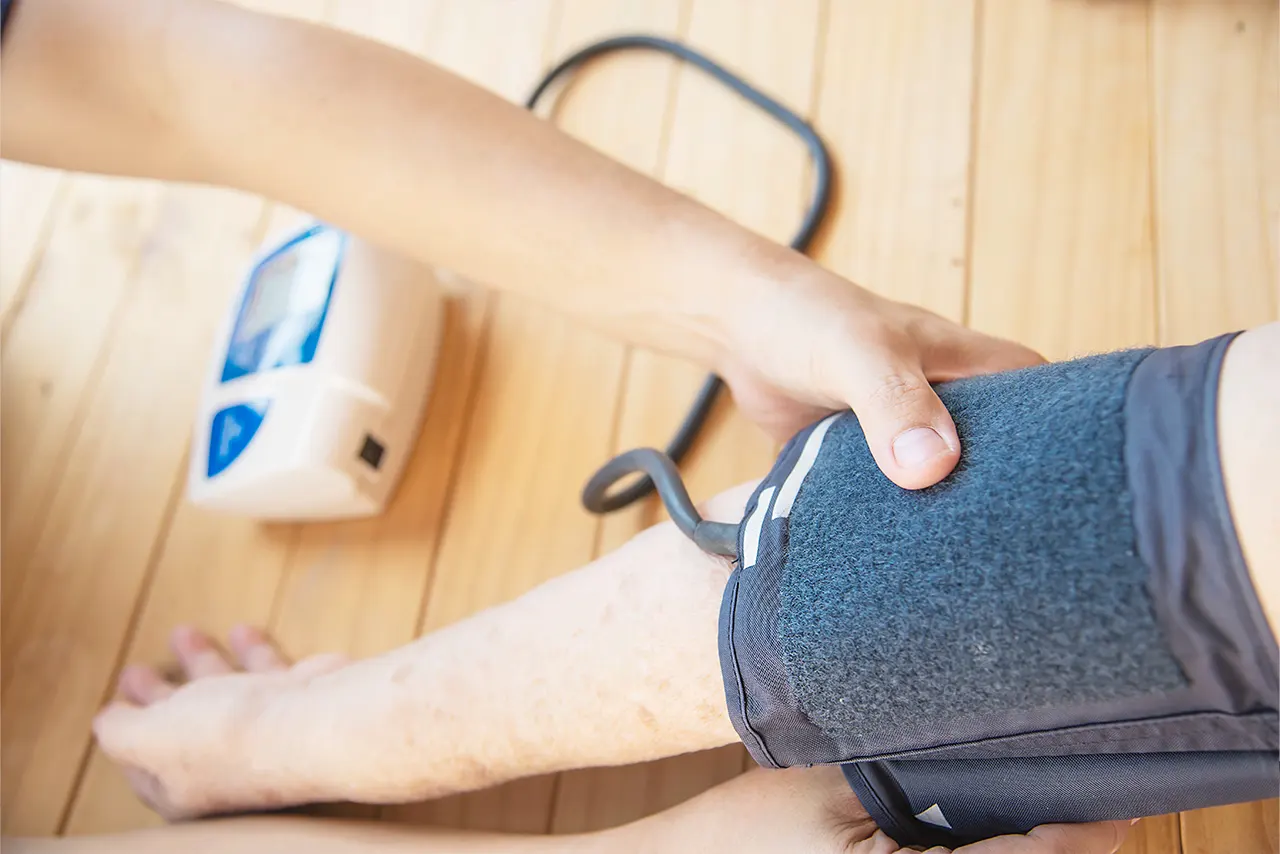
An ankle-brachial index compares blood pressure at the ankle with blood pressure in the arm to screen for reduced arterial flow.
Arterial Duplex
Ultrasound can evaluate blood flow through the arteries and help locate narrowed or blocked segments.
Additional Testing
Toe pressures, pulse-volume recordings or additional vascular imaging may be used when more information is needed.
Poor Circulation Can Make Wounds Harder to Heal
Healing tissue requires oxygen and nutrients delivered by the bloodstream. When arterial circulation is significantly reduced, wounds of the foot, ankle or lower leg may heal slowly or fail to heal.
Arterial ulcers commonly occur on the toes, feet, heels or other pressure points and may look different from wounds caused primarily by venous disease.
Evaluating arterial circulation is especially important before using strong compression therapy on a patient with a lower-extremity wound.
Managing Peripheral Arterial Disease
Treatment depends on the severity of arterial disease, symptoms and overall cardiovascular risk. Management often combines lifestyle changes, medical therapy and vascular procedures when necessary.
Walking Programs
Structured walking exercise can improve walking ability and help muscles use available blood flow more efficiently in appropriate patients.
Risk Factor Control
Managing smoking, diabetes, blood pressure and cholesterol is an important part of reducing cardiovascular risk.
Medical Therapy
Medications may be prescribed to reduce cardiovascular risk, improve symptoms or manage related medical conditions.
Revascularization
Selected patients with significant arterial blockage may need angioplasty, stenting, bypass surgery or another vascular procedure.
Warning Signs of Severe Circulation Problems
More advanced arterial disease can threaten the health of the foot or leg. New severe symptoms should be evaluated promptly.
Rest Pain
Persistent foot or toe pain while resting, particularly at night, can occur when arterial circulation is severely reduced.
Non-Healing Wounds
A sore or wound on the foot or toes that does not improve may indicate inadequate blood supply.
Color Change
New pallor, blue discoloration, darkening tissue or other dramatic changes in foot color require medical evaluation.
Sudden Cold or Painful Limb
Sudden severe pain, numbness, weakness or a cold pale foot may indicate acute arterial blockage and is an emergency.
Sudden severe leg or foot pain with coldness, numbness, weakness, loss of pulse or significant color change can indicate an acute arterial emergency. Seek immediate emergency medical care.
Peripheral Arterial Disease FAQs
What is peripheral arterial disease?
Peripheral arterial disease is a circulation disorder in which narrowed or blocked arteries reduce blood flow to the extremities, most commonly the legs. Atherosclerosis is a frequent underlying cause.
What are the symptoms of poor circulation in the legs?
Symptoms may include cramping or aching while walking, leg fatigue, cold feet, numbness, color changes, weak pulses and wounds that heal slowly. Some people with PAD have few or no noticeable symptoms.
What is claudication?
Claudication is muscle discomfort caused by inadequate blood flow during activity. It often occurs in the calves, thighs or buttocks while walking and improves after resting.
How is peripheral arterial disease diagnosed?
Evaluation may include a physical examination, ankle-brachial index testing, arterial duplex ultrasound, toe pressures, pulse-volume recordings or additional vascular imaging depending on the patient's condition.
Can poor circulation cause wounds?
Yes. Significant arterial disease can reduce the oxygen and nutrients available to injured tissue, making foot and lower-leg wounds slower to heal and increasing the risk of tissue damage.
Can compression stockings be used if I have PAD?
Compression may not be appropriate for every patient with arterial disease. Arterial circulation should be evaluated before significant compression is used, particularly when PAD is suspected or a lower-extremity wound is present.