Minimally Invasive Vein Treatments
Modern treatment options for varicose veins and chronic venous disease with less downtime than traditional surgery.
Varicose veins are often treated for cosmetic reasons, but they can also cause aching, heaviness, swelling and other uncomfortable symptoms. Today, many patients can be treated with office-based procedures that avoid the larger incisions and general anesthesia associated with traditional vein stripping.
Request an Appointment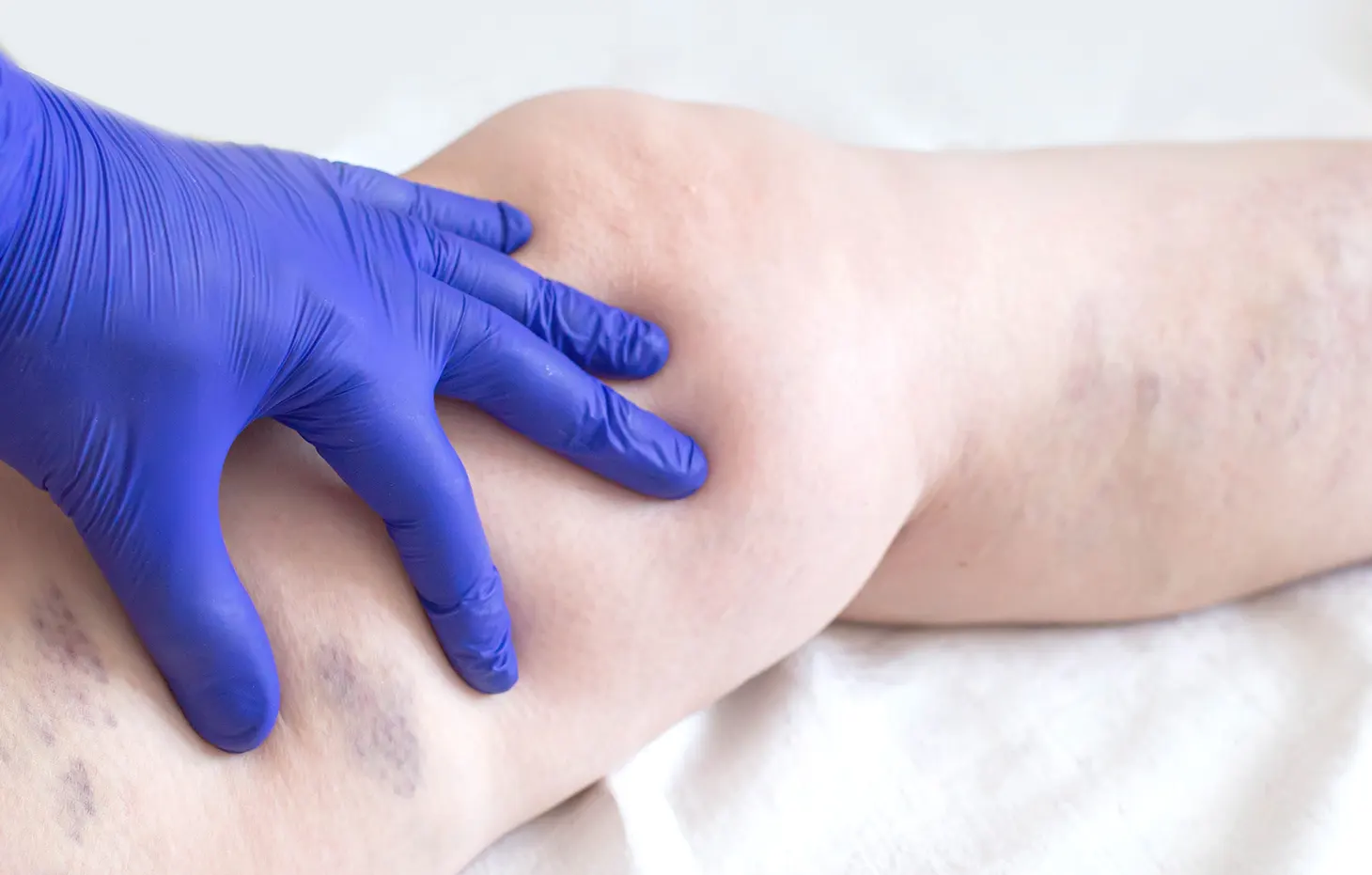
A Different Approach Than Traditional Vein Stripping
In the past, larger varicose veins were commonly treated with surgical vein stripping. Today, less invasive treatments can close or remove unhealthy veins through very small access points, helping redirect blood through healthier circulation pathways.
Smaller Access Points
Many treatments are performed through a needle-sized entry point or small incision rather than open surgery.
Office-Based Procedures
Treatment is often completed in the office using local anesthesia, depending on the procedure.
Faster Recovery
Many patients can walk soon after treatment and return to routine activities quickly.
Common Minimally Invasive Vein Procedures
The best option depends on the size and location of the vein, your ultrasound findings, symptoms and overall vascular health.
Sclerotherapy
A sclerosant is injected into smaller varicose, reticular or spider veins to irritate the vein lining and cause the vessel to close.
Learn MoreRadiofrequency Ablation
Radiofrequency energy heats the inside of an unhealthy vein, causing it to close so blood can redirect through healthier veins.
Learn MoreEndovenous Laser Ablation
Laser energy is delivered inside the vein to create controlled heat, sealing the abnormal vessel from within.
Learn More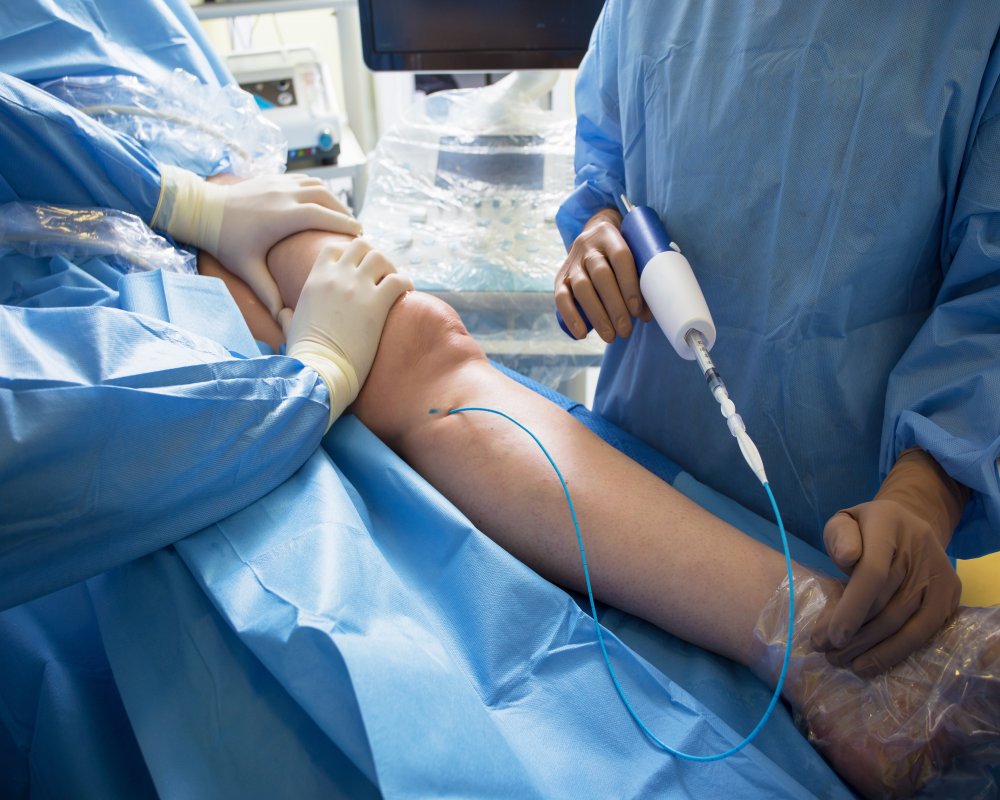
Designed Around Comfort and Convenience
Minimally invasive vein procedures are typically completed in an office setting. Treatment times vary based on the technique and veins being treated, but many procedures can be completed in under an hour.
When Treatment May Be Recommended
Your vein specialist may consider a minimally invasive procedure when venous disease is causing persistent symptoms or when conservative measures such as compression, elevation and activity modification are not providing enough relief.
The Right Procedure Starts With the Right Diagnosis
A vein consultation and duplex ultrasound can help identify where abnormal reflux is occurring and which treatment option is most appropriate. Your treatment plan should be based on the source of the problem, not simply the veins visible at the skin's surface.
What Patients Often Ask About Minimally Invasive Vein Treatments
What are minimally invasive vein treatments?
They are procedures that treat unhealthy veins through small access points rather than traditional open vein surgery. Options may include sclerotherapy, radiofrequency ablation and endovenous laser ablation.
How do these treatments improve circulation?
When an unhealthy vein is closed or removed, blood naturally redirects through healthier veins. This can reduce venous pressure and improve symptoms caused by abnormal blood pooling.
How long does treatment take?
Many minimally invasive vein procedures take approximately 15 to 45 minutes, although treatment time depends on the procedure and number of veins being treated.
Will I need compression stockings afterward?
Compression stockings are commonly recommended after many vein procedures. Your provider will tell you the appropriate compression level and how long to wear them.
Can I return to normal activity after treatment?
Many patients can walk immediately after treatment and return to normal daily activities quickly. Your provider may temporarily limit strenuous exercise or certain activities.
How do I know which vein treatment is right for me?
A consultation and duplex ultrasound can help determine the source of your venous disease and which treatment option is most appropriate for your anatomy, symptoms and goals.