Excisional Debridement
Removing unhealthy tissue to create a cleaner wound bed and support more effective healing.
Debridement is an established part of wound-bed preparation. It removes dead or devitalized tissue, slough, biofilm, fibrinous material and other tissue that may interfere with healing or increase the risk of infection.
Excisional, or sharp, debridement uses precise instruments to remove unhealthy tissue at the wound base or margins so healthier tissue can remain and the wound can progress through the healing process.
Request an Appointment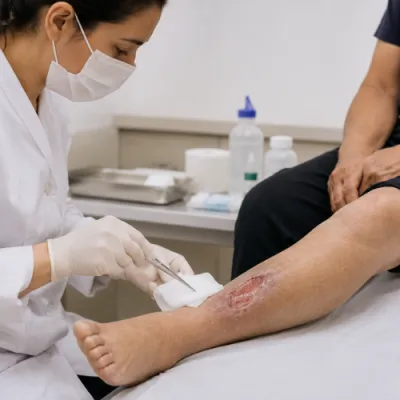
Clearing the Wound Bed for Better Healing
Dead tissue can form a hard crust called eschar and may trap bacteria, contribute to infection, hide the true depth of a wound and prevent advanced wound products from contacting healthy tissue. Removing this material can help create a wound bed that is easier to evaluate and treat.
Remove Devitalized Tissue
Debridement clears necrotic tissue, slough and other nonviable material from the wound surface.
Reduce Barriers to Healing
Removing unhealthy tissue may help lower bacterial burden and allow healthy tissue to progress through healing.
Prepare for Advanced Care
A cleaner wound bed may improve the effectiveness of advanced dressings, grafts and other wound-care therapies.
Choosing the Right Method for the Wound
The appropriate method depends on the wound, the amount and type of unhealthy tissue, circulation, infection risk and the patient’s overall condition.
Mechanical Debridement
Uses physical methods such as selected dressings to remove devitalized tissue and slough from the wound.
Autolytic Debridement
Uses the body’s own enzymes and moisture-preserving dressings to gradually break down dead tissue.
Enzymatic Debridement
Uses topical chemical agents to help break down necrotic tissue, particularly when substantial slough is present.
Excisional Debridement
Uses a scalpel, scissors or other precise device to directly remove dead or severely infected tissue.
A Precise, Office-Based Wound Treatment
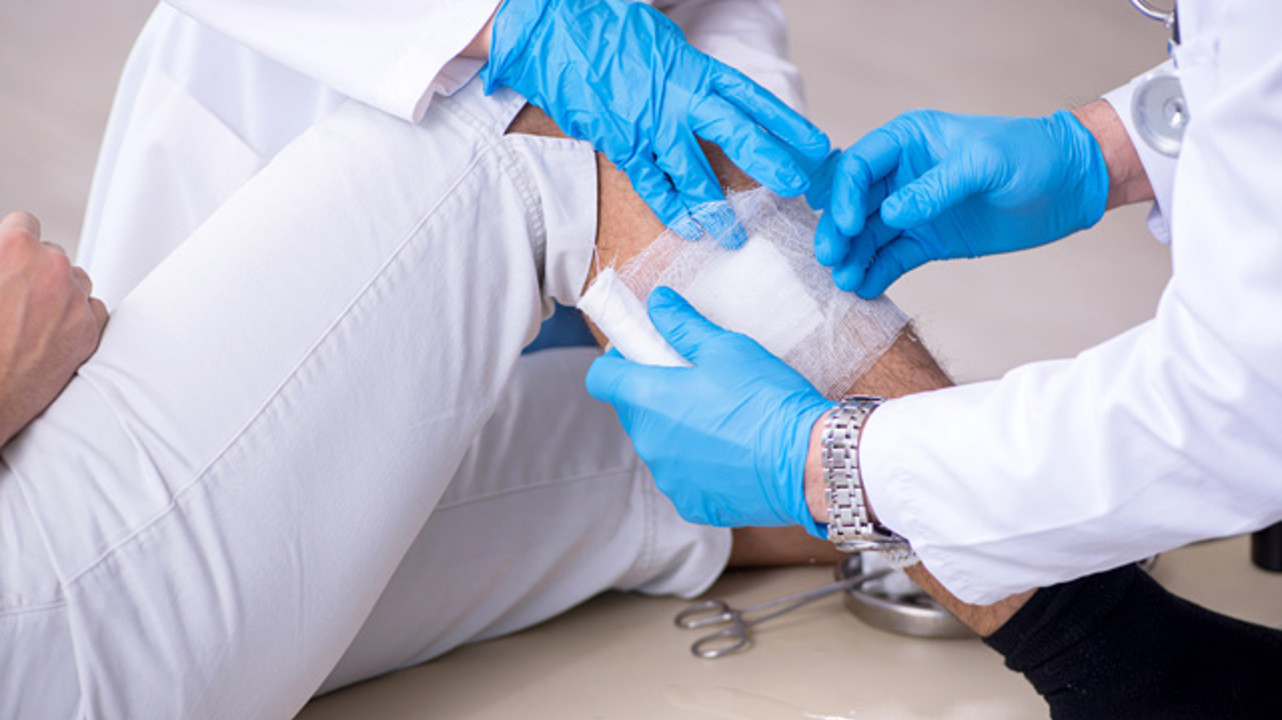
During excisional debridement, a wound-care specialist removes unhealthy tissue from the wound base or margins using sharp instruments or an ultrasonic device. The goal is to leave behind viable tissue and create a healthier wound surface.
What Happens Next
Debridement is often one part of a broader wound-care plan. After unhealthy tissue is removed, the wound may be treated with specialized dressings, infection management, compression when appropriate, advanced wound products or additional vascular evaluation depending on the cause of the wound.
Reassessment
The wound is monitored for changes in size, tissue quality, drainage, infection and signs of healing.
Advanced Dressings
Dressings are selected to manage moisture, protect the wound and support the next stage of healing.
Underlying Cause
Venous disease, arterial disease, diabetes, pressure and other contributing factors may also need treatment.
Excisional Debridement FAQs
What is excisional debridement?
Excisional debridement, sometimes called sharp debridement, is the direct removal of dead, infected or severely unhealthy tissue from a wound using instruments such as a scalpel, scissors or an ultrasonic device.
Why does dead tissue need to be removed?
Dead tissue can interfere with healing, trap bacteria, make infection more difficult to control and prevent wound treatments from reaching healthy tissue underneath.
Is excisional debridement painful?
Comfort depends on the wound and the amount of sensation in the area. Local anesthesia may be used when appropriate, and your wound-care provider will discuss pain control before treatment.
How often is debridement needed?
Some wounds need only one debridement, while chronic wounds may require repeated treatment as new slough or devitalized tissue develops. Frequency is based on the wound’s progress.
Is debridement the only treatment my wound will need?
Usually not. Debridement is often combined with wound dressings, infection management, pressure relief, compression when appropriate and treatment of underlying circulation or medical conditions.
Can every wound be treated with sharp debridement?
No. The safest method depends on circulation, wound type, infection, tissue condition and the patient’s overall health. Your provider will determine whether excisional debridement is appropriate.