Vein & Wound Institute Beverly Hills
Advanced, personalized care for vein conditions and acute or chronic wounds in the heart of Beverly Hills.
Vein & Wound Institute provides comprehensive evaluation and treatment for patients dealing with venous disease, leg swelling, painful or visible veins, circulation concerns, and difficult-to-heal wounds.
By bringing vein care and specialized wound management together, our team can look beyond the surface and address the underlying factors that may be contributing to symptoms or preventing proper healing.
Vein Care & Wound Care Under One Roof
Circulation and wound healing are closely connected. A wound that refuses to heal may be influenced by venous disease, arterial circulation, diabetes, swelling, infection or pressure.
Likewise, symptoms such as aching, heaviness, swelling or skin changes may reflect an underlying vein condition that deserves proper evaluation.
Vein Evaluation
Evaluation for varicose veins, spider veins, chronic venous insufficiency, swelling and other symptoms associated with venous disease.
Explore Vein Treatments →Wound Care
Specialized care for chronic wounds, diabetic ulcers, venous ulcers, pressure injuries, traumatic wounds and wounds that are not healing normally.
Explore Wound Care →Diagnostic Testing
Non-invasive vascular testing can help identify venous reflux, circulation problems and other factors influencing symptoms or wound healing.
Diagnostic Laboratory →Minimally Invasive Care
Modern vein treatments are designed to address diseased veins while minimizing disruption to daily life when clinically appropriate.
Learn More →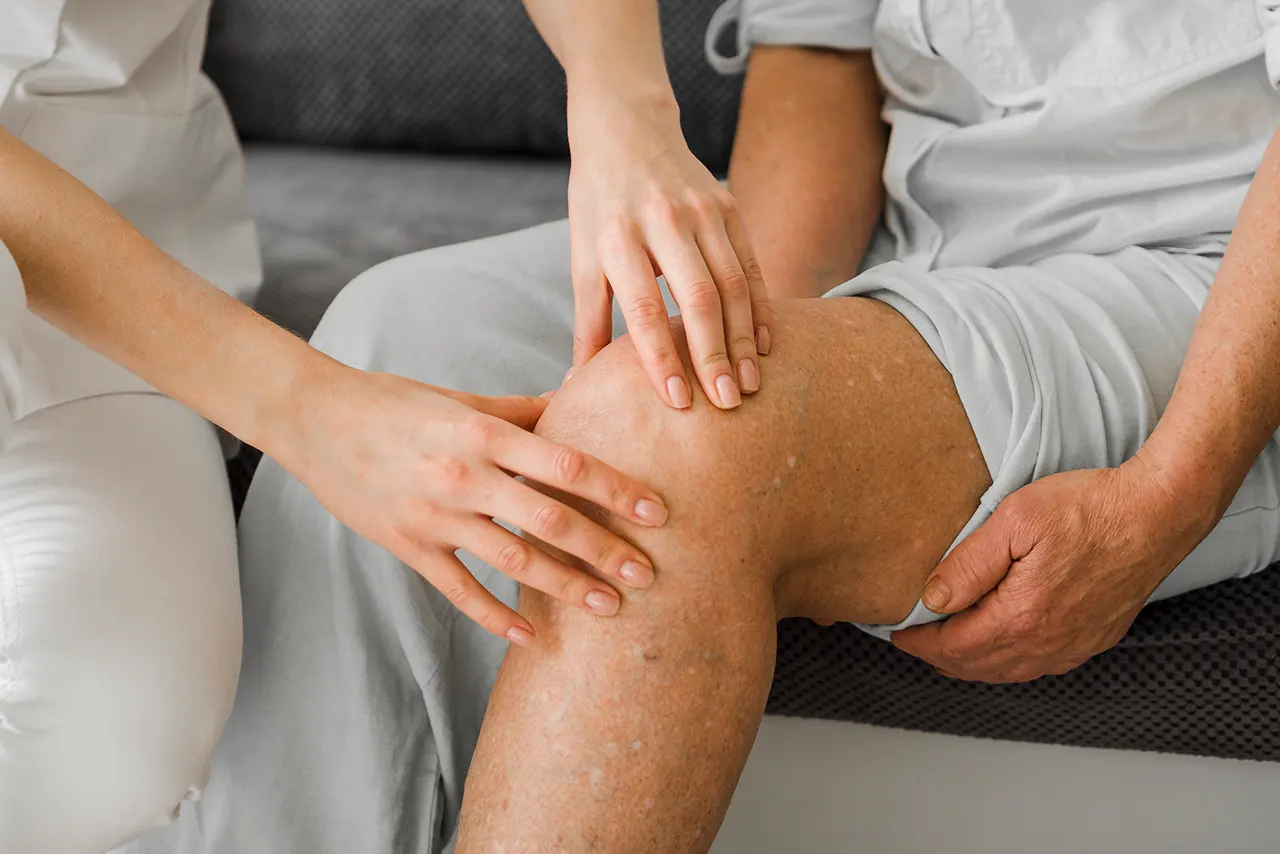
Treating the Source of Venous Symptoms
Venous disease occurs when veins have difficulty efficiently returning blood from the legs toward the heart. Weak or damaged valves can allow blood to flow backward and pool within the lower extremities.
Depending on the affected veins, symptoms can range from cosmetic concerns to persistent discomfort and more advanced skin or wound complications.
Advanced Vein Treatments
Treatment recommendations are based on symptoms, vein anatomy, diagnostic findings and your individual medical needs.
Specialized Care for Difficult-to-Heal Wounds
A wound that remains open or repeatedly returns often needs more than routine dressing changes. Successful treatment may require identifying circulation problems, infection, pressure, diabetes, swelling or unhealthy tissue that is delaying healing.
Our approach focuses on the wound itself and the medical factors influencing the body's ability to repair it.
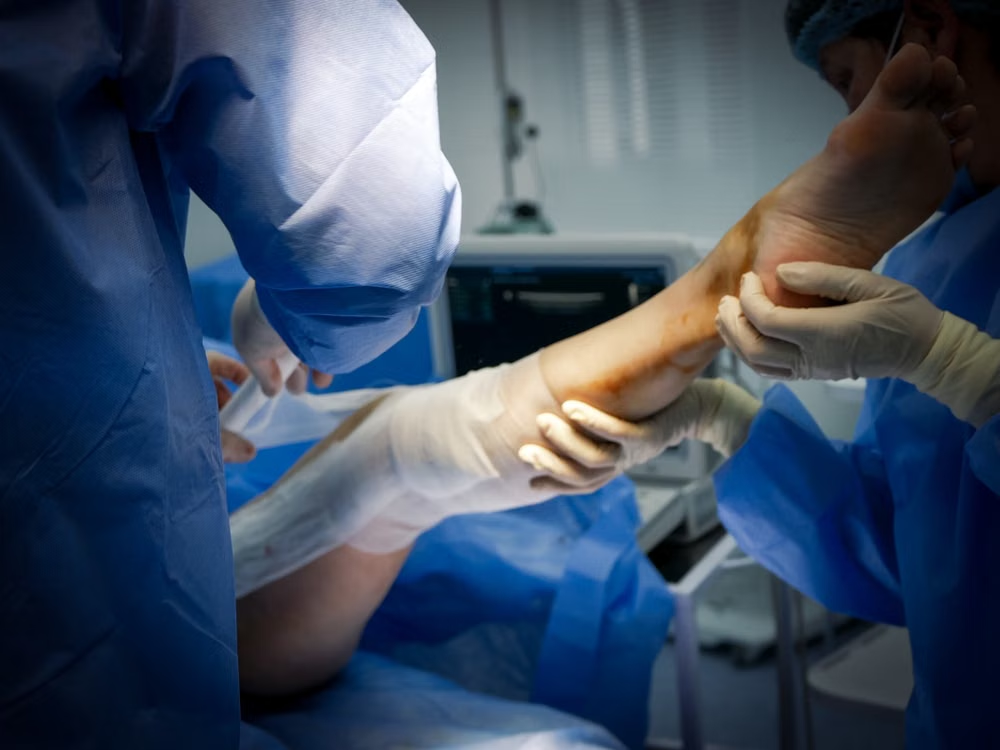
Helping Create the Right Environment for Healing
When standard wound care is not enough, additional therapies may be appropriate based on wound type, tissue condition and underlying health factors.
Debridement
Removal of dead or unhealthy tissue may help prepare the wound bed for healthier tissue development.
Learn About Debridement →Negative Pressure Therapy
Vacuum-assisted wound therapy may help selected wounds by managing drainage and supporting wound-bed development.
Learn About NPWT →Bioengineered Skin Grafts
Advanced biologic products may be considered for selected chronic wounds that remain difficult to heal.
Learn About Skin Grafts →Wound Biopsy
Selected non-healing or unusual wounds may require tissue sampling to help identify an underlying diagnosis.
Learn About Wound Biopsy →Circulation Matters in Wound Healing
Vein conditions and chronic wounds often overlap. Evaluating the vascular system can help determine whether inadequate arterial flow, venous hypertension or swelling is contributing to a wound that will not heal.
Evaluate
We begin by understanding symptoms, medical history, wound characteristics or visible vein concerns.
Diagnose
Diagnostic testing may be used to determine whether venous reflux, arterial disease or another condition is present.
Treat
A personalized treatment plan addresses the underlying condition rather than focusing only on visible symptoms.
Follow Up
Progress is monitored so treatment can be adjusted as symptoms improve or a wound moves through the healing process.
Vein & Wound Institute Beverly Hills
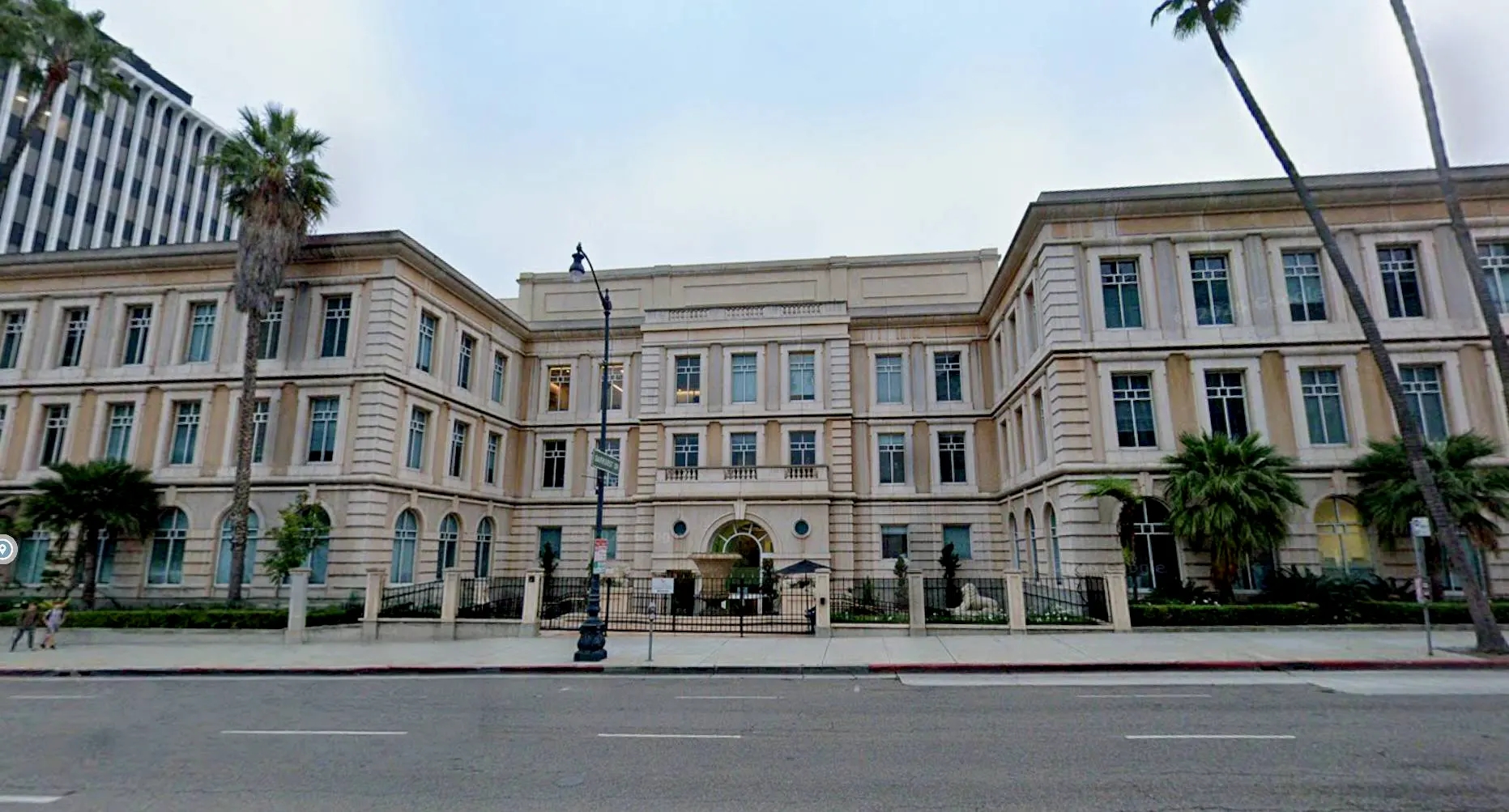
Conveniently located on Wilshire Boulevard, our Beverly Hills office provides access to specialized vein and wound care for patients throughout Beverly Hills and the surrounding Los Angeles area.
Why Choose Vein & Wound Institute?
Our goal is to make specialized vascular and wound care understandable, personalized and focused on the condition causing your symptoms.
Specialized Focus
Care focused on venous disease, circulation-related symptoms and acute or chronic wounds.
Diagnostic Approach
Testing helps identify underlying vein or circulation problems rather than treating symptoms in isolation.
Minimally Invasive Options
Modern vein treatments may allow appropriate patients to address venous disease without traditional vein surgery.
Individualized Care
Treatment plans are based on diagnosis, symptoms, health history and the specific needs of each patient.
Start With the Source of the Problem
Whether you are dealing with painful veins, persistent leg swelling, circulation concerns or a wound that is not healing, the first step is determining what is causing the problem.
Beverly Hills Vein & Wound FAQs
Where is Vein & Wound Institute in Beverly Hills?
The Beverly Hills office is located at 9150 Wilshire Blvd., Suite 205, Beverly Hills, CA 90212.
What vein conditions do you evaluate?
Vein & Wound Institute evaluates conditions and symptoms including varicose veins, spider veins, chronic venous insufficiency, leg swelling, aching or heavy legs, venous ulcers and other concerns related to venous disease.
What wound conditions do you treat?
Wound care may include evaluation and treatment of diabetic ulcers, venous leg ulcers, arterial ulcers, pressure injuries, post-surgical wounds, traumatic wounds, wound infections and other difficult-to-heal wounds.
Do you offer minimally invasive vein treatment?
Yes. Depending on diagnosis and vein anatomy, treatment options may include laser ablation, radiofrequency ablation, ClariVein, foam sclerotherapy, ambulatory phlebectomy, VenaSeal, Varithena and other minimally invasive treatments.
Do all non-healing wounds have a circulation problem?
No. Wounds can heal poorly for many reasons, including infection, diabetes, pressure, swelling and other medical conditions. However, arterial and venous circulation can play a major role in lower-extremity wound healing and may need to be evaluated.
How do I schedule an appointment at the Beverly Hills office?
You can request an appointment through the website or call Vein & Wound Institute at 310-402-2849.