
Radiofrequency Ablation
A minimally invasive, heat-based treatment that closes unhealthy veins and redirects blood flow through healthier vessels.
Radiofrequency Ablation (RFA) is an office-based treatment for chronic venous insufficiency and incompetent veins. Using ultrasound guidance, a thin catheter delivers controlled radiofrequency energy inside the affected vein, causing the vein wall to contract and seal closed.
Request an Appointment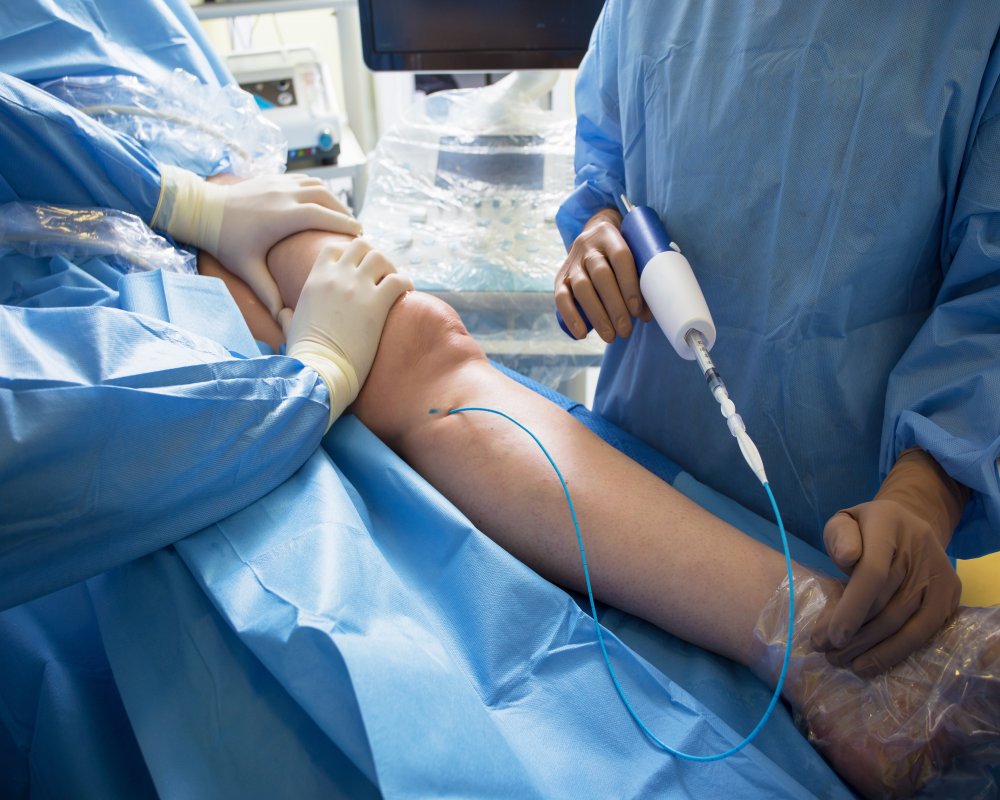
Closing the Problem Vein From Within
Rather than surgically removing a diseased vein, RFA treats it from the inside. Once the vein is closed, blood naturally reroutes through healthier veins and the treated vessel is gradually absorbed by the body.
Map the Vein
Ultrasound is used to identify the incompetent vein and guide treatment.
Place the Catheter
A thin catheter is inserted into the vein through a small skin access point.
Deliver RF Energy
Controlled heat is applied to the vein wall as the catheter treats the targeted segment.
Redirect Blood Flow
The sealed vein is bypassed as circulation shifts to healthy veins.
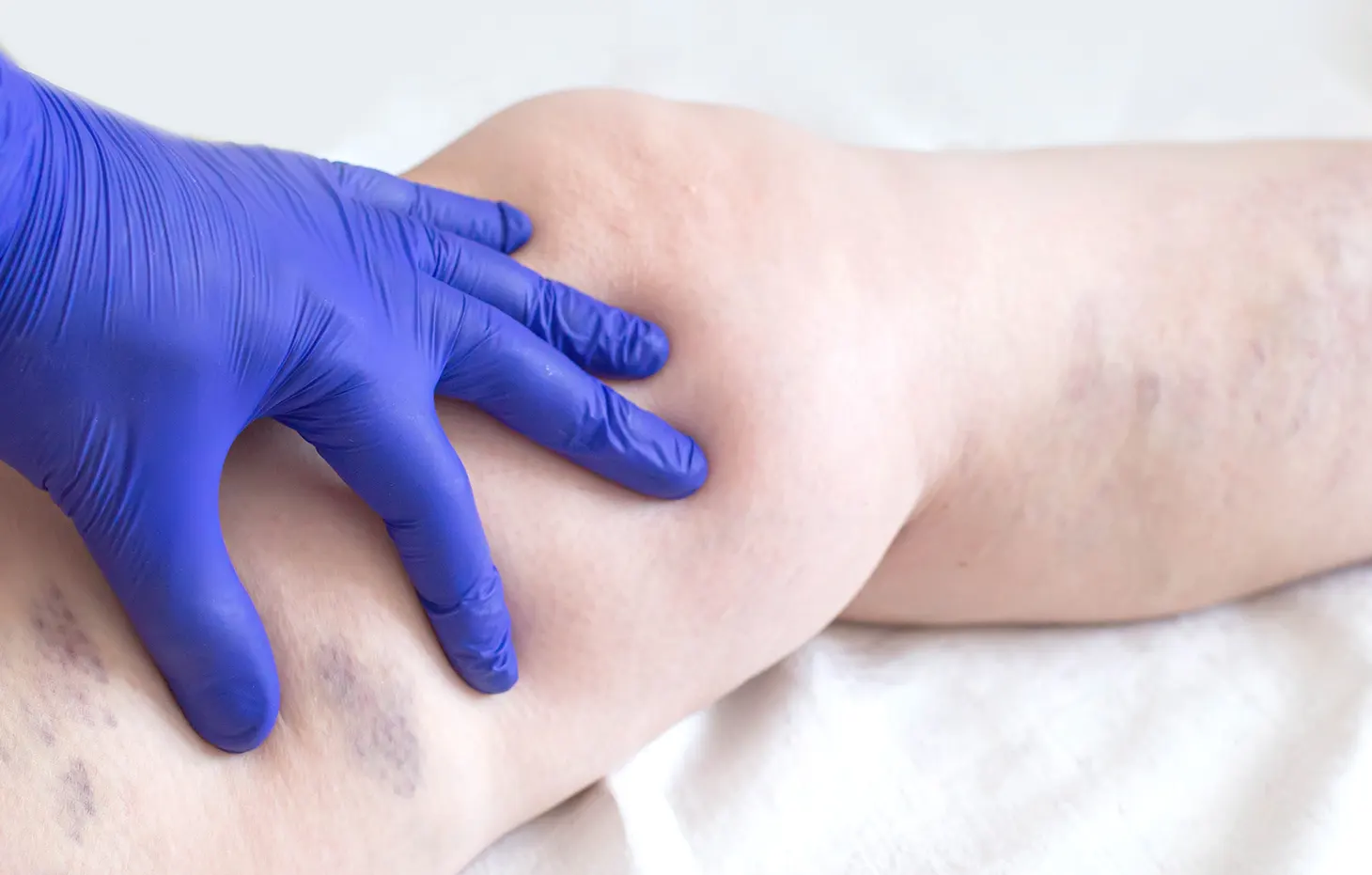
What to Expect During Radiofrequency Ablation
RFA is typically performed in the office with local anesthesia. Ultrasound helps the physician position the catheter within the affected vein before radiofrequency energy is delivered to seal it.
Treating the Source of Chronic Venous Insufficiency
Radiofrequency ablation may be recommended when ultrasound identifies reflux in a superficial vein that is contributing to symptoms or visible varicose veins. Treatment is selected after a vascular evaluation and diagnostic ultrasound.
A Modern Alternative to Vein Stripping
Small Access Point
No traditional surgical incision is needed to remove the treated vein.
Minimal Downtime
Recovery is generally short, with walking encouraged after treatment.
Ultrasound Guided
Imaging is used to precisely guide catheter placement and treatment.
Local Anesthesia
The procedure is commonly performed without general anesthesia.
Recovery Is Typically Short
Patients can generally walk after radiofrequency ablation and return to many normal activities quickly. Compression stockings may be recommended for a week or longer, and a follow-up ultrasound is scheduled to verify that the treated vein has closed.
What Patients Ask About Radiofrequency Ablation
What is radiofrequency ablation for veins?
Radiofrequency ablation is a minimally invasive treatment for chronic venous insufficiency. A thin catheter delivers controlled radiofrequency heat inside an incompetent vein, causing the vein to close so blood can reroute through healthier vessels.
How is radiofrequency ablation different from laser ablation?
Both treatments use thermal energy to close an unhealthy vein. Radiofrequency ablation uses radiofrequency energy, while endovenous laser ablation uses laser energy. Your vein specialist can determine which approach is appropriate based on your anatomy and ultrasound findings.
Is radiofrequency ablation painful?
The procedure is typically performed using local anesthesia to numb the treatment area. Patients may feel pressure or brief sensations during treatment, but the goal is to keep the procedure comfortable.
Can I walk after radiofrequency ablation?
Yes. Patients are generally encouraged to walk after the procedure, and recovery time is typically short. Your provider will give you specific instructions about activity after treatment.
Will I need compression stockings after treatment?
Compression stockings may be recommended for one week or longer after radiofrequency ablation. Your provider will give you instructions based on your treatment and individual needs.
How do you know the treated vein has closed?
A follow-up duplex ultrasound is typically scheduled after treatment to evaluate the treated vein and confirm closure.