
Advanced Wound Care
Pressure Wound Therapy
Negative Pressure Wound Therapy uses controlled suction and a specialized sealed dressing to support healing in complex acute and chronic wounds.
Also called vacuum-assisted closure or VAC therapy, negative pressure wound therapy (NPWT) helps manage wound drainage while creating an environment that can encourage healthy tissue growth and support the wound-healing process.
Schedule an Appointment →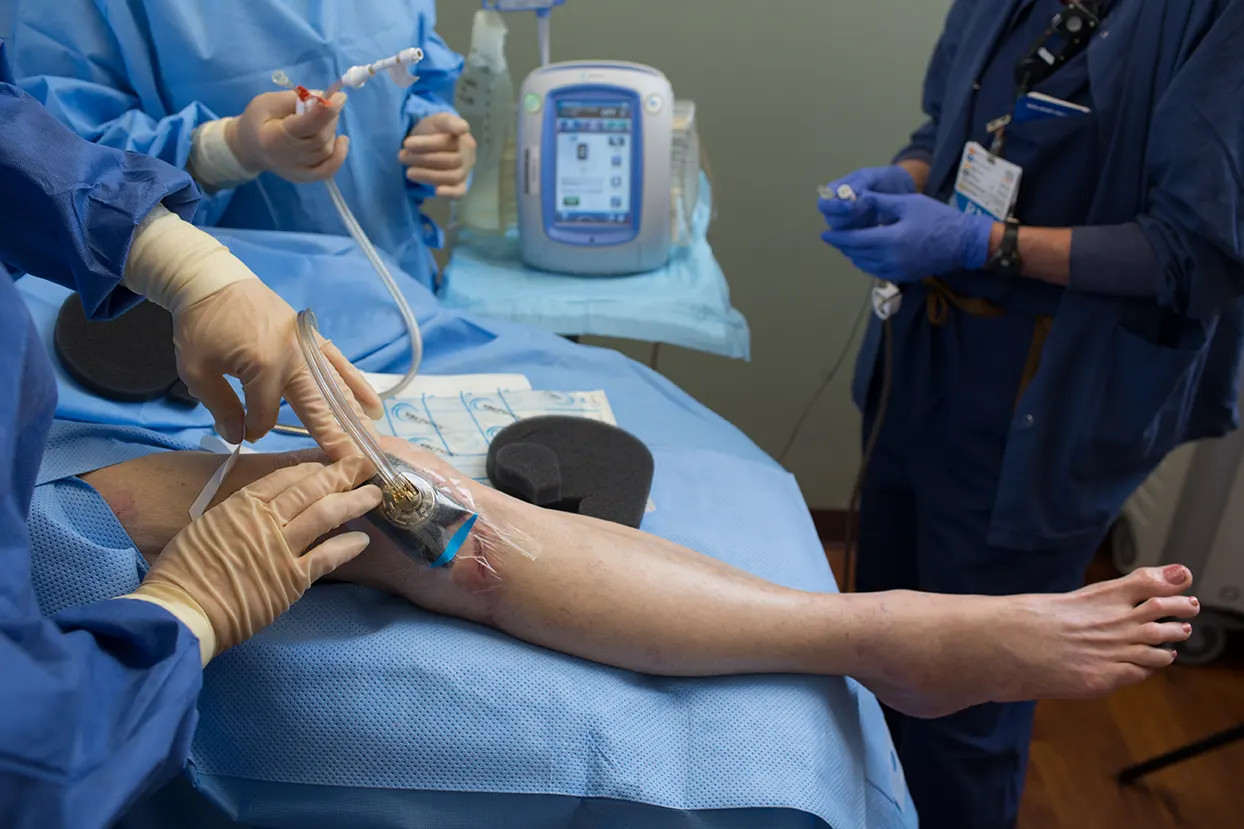
How NPWT Helps
Creating a Better Environment for Wound Healing
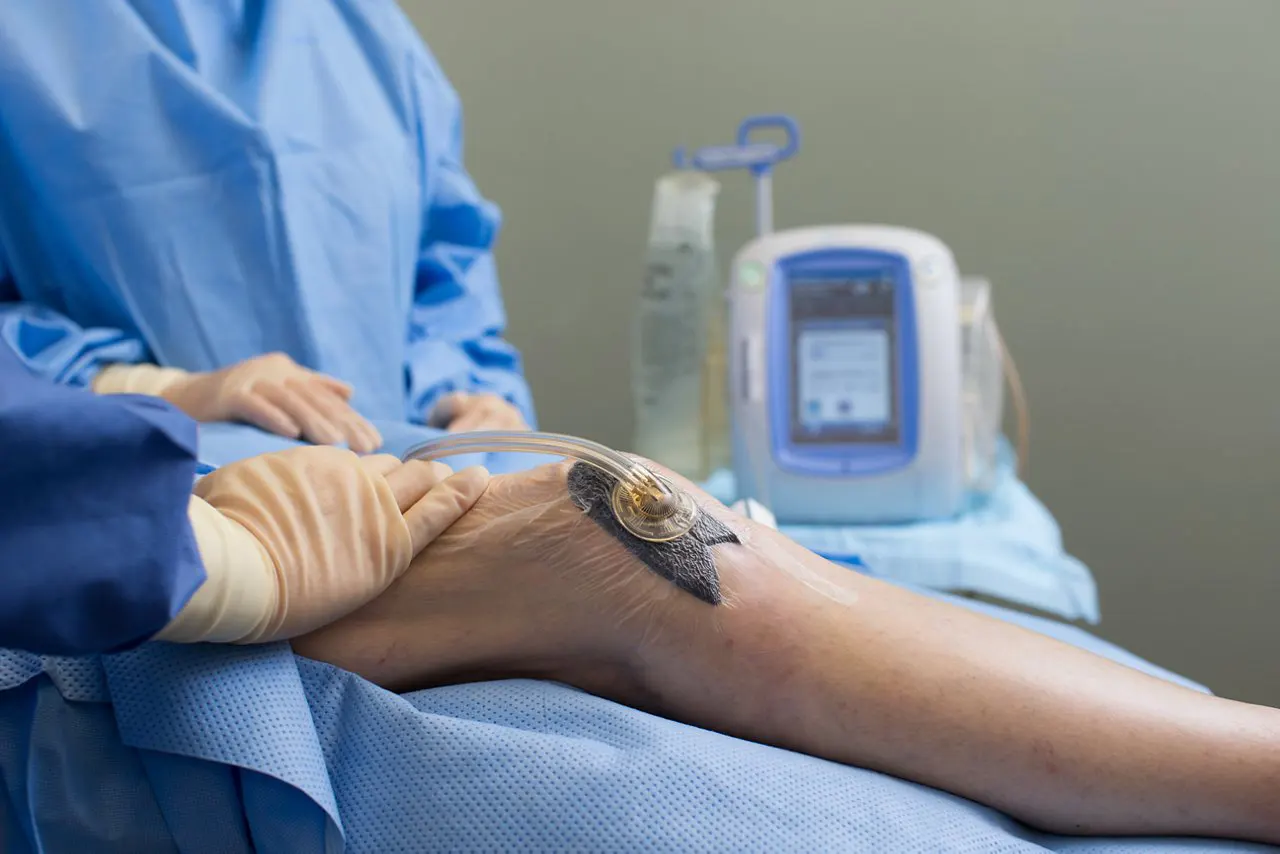
NPWT applies continuous or intermittent suction through a sealed wound dressing. The therapy can help remove excess fluid, protect the wound environment and promote the development of healthy granulation tissue.
Manages Drainage
Suction draws excess wound fluid into a collection system, helping keep the treatment area controlled.
Supports Healthy Tissue
Negative pressure can encourage granulation tissue formation as the wound progresses toward closure.
Sealed Wound Environment
An occlusive dressing creates a protected environment around the wound while therapy is delivered.
Customized Therapy
Pressure settings and treatment schedules can be adjusted according to the wound and the patient's needs.
Who May Benefit
Used for Many Complex Wound Types
Negative pressure wound therapy may be considered when a wound requires more advanced management than a conventional dressing alone. The wound and the patient's overall health should be evaluated before treatment begins.
NPWT may be combined with debridement, infection management, nutritional support, vascular care and other therapies depending on why the wound is not healing.
Treatment Process
How Negative Pressure Wound Therapy Works
The dressing system is carefully fitted to the wound and connected to a pump that delivers prescribed negative pressure.
Prepare the Wound
The wound is evaluated and cleaned. Debridement may be performed when clinically appropriate.
Apply the Dressing
Specialized foam or another appropriate wound-contact material is fitted to the treatment area.
Create the Seal
An occlusive film covers the dressing to form an airtight seal, and tubing connects it to the pump.
Deliver Suction
The pump applies continuous or intermittent negative pressure while drainage moves into a collection system.
Ongoing Care
Dressing Changes & Follow-Up
NPWT requires regular wound reassessment. Dressing-change frequency depends on the wound, drainage, infection risk and the specific system being used.
A wound-care specialist should evaluate the wound for factors such as necrotic tissue, untreated infection, exposed vulnerable structures, bleeding risk or other conditions that may affect whether negative pressure therapy is appropriate.
Frequently Asked Questions
Pressure Wound Therapy FAQs
What is negative pressure wound therapy?
Negative pressure wound therapy, also called NPWT or vacuum-assisted closure therapy, uses a sealed wound dressing connected to a pump that applies controlled suction to the wound.
What types of wounds can NPWT be used to treat?
Depending on the patient and wound, NPWT may be used for venous ulcers, pressure ulcers, diabetic ulcers, arterial ulcers, chronic wounds, surgical wounds, selected acute wounds, burns and wounds with significant drainage.
How does pressure wound therapy help a wound heal?
The therapy can remove excess wound fluid, support granulation tissue formation and maintain a protected sealed environment while the wound progresses through healing.
Does a wound VAC hurt?
Patients may notice a pulling sensation when suction begins. Discomfort can also occur during dressing changes, so the care team may recommend pain-management measures when appropriate.
How often is the dressing changed?
Dressing-change frequency varies according to the wound and the system being used. The treatment plan is individualized and the wound is reassessed regularly during therapy.
Can negative pressure wound therapy be used at home?
In selected patients who are medically stable, portable NPWT systems may allow therapy to continue at home with appropriate training, monitoring and follow-up from the wound-care team.