
Traumatic Wounds
Traumatic wounds are injuries to the skin and underlying tissues caused by an accident, impact, cut, puncture, fall or other external force.
Some injuries heal normally with basic wound care, while others can become difficult to heal because of tissue loss, contamination, infection, poor circulation or underlying medical conditions.
When a traumatic wound is deep, complex or not progressing as expected, specialized wound care can help evaluate the injury and create a treatment plan focused on protecting healthy tissue and supporting healing.
Schedule a Wound Evaluation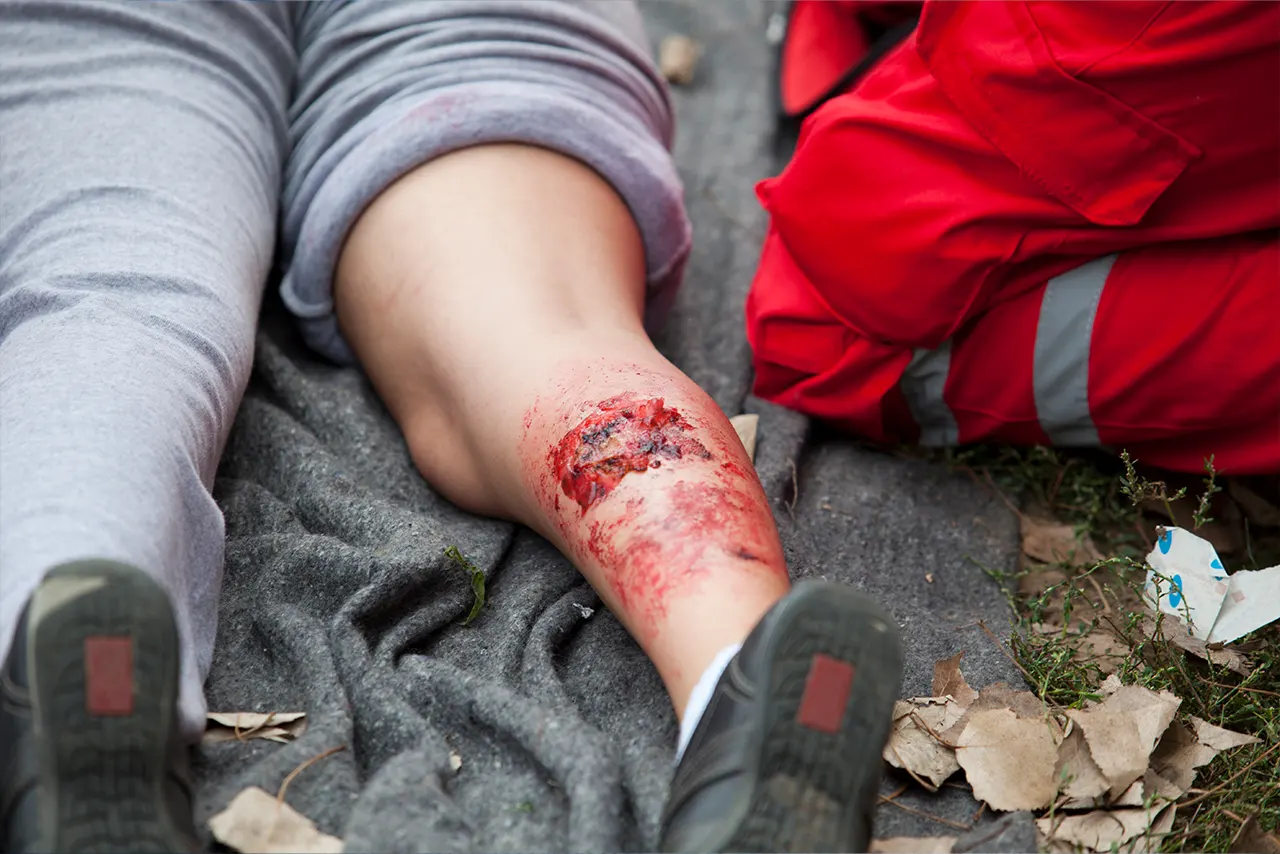
Different Injuries Require Different Care
Traumatic wounds can vary greatly in depth, contamination, tissue damage and risk of complications. Understanding how the injury occurred helps guide treatment.
Lacerations
Cuts or tears in the skin may range from superficial injuries to deeper wounds involving underlying tissue.
Abrasions
Scrapes can remove layers of skin and may contain dirt, debris or other contaminants that need to be thoroughly cleaned.
Puncture Wounds
Small surface openings can extend deeply beneath the skin and may carry bacteria or foreign material into the wound.
Avulsion Injuries
Skin or tissue may be partially or completely pulled away from the body, creating a more complex wound.
Crush Injuries
Strong pressure or impact can damage skin, muscle and other tissues even when the surface wound initially appears limited.
Skin Tears
Fragile skin may tear after relatively minor trauma, particularly in older adults or patients with delicate skin.
Animal or Human Bites
Bite wounds may carry a significant risk of bacterial contamination and require prompt medical evaluation.
Complex Tissue Loss
Some injuries remove or severely damage skin and soft tissue, leaving an open wound that requires advanced management.
Looking Beyond the Surface
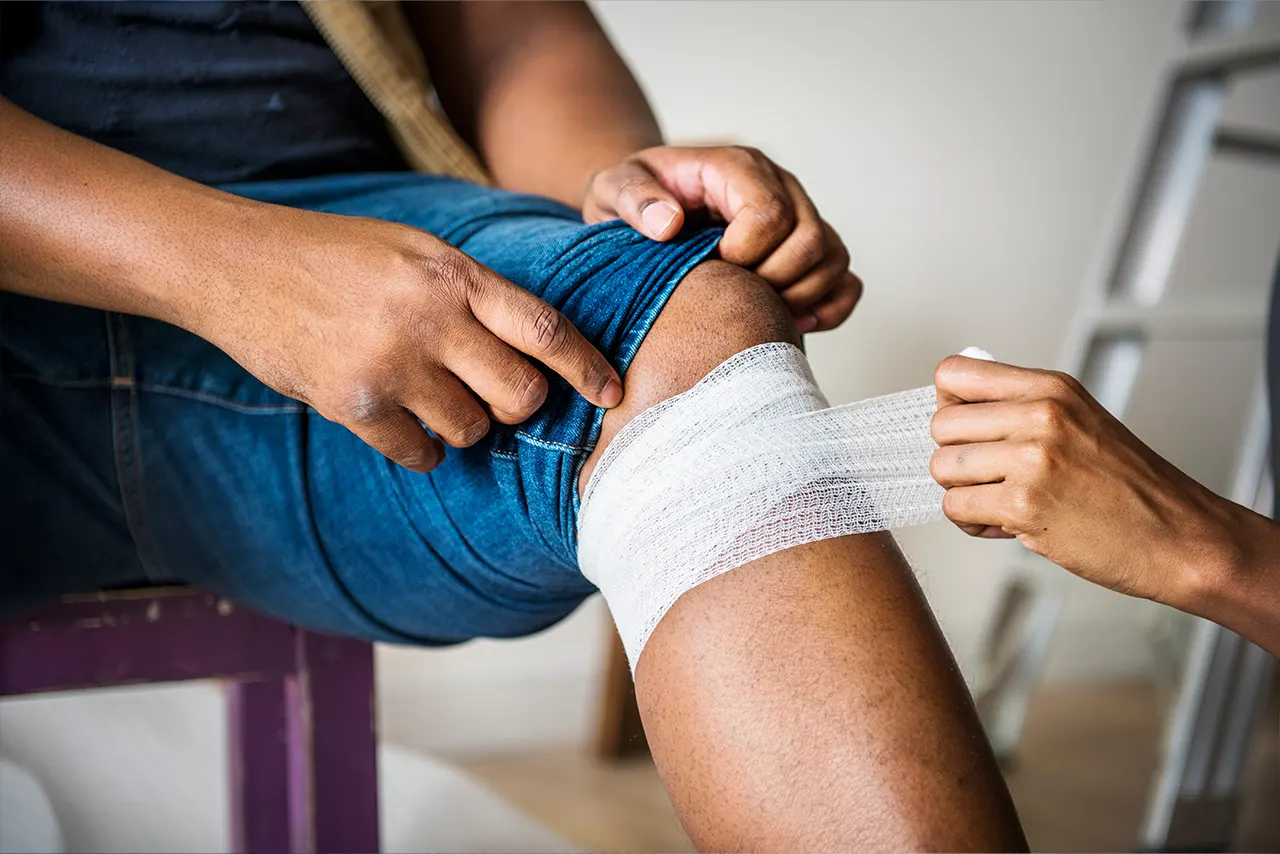
A traumatic wound may involve deeper structures that cannot be fully assessed by appearance alone. Evaluation focuses on the extent of tissue damage and any factors that may increase the risk of delayed healing.
Why Some Traumatic Wounds Heal Slowly
The body has a natural process for repairing damaged tissue, but certain factors can interrupt or delay that process.
Infection
Bacteria within the wound can increase inflammation, damage healthy tissue and interfere with normal healing.
Poor Circulation
Reduced blood flow limits the oxygen and nutrients needed to rebuild injured tissue.
Dead Tissue
Necrotic or unhealthy tissue can prevent the wound bed from progressing normally and may need to be removed.
Foreign Material
Dirt, gravel, glass or other debris can remain within traumatic wounds and contribute to inflammation or infection.
Diabetes
Diabetes may affect circulation, immune response and sensation, increasing the risk of delayed wound healing.
Repeated Trauma
Continued pressure, friction or repeated injury can prevent fragile new tissue from becoming established.
Smoking
Tobacco use can reduce oxygen delivery to tissues and interfere with wound repair.
Nutrition
Protein, calories, vitamins and minerals are necessary for the body to rebuild damaged tissue effectively.
Creating the Right Treatment Plan
Specialized traumatic wound care focuses on the condition of the wound as well as the medical factors that can influence healing.
Assess the Injury
The wound is evaluated for depth, tissue damage, drainage, contamination and the health of surrounding skin.
Clean the Wound
Contaminants, debris and foreign material may need to be removed to reduce complications and prepare the wound for healing.
Check Circulation
Vascular testing may be appropriate if poor blood supply could be limiting the body's ability to repair the injury.
Build a Care Plan
Dressings, debridement and other therapies are selected based on the individual wound and patient needs.
Supporting the Wound Through Healing
Treatment depends on the type and severity of the injury. The goal is to protect viable tissue, remove barriers to healing and maintain an environment that supports repair.
Treatment is individualized. A superficial abrasion may require simple wound protection, while a deep traumatic injury can require debridement, advanced dressings or other specialized therapies.
When a Traumatic Wound Becomes Difficult to Heal
Wounds that remain open or fail to show expected progress may need additional therapies to address unhealthy tissue, drainage or other barriers to healing.
Debridement
Damaged or dead tissue may be removed to help create a cleaner wound bed capable of supporting new tissue growth.
Advanced Dressings
Specialized dressings can help control drainage, maintain moisture balance and protect the wound from additional trauma.
Negative Pressure Therapy
Selected deeper wounds may benefit from negative pressure wound therapy to manage drainage and support wound-bed development.
Bioengineered Skin Products
Advanced biologic products may be considered for selected difficult-to-heal wounds when clinically appropriate.
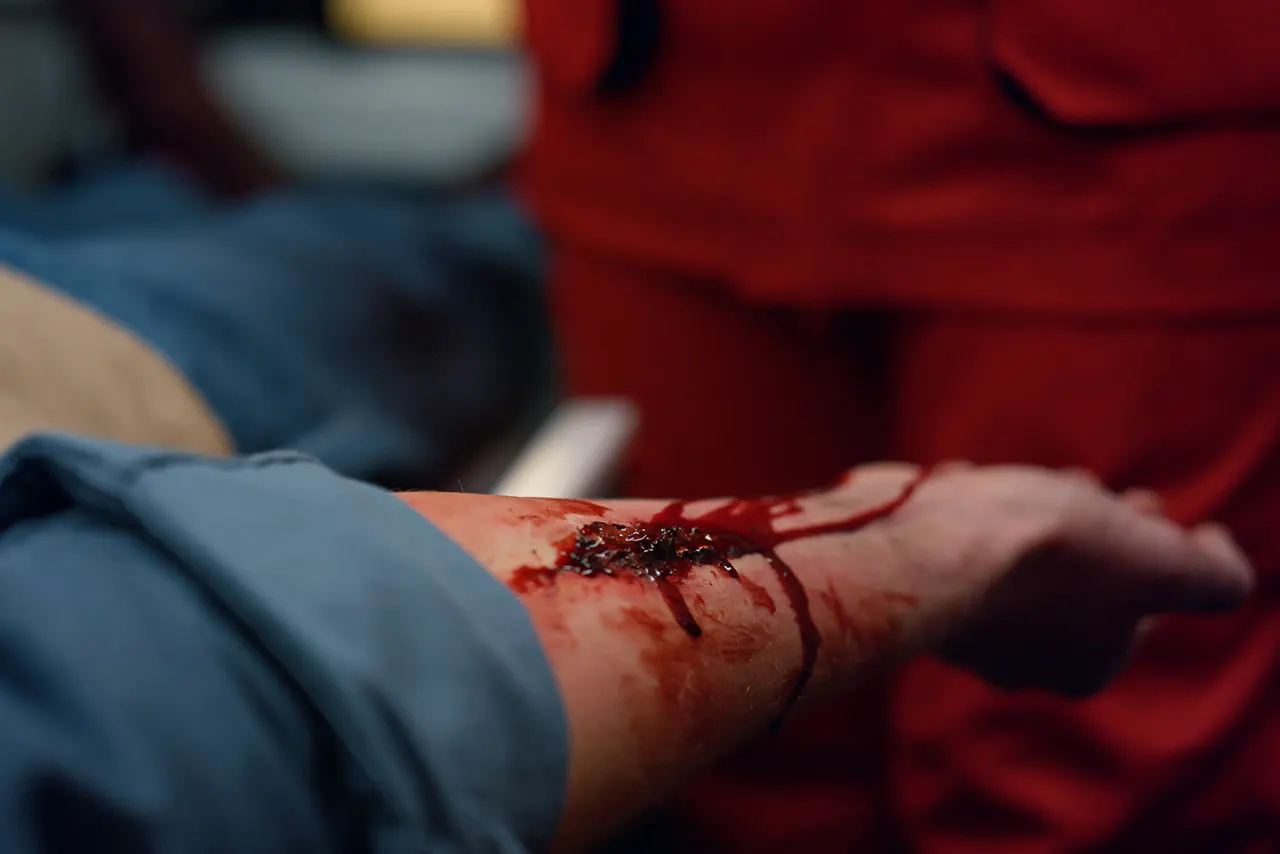
Traumatic Wounds Can Become Contaminated
Because traumatic injuries often occur outside a controlled medical environment, dirt and bacteria may be introduced into the wound at the time of injury.
Increasing Redness
Redness that expands beyond the wound edges may indicate developing inflammation or infection.
Warmth & Swelling
Increasing warmth or swelling around the injury can be a sign that the wound should be reevaluated.
Drainage or Odor
New cloudy drainage, pus or foul odor can occur when a wound becomes infected.
Fever or Chills
Systemic symptoms can indicate a more serious infection and require prompt medical evaluation.
Seek prompt medical care for spreading redness, increasing pain, fever, pus, foul-smelling drainage or a wound that is rapidly worsening.
Some Traumatic Wounds Need Immediate Care
Specialized outpatient wound care is appropriate for many difficult-to-heal injuries, but severe acute trauma may require emergency treatment first.
Uncontrolled Bleeding
Heavy bleeding that does not stop with direct pressure requires immediate emergency medical attention.
Deep Penetrating Injury
Deep puncture or penetrating wounds may involve blood vessels, organs, nerves or other structures that require urgent evaluation.
Loss of Function
New numbness, weakness or inability to move part of the injured area may indicate nerve, tendon or deeper tissue damage.
Severe Tissue Damage
Major crush injuries, large areas of tissue loss or exposed bone require immediate medical evaluation.
Call emergency services or seek emergency care for uncontrolled bleeding, major trauma, severe crush injuries, exposed bone, loss of sensation or movement, or other potentially life-threatening injuries.
Monitoring a Traumatic Wound Over Time
Wounds can change as they heal. Follow-up care allows the treatment plan to be adjusted as tissue improves, drainage changes or new concerns develop.
Measure Progress
Changes in wound size, depth and tissue quality can help determine whether healing is moving in the right direction.
Adjust Dressings
Wound products may be changed as the amount of drainage and condition of the wound bed evolve.
Manage Underlying Conditions
Circulation problems, diabetes and other medical issues may need treatment alongside local wound care.
Protect New Tissue
Freshly healed tissue can remain fragile and may require continued protection from pressure, friction or repeated injury.
Traumatic Wound FAQs
What is a traumatic wound?
A traumatic wound is an injury to the skin or underlying tissue caused by an external force such as a cut, fall, puncture, impact, crush injury, abrasion or other accident.
What types of traumatic wounds do wound-care specialists treat?
Traumatic wounds may include lacerations, abrasions, punctures, skin tears, avulsions, crush injuries and other injuries that remain open or become difficult to heal.
Why would a traumatic wound not heal?
Healing may be delayed by infection, poor circulation, diabetes, dead tissue, retained debris, repeated trauma, smoking, poor nutrition or other medical factors.
How are traumatic wounds treated?
Treatment may include wound cleansing, specialized dressings, removal of debris, debridement, infection management, pressure protection and advanced wound therapies when appropriate.
When should I worry about infection?
Increasing redness, warmth, swelling, worsening pain, pus, foul odor, fever or rapidly worsening tissue can indicate infection and should be medically evaluated.
When does a traumatic wound require emergency care?
Emergency evaluation is appropriate for uncontrolled bleeding, major tissue loss, severe crush injuries, exposed bone, loss of movement or sensation, deep penetrating injuries or other severe trauma.