Varicose Vein Treatment
Modern evaluation and minimally invasive treatment for enlarged, twisted veins that may cause aching, heaviness, swelling and visible changes in the legs.
Varicose veins are more than a cosmetic concern. They can develop when valves inside the veins become weakened or damaged, allowing blood to pool and increasing pressure within the vein. At Vein & Wound Institute, treatment begins by identifying the underlying source of the problem and creating a plan tailored to your circulation, symptoms and goals.
Schedule a Consultation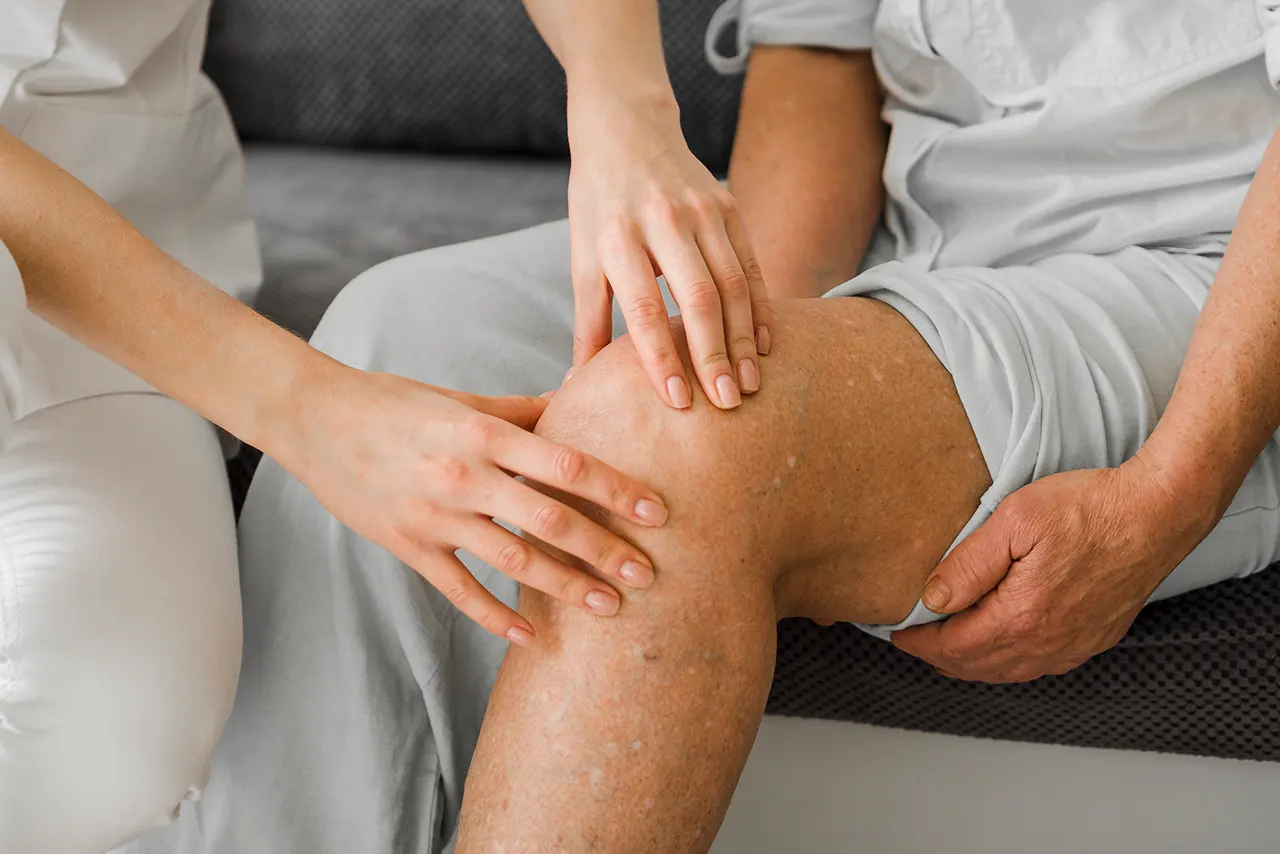
Why Varicose Veins Develop
Healthy leg veins rely on one-way valves to move blood back toward the heart. When these valves do not close properly, blood can flow backward and collect in the vein. Over time, increased venous pressure can cause veins to enlarge, twist and become visible beneath the skin.
Weakened Valves
Damaged or weakened vein valves can allow blood to reflux backward instead of moving efficiently toward the heart.
Venous Pressure
Blood pooling in the lower legs increases pressure inside the veins and may cause them to stretch and become prominent.
Family History
Genetics can play an important role, and varicose veins often occur more frequently in people with a family history of vein disease.
Prolonged Standing
Long periods of standing or sitting may increase pressure in the leg veins and contribute to symptoms in susceptible patients.
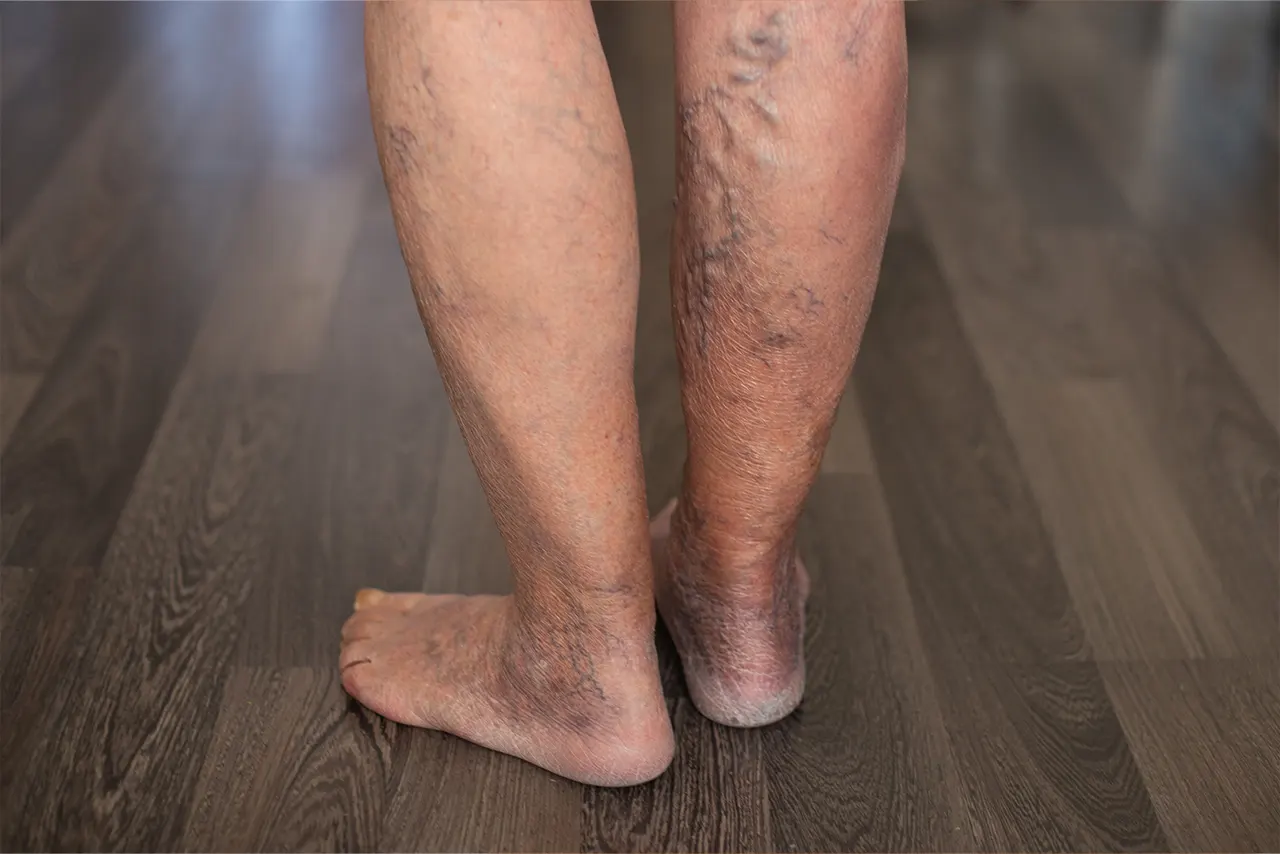
More Than Visible Veins
Some people notice only enlarged or discolored veins, while others experience symptoms that become worse after long periods of sitting or standing.
Advanced venous disease can contribute to skin changes and venous ulcers. Persistent symptoms or non-healing wounds should be evaluated by a vein specialist.
Personalized Varicose Vein Care
The right treatment depends on which veins are affected, the severity of venous reflux and your symptoms. Diagnostic ultrasound may be used to map the veins and identify the underlying source before treatment.
Compression Therapy
Medical-grade compression can support circulation and help reduce aching, swelling and pressure in the legs.
Learn About Compression Therapy →Sclerotherapy
A medication is injected into selected abnormal veins, causing them to close so blood can redirect through healthier vessels.
Learn About Sclerotherapy →Radiofrequency Ablation
Controlled radiofrequency energy closes a diseased vein through a small catheter, typically as an office-based procedure.
Learn About RFA →Laser Ablation
Endovenous laser energy can close an incompetent vein and redirect circulation without traditional vein stripping surgery.
Learn About Laser Ablation →Treating the Source, Not Just the Surface
Visible varicose veins can sometimes be the outward sign of chronic venous insufficiency deeper in the leg. Treating only the vein you can see may not address the underlying reflux that is creating excessive pressure.
Our approach focuses on identifying the affected vein pathways, understanding your symptoms and selecting the least invasive treatment appropriate for your condition.
Varicose Vein FAQs
What causes varicose veins?
Varicose veins commonly develop when valves inside the leg veins become weakened or damaged. This can allow blood to flow backward and pool, increasing pressure and causing the vein to enlarge and twist.
Are varicose veins only a cosmetic problem?
No. Although visible veins can be a cosmetic concern, varicose veins may also be associated with aching, heaviness, swelling, itching, skin changes and other signs of chronic venous disease.
How are varicose veins diagnosed?
Diagnosis begins with a medical history and physical examination. A duplex ultrasound may also be used to evaluate blood flow, vein valves and areas of venous reflux.
What treatments are available for varicose veins?
Depending on the condition, treatment may include compression therapy, sclerotherapy, radiofrequency ablation, laser ablation, ambulatory phlebectomy or other minimally invasive vein procedures.
Do varicose vein treatments require surgery?
Many modern vein treatments are minimally invasive and performed in an office setting using small needles or catheters rather than traditional vein stripping surgery.
When should I see a vein specialist?
Consider an evaluation if you have persistent leg pain, heaviness, swelling, prominent veins, skin discoloration or a wound that is slow to heal, especially if symptoms worsen after prolonged standing or sitting.