
Could a “phone vibrating” feeling in your legs come from something other than restless legs syndrome? Buzzing, trembling, tingling, humming, or crawling sensations can arise from nerves, muscles, medication effects, lymphatic dysfunction, or circulation problems. The sensation alone doesn't identify the cause.
Start by noticing when it happens, whether it affects one or both legs, what makes it better or worse, and whether swelling, skin changes, weakness, numbness, or an open wound is present. Symptoms that intensify during rest and improve with movement suggest a different pattern from persistent numbness, localized twitching, or swelling that worsens after standing.
This guide compares eight possible causes of a vibrating sensation in legs, explains the clues that help separate them, and connects those clues to appropriate testing and treatment. Sudden weakness, severe pain, marked swelling, a major skin-color change, or signs of infection require prompt medical evaluation rather than self-treatment.
Table of Contents
- 1. Restless Legs Syndrome
- 2. Chronic Venous Insufficiency and Venous Reflux
- 3. Peripheral Neuropathy
- 4. Muscle Strain or Overuse Injury
- 5. Venous Leg Ulcers and Tissue Inflammation
- 6. Diabetic Foot and Leg Complications
- 7. Lymphedema and Lymphatic Dysfunction
- 8. Medication Side Effects and Electrolyte Imbalances
- Vibrating Leg Sensation: 8-Condition Comparison
- Choose the Right Next Step for Leg Vibrations
1. Restless Legs Syndrome
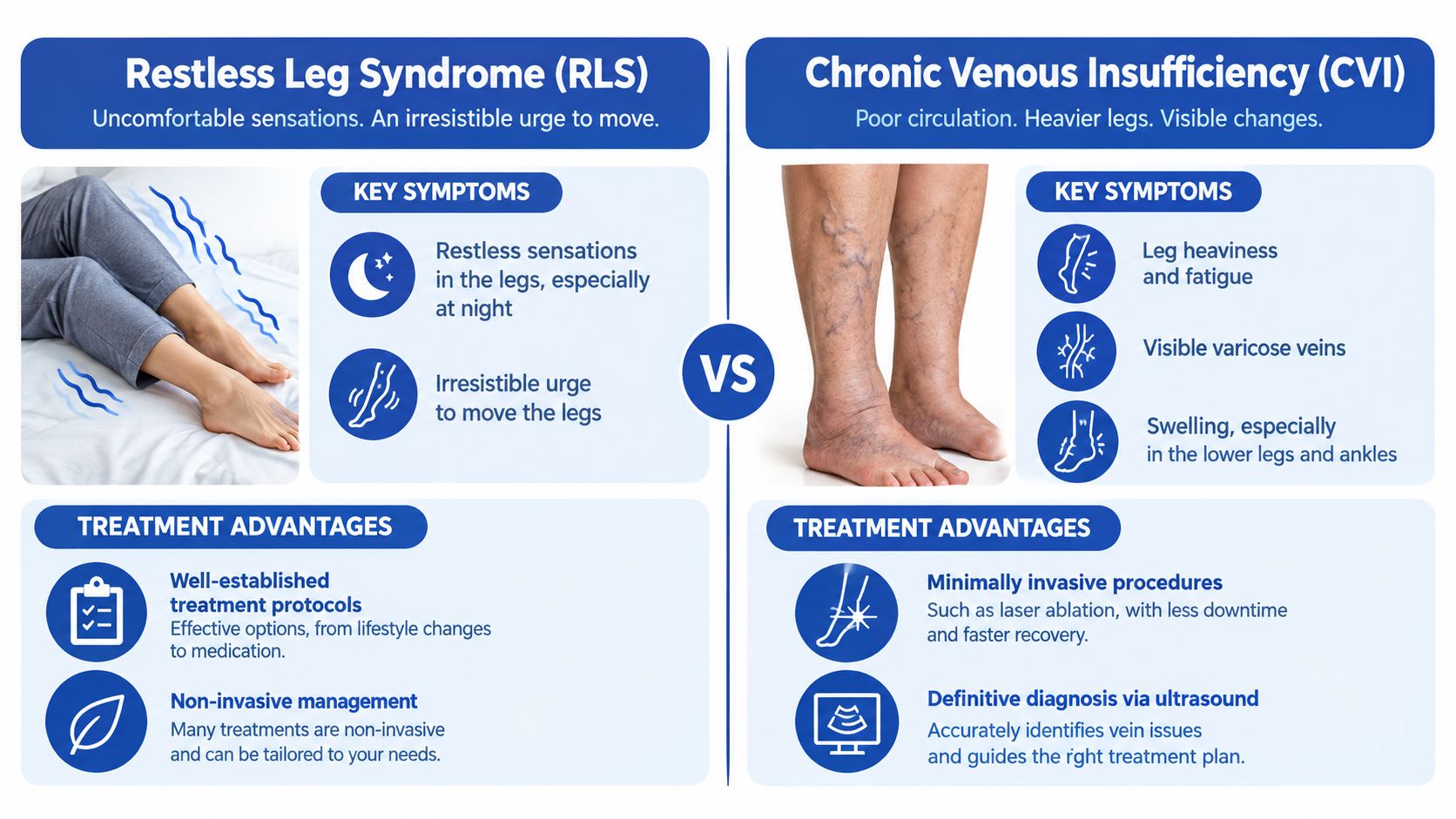
Could a vibrating sensation in your legs reflect restless legs syndrome, or does it follow a different pattern? Restless legs syndrome, or RLS, is a neurological movement disorder in which an uncomfortable sensation creates an irresistible urge to move. People may describe it as vibrating, crawling, creeping, throbbing, or aching. The timing and response to movement are more informative than the exact word used.
RLS typically appears or becomes stronger during inactivity, especially in the evening or at night. Walking, stretching, or moving the legs often brings temporary relief. For example, buzzing that starts after lying down and eases during a short walk fits an RLS-like pattern. Constant numbness, progressive weakness, or a clearly swollen area suggests that clinicians should assess other causes as well.
RLS was first described in 1945 and is recognized as a common sensorimotor disorder. Reviews estimate that it affects roughly 3.9% to 15% of the general population. One review estimates that about 8% of U.S. adults experience symptoms in a given year, while about 3% have moderately or severely distressing symptoms at least twice weekly. These figures describe RLS in clinical literature, not every possible cause of leg vibration. More than 80% of people with RLS also experience periodic leg movements during sleep, linking the sensation to a broader sleep-related movement pattern. (Sleep)
Clues that support RLS
- Timing: Does the sensation begin or intensify while sitting, resting, or preparing for sleep?
- Movement response: Does walking, stretching, or moving the legs reduce it?
- Distribution: Are both legs involved, even if one side feels stronger?
- Sleep impact: Does it delay sleep or repeatedly bring you out of bed?
The sensation may occur alone or alongside another condition. Iron deficiency, kidney disease, pregnancy, and certain medicines can contribute to secondary RLS symptoms. An evaluation may therefore include a medication review, medical history, iron studies, and kidney-function testing.
Practical rule: Evening symptoms that worsen during rest and improve with movement support an RLS assessment. Swelling, skin changes, wounds, or persistent sensory loss call for a broader evaluation.
Regular movement may help some people manage symptoms, and restless legs and exercise can be a useful topic to discuss with a clinician. If the pattern remains uncertain, neurological assessment can help. Vascular testing may also be appropriate when visible vein changes, swelling, or wound-related concerns occur alongside the vibrating sensation.
2. Chronic Venous Insufficiency and Venous Reflux
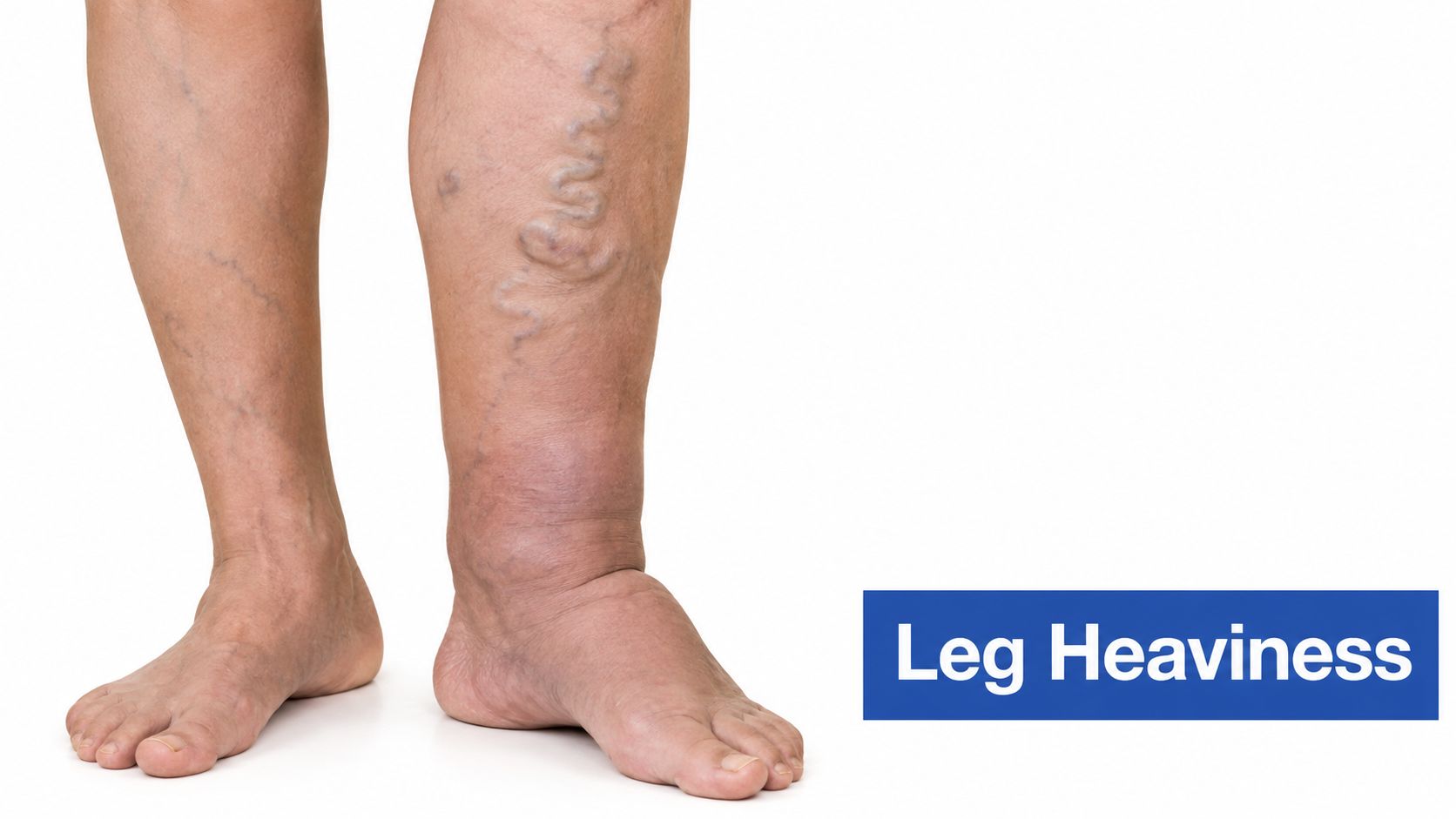
Chronic venous insufficiency develops when leg veins and their valves don't return blood efficiently toward the heart. Blood can pool in the lower legs, especially after prolonged standing or sitting. The resulting pressure and tissue changes may feel like heaviness, aching, throbbing, tingling, or a vibrating sensation.
The visible clues can be important. Varicose veins, ankle swelling, darkened or thickened skin, and symptoms that worsen later in the day make a venous cause more likely. Unlike classic RLS, venous symptoms don't necessarily create an irresistible urge to move, and walking may help because the calf muscles assist venous return, not because movement directly interrupts a neurological urge.
Venous disease and RLS can overlap. In a duplex-ultrasound study of 207 patients, 67.6% reported RLS symptoms. Among people with superficial venous reflux, 78.8% reported RLS symptoms, compared with 45.7% without duplex-proven venous disease. Among those with both deep and superficial reflux, the figure was 83.7%. (Study of venous reflux and RLS)
How clinicians investigate reflux
A clinician may ask about family history, prior clots, standing-related symptoms, pregnancies, previous vein procedures, and wounds around the ankle. A duplex ultrasound can map blood flow, identify reflux, and show whether superficial or deep veins are involved.
Treatment depends on the findings. Compression, leg elevation, regular walking, and reducing long periods of immobility may support symptom control. When reflux is clinically significant, a vein specialist may discuss minimally invasive options such as endovenous laser ablation, radiofrequency ablation, VenaSeal, Varithena, ClariVein, foam sclerotherapy, or ambulatory phlebectomy.
For a practical overview of warning signs and evaluation, see how to spot venous insufficiency and visit a vein treatment center.
A vibrating sensation with swelling or visible vein changes shouldn't automatically be labeled RLS. The circulation pattern may need its own assessment.
3. Peripheral Neuropathy
Peripheral neuropathy changes how nerves carry sensory and movement signals between the spinal cord, brain, and limbs. Affected people may notice buzzing, tingling, burning, electric sensations, numbness, imbalance, or weakness. The sensation may persist regardless of whether the person is walking, sitting, or lying down.
A common pattern is symmetrical involvement of both feet and lower legs, although neuropathy can also be uneven or localized. Diabetes is an important cause, but infections, injuries, toxins, chemotherapy, nutritional problems, and inherited disorders can also damage peripheral nerves. The distribution, progression, and associated loss of sensation help separate neuropathy from RLS.
In diabetic peripheral neuropathy, reduced or absent vibration sense is a standard large-fiber finding during neurological examination. Clinical reviews distinguish this persistent sensory deficit from the urge-to-move pattern of RLS. A proper assessment may include vibration testing, pinprick, temperature, reflexes, and a 10-g monofilament examination. (Diabetic peripheral neuropathy review)
Why neuropathy matters for wounds
Nerve damage can make it harder to feel heat, pressure, friction, or a small cut. A person may continue walking on an irritated area because the warning pain is reduced. That combination makes foot inspection and early wound care especially important for people with diabetes or known neuropathy.
A hypothetical example is a person with diabetes who reports a constant buzzing in both feet and has a small area of skin breakdown under the forefoot. The next step is not to treat the sensation only. The clinician should examine sensation, circulation, footwear, pressure points, and the wound itself.
If the diagnosis remains uncertain, clinicians may consider blood testing, nerve-conduction studies, or electromyography. Treatment focuses on the underlying cause, foot protection, symptom management, and prompt care of any ulcer or infection.
4. Muscle Strain or Overuse Injury
A localized vibrating or twitching feeling after unusual activity may come from a muscle rather than a vein or nerve. Running, climbing, lifting, sudden acceleration, or repetitive work can irritate muscle fibers and produce spasms, trembling, tightness, or small involuntary contractions.
The strongest clue is localization. A runner who increases training quickly may feel a fluttering sensation in one calf, along with tenderness or tightness in the same area. The sensation may become more obvious when that muscle contracts, stretches, or bears weight. Rest usually helps, although a significant injury can cause pain with ordinary movement.
Muscle-related symptoms often follow a clear event. Ask:
- What changed: Did activity, footwear, terrain, or exercise intensity change?
- Where is it located: Is the vibration limited to one muscle or a small region?
- What triggers it: Does a particular movement reproduce the sensation?
- What accompanies it: Is there tenderness, stiffness, bruising, or reduced strength?
Safe early management
For a mild strain, relative rest, gentle mobility, and gradual return to activity may help. Ice, compression, and elevation can be appropriate in the early period when swelling is present, provided compression is safe for the person's circulation and no serious injury is suspected. A physical therapist can later guide stretching, strengthening, and movement correction.
A localized twitch after exercise is less concerning when it steadily improves. It deserves medical evaluation if it persists without a clear activity trigger, spreads beyond the original area, occurs with marked swelling or severe pain, or appears alongside numbness, weakness, color change, or a wound.
A clinician should still screen circulation and nerve function when the history doesn't clearly support a muscle injury. A muscle explanation shouldn't be used to dismiss symptoms that are persistent, progressive, or associated with other visible changes.
5. Venous Leg Ulcers and Tissue Inflammation
An open wound changes the meaning of a vibrating sensation. A venous leg ulcer usually develops in the setting of long-standing venous hypertension, and the surrounding swelling, inflammation, nerve irritation, and altered tissue perfusion can produce unusual sensations, including buzzing or vibration.
Typical venous ulcer clues include a wound near the lower leg or ankle, surrounding edema, skin discoloration, drainage, heaviness, and a history of varicose veins or recurrent swelling. The sensation may be close to the wound, spread through the swollen lower leg, or coexist with aching that worsens after standing.
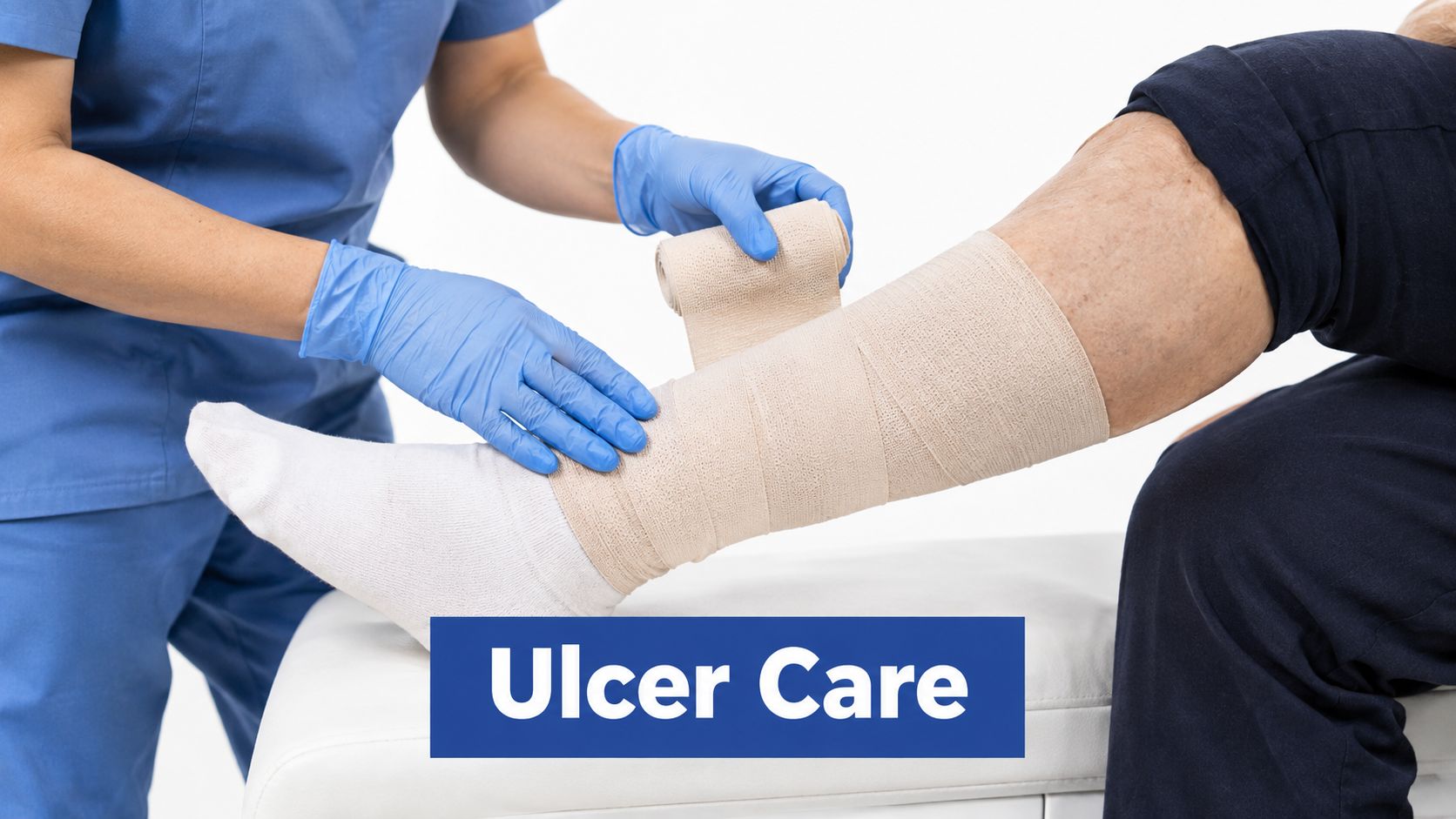
A duplex ultrasound helps identify reflux and can guide treatment of the underlying venous problem. Wound management may include cleaning, debridement when clinically indicated, dressings, compression selected after circulation assessment, infection treatment, and measures to reduce edema. Healing often requires attention to both the wound surface and the venous pressure that contributed to tissue breakdown.
Why the wound and vein plans must connect
Treating only the visible wound may not address the reason it developed or keeps returning. A patient with a recurrent ankle ulcer and leg vibrations may need coordinated evaluation of reflux, arterial circulation, edema, pressure, infection, nutrition, diabetes, and mobility.
The causes of leg ulcers and available treatments provide further context for connecting wound care with venous assessment. Compression should not be chosen casually when arterial disease is possible. A clinician needs to assess circulation and select an appropriate approach.
An open, draining, increasingly painful, or non-healing wound needs professional care. Don't wait for the vibrating sensation to disappear before arranging an evaluation.
Redness spreading beyond the wound, increasing warmth, foul drainage, fever, black tissue, or rapidly worsening pain requires prompt attention. Home remedies can't reliably determine whether an ulcer is infected or whether deeper tissue is involved.
6. Diabetic Foot and Leg Complications
Diabetes can create several overlapping reasons for a vibrating sensation in the legs. Peripheral nerve damage may cause buzzing or reduced vibration sense, while vascular disease can limit tissue oxygen delivery and slow wound healing. Swelling, pressure, infection, and inflammation can add further sensations.
The practical risk comes from the combination. A person may not feel a blister because of neuropathy, then heal slowly because of impaired circulation. A small wound can become more serious before it receives attention. The presence of diabetes means a vibrating sensation should be interpreted alongside foot sensation, skin condition, pulses, temperature, color, footwear, and wound status.
What a focused assessment includes
A clinician may perform:
- Sensory testing: Vibration, pinprick, temperature, reflexes, and monofilament testing can identify protective-sensation loss.
- Circulation assessment: Pulses, skin temperature, color, capillary refill, and vascular imaging may help identify impaired blood flow.
- Wound examination: Size, depth, drainage, odor, surrounding redness, pressure points, and tissue quality need documentation.
- Metabolic review: Glucose management, kidney health, nutrition, and medication effects can influence nerve function and healing.
A hypothetical patient with type 2 diabetes, persistent foot buzzing, and a sore that hasn't closed needs more than a new sock or a topical product. The evaluation may involve wound care, neurological testing, vascular imaging, infection assessment, and coordination with the clinician managing diabetes.
For an overview of coordinated assessment and treatment, see this guide to diabetic foot ulcer care. People with diabetes should inspect their feet regularly, avoid walking barefoot, use properly fitted footwear, and report wounds, color changes, swelling, or new loss of sensation promptly.
7. Lymphedema and Lymphatic Dysfunction
Lymphedema occurs when lymph fluid doesn't drain effectively from a limb. The resulting swelling can create heaviness, tightness, pressure, reduced flexibility, and sometimes a vibrating or humming sensation. The fluid accumulation itself may not explain every symptom, but stretched tissues, inflammation, and altered movement can change how the leg feels.
Look for persistent swelling, a feeling of tight skin, changes in the shape of the limb, and skin thickening or texture changes. Lymphedema may affect one or both legs. A history of surgery, radiation, trauma, lymph-node treatment, infection, or a long-standing tendency toward swelling can provide important context.
Venous insufficiency and lymphatic dysfunction can coexist. That makes distribution and visible changes useful, but not always definitive. Duplex ultrasound may help assess venous disease and exclude other causes, while a clinician trained in lymphatic care can evaluate the swelling pattern and tissue characteristics.
Supporting lymphatic function
Management may include graduated compression garments or wrapping, skin care, exercise suited to the person's condition, and manual lymphatic drainage performed by a trained professional. The goal is to control swelling, maintain mobility, reduce skin complications, and improve comfort.
A person who develops leg swelling after treatment for cancer may need a lymphatic assessment. Another person with varicose veins, ankle swelling, and firm lower-leg tissue may have both venous and lymphatic problems. Treating one without recognizing the other can leave symptoms unresolved.
The lower-extremity lymphedema exercise guidance may help readers understand the role of movement, but exercises and compression should be adapted when there is pain, infection, arterial disease, or an open wound. Sudden one-sided swelling, severe pain, color change, or shortness of breath needs urgent medical attention rather than routine lymphedema self-care.
8. Medication Side Effects and Electrolyte Imbalances
Could a new vibrating sensation reflect a medication change, fluid loss, or an electrolyte imbalance? The timing often provides the first useful clue. Symptoms may begin after starting, stopping, or adjusting a diuretic, corticosteroid, stimulant, psychiatric medicine, thyroid treatment, or supplement. Vomiting, diarrhea, reduced food intake, heavy sweating, and dehydration can create a similar pattern.
These causes often produce tremor, twitching, cramps, or an internal buzzing feeling. Distribution matters, too. A generalized sensation after illness or a medication change points in a different direction from persistent numbness in both feet, one swollen leg, or symptoms beside a wound. Movement may briefly relieve some sensations, while weakness, worsening pain, skin color change, or an open wound needs assessment rather than simple medication attribution.
What to review with a clinician
Bring every prescription, over-the-counter product, vitamin, mineral, and supplement. Note when each was started or changed, when symptoms appear, and whether food, fluids, rest, or movement affects them.
A clinician may review:
- Medication timing: Compare symptoms with starts, stops, and dose changes.
- Electrolytes: Blood testing may assess potassium, magnesium, calcium, and other metabolic markers. Learning what electrolytes do for hydration can clarify their relationship to muscle and nerve function.
- Thyroid function: Testing may be appropriate when tremor or muscle symptoms fit that possibility.
- Other causes: Persistent numbness, swelling, weakness, or wounds may require neurological, vascular, or wound evaluation.
Do not stop a prescription suddenly unless the prescriber advises it. Someone taking a diuretic for leg swelling may need medication review and laboratory testing, not self-directed electrolyte replacement. Kidney function, the medication involved, and the reason for treatment all affect the safest response.
Correcting an abnormality or changing a drug may help. Persistent or worsening symptoms should be reassessed, especially when neuropathy, venous disease, or wound care concerns overlap.
Vibrating Leg Sensation: 8-Condition Comparison
| Condition | Implementation complexity | Resource requirements | Expected outcomes | Ideal use cases | Key advantages |
|---|---|---|---|---|---|
| Restless Leg Syndrome (RLS) | Low–Moderate: clinical diagnosis, rule‑out secondary causes | Clinical history, basic labs (iron), possible neurology referral | Symptom control and improved sleep with treatment | Evening/night leg restlessness without vascular signs | Established protocols; non‑invasive treatments |
| Chronic Venous Insufficiency (CVI) and Venous Reflux | Moderate: imaging and procedural planning | Duplex ultrasound, compression therapy, endovenous tools, specialist care | Symptom relief, reduced progression, ulcer prevention after treatment | Visible varicose veins, heaviness, reflux on imaging | Definitive diagnosis; multiple minimally invasive options |
| Peripheral Neuropathy | Moderate–High: etiologic workup and neurophysiology testing | Glucose control, labs, EMG/NCS, endocrinology involvement | Symptom management, slowed progression; reduces ulcer risk with control | Diabetic patients with bilateral paresthesia or sensory loss | Detectable with non‑invasive screening; treatable via metabolic control |
| Muscle Strain or Overuse Injury | Low: clinical assessment, conservative care | Rest, NSAIDs, physical therapy, activity modification | Rapid recovery (weeks) with conservative measures | Localized vibration/twitching after exertion or acute event | Self‑limited; low cost and non‑invasive treatment |
| Venous Leg Ulcers and Tissue Inflammation | High: integrated vascular and wound management | Duplex, wound debridement supplies, advanced dressings, compression, interventional therapy, multidisciplinary team | Ulcer healing and recurrence reduction when reflux and wound are treated | Chronic medial gaiter ulcers with swelling and reflux | Addresses root cause; high healing rates with integrated care |
| Diabetic Foot and Leg Complications | High: multidisciplinary coordination and ongoing management | Vascular assessment, wound care, endocrinology, patient education, advanced therapies | Improved limb preservation and reduced complications with coordinated care | Diabetics with neuropathy, poor perfusion, or non‑healing wounds | Preventive protocols; combined vascular and metabolic approaches |
| Lymphedema and Lymphatic Dysfunction | Moderate: long‑term management and specialist therapy | Compression garments/wrapping, manual lymphatic drainage, specialist PT, possible imaging | Chronic symptom control and reduced swelling with adherence | Post‑surgical/radiation swelling or unilateral progressive edema | Non‑invasive effective therapies; can be combined with venous treatment |
| Medication Side Effects and Electrolyte Imbalances | Low–Moderate: review and laboratory correction | Medication reconciliation, basic metabolic panel, thyroid tests, prescriber coordination | Often rapid symptom resolution after adjustment or correction | Recent med changes, diuretic use, or electrolyte disturbances | Readily identifiable and often reversible; avoids unnecessary procedures |
Choose the Right Next Step for Leg Vibrations
A vibrating sensation in the legs becomes easier to interpret when you record the surrounding clues. Note the time of day, whether you were resting or active, whether movement helped, whether one or both legs were affected, and whether the sensation stayed in one area or spread. Also record swelling, varicose veins, skin color or texture changes, numbness, weakness, cramps, medication changes, and any cut or open wound.
A short symptom diary can make a clinical visit more useful. Write down what happened before the sensation began, how long it lasted, whether walking or elevation changed it, and whether it interfered with sleep. Don't use improvement after movement as proof of RLS, and don't assume a constant buzzing sensation is harmless only because the skin looks normal.
Match the clue to the evaluation
The next test depends on the pattern:
- Rest-related symptoms with an urge to move: A clinician may assess for RLS, review medicines, and consider iron and kidney testing.
- Swelling, visible veins, heaviness, or skin changes: A venous examination and duplex ultrasound may be appropriate.
- Persistent buzzing with numbness or reduced sensation: A neurological examination can assess vibration, pinprick, temperature, reflexes, strength, and protective sensation.
- A localized sensation after exertion: A musculoskeletal examination may identify strain, spasm, or restricted movement.
- Chronic swelling with tissue thickening: Lymphatic evaluation can be considered, particularly when venous disease doesn't fully explain the findings.
- Symptoms after a medication change or illness: Medication reconciliation and laboratory testing may identify a reversible contributor.
Authoritative RLS guidance emphasizes excluding mimics such as painful peripheral neuropathy, leg cramps, edema, venous stasis, radiculopathy, anxiety, and drug-induced akathisia. That matters because a vibrating sensation can describe several different mechanisms, and the appropriate next step may be an iron panel, neurological evaluation, medication review, or venous assessment. (RLS differential diagnosis guidance)
Know when home care isn't enough
Arrange a clinical evaluation for symptoms that persist, worsen, recur without an obvious trigger, disrupt sleep, or occur with numbness, weakness, balance problems, swelling, or skin changes. An open or non-healing wound, spreading redness, drainage, fever, new weakness, loss of sensation, severe pain, or rapidly worsening swelling should not be managed with home care alone.
The Vein and Wound Institute may be relevant when vibrating sensations overlap with venous insufficiency, leg swelling, venous ulcers, diabetic wounds, or lymphatic dysfunction. Its services include clinical evaluation, duplex ultrasound, minimally invasive vein procedures, compression-based care, advanced wound treatment, and coordinated follow-up. A plan matched to the individual should address the underlying cause, not just the sensation.
If your leg symptoms include swelling, visible veins, a chronic wound, diabetes, or unexplained changes in sensation, schedule an assessment instead of guessing at the cause. Early evaluation can clarify whether the priority is neurological care, laboratory testing, lymphatic management, venous treatment, wound care, or a combination of approaches.
Vein and Wound Institute evaluates venous disorders, leg swelling, lymphatic problems, diabetic wounds, and acute or chronic non-healing wounds with clinical examination and onsite diagnostics. Visit Vein and Wound Institute to request care for a vibrating sensation linked with swelling, venous symptoms, or wound concerns.