A nonautologous tissue substitute is a biologic or engineered material from a donor, another species, or a manufactured scaffold used to cover or support a wound when your own tissue isn't enough. In practical wound care, that usually means you're deciding whether the goal is temporary coverage, a regenerative scaffold, or a bridge to definitive closure.
You're usually not looking at these products because a wound is simple. You're looking at them because the wound is large, stalled, exposed, painful, or too complex for standard dressings alone, and the key question is what the tissue needs next.
Table of Contents
- What a Nonautologous Tissue Substitute Is and When It Matters
- The Three Main Categories at a Glance
- Allografts: Human Donor Skin as a Temporary Biologic Dressing
- Xenografts Animal-Derived Coverage Options
- Bioengineered and Acellular Matrices
- Matching Substitutes to Wound Type and Etiology
- Advantages, Limitations, and the Temporary vs Permanent Question
- Regulatory Pathway Safety Screening and FDA Framework
- Handling Storage Documentation and Coding
- When a Substitute Is Worth It and When It Is Not
- Integrating Substitutes Into a Cause-Directed Wound Plan
- Quick Reference for Common Substitute Categories
What a Nonautologous Tissue Substitute Is and When It Matters
A patient presents with a wound that will not close, or a burn that exceeds available donor skin. At that point, a nonautologous tissue substitute becomes relevant because the patient's own tissue cannot immediately do the job.
At the bedside, the term covers a biologic or engineered material taken from a donor, another species, or a manufactured scaffold rather than from the patient receiving treatment. Medicare's skin-substitute language includes nonautologous human skin, nonhuman skin substitutes such as xenografts, and biologic products that form a sheet-like scaffold for skin growth (CMS article).
The bedside question is not “What product is this?”
The better question is what role the product needs to play now. Human allografts, xenografts, and acellular or bioengineered matrices all sit under the same broad label, but they serve different purposes. Some are used to cover and protect, some to buy time, and some to provide a framework for repopulation by the patient's own cells.
Practical rule: If the wound bed is still fighting infection, poor perfusion, pressure, edema, or venous disease, the substitute is an adjunct, not the whole plan.
That distinction matters because these materials support wound care, they do not replace it. They can protect exposed tissue, reduce fluid and heat loss, and help granulation progress while the underlying cause is being treated.
The Three Main Categories at a Glance
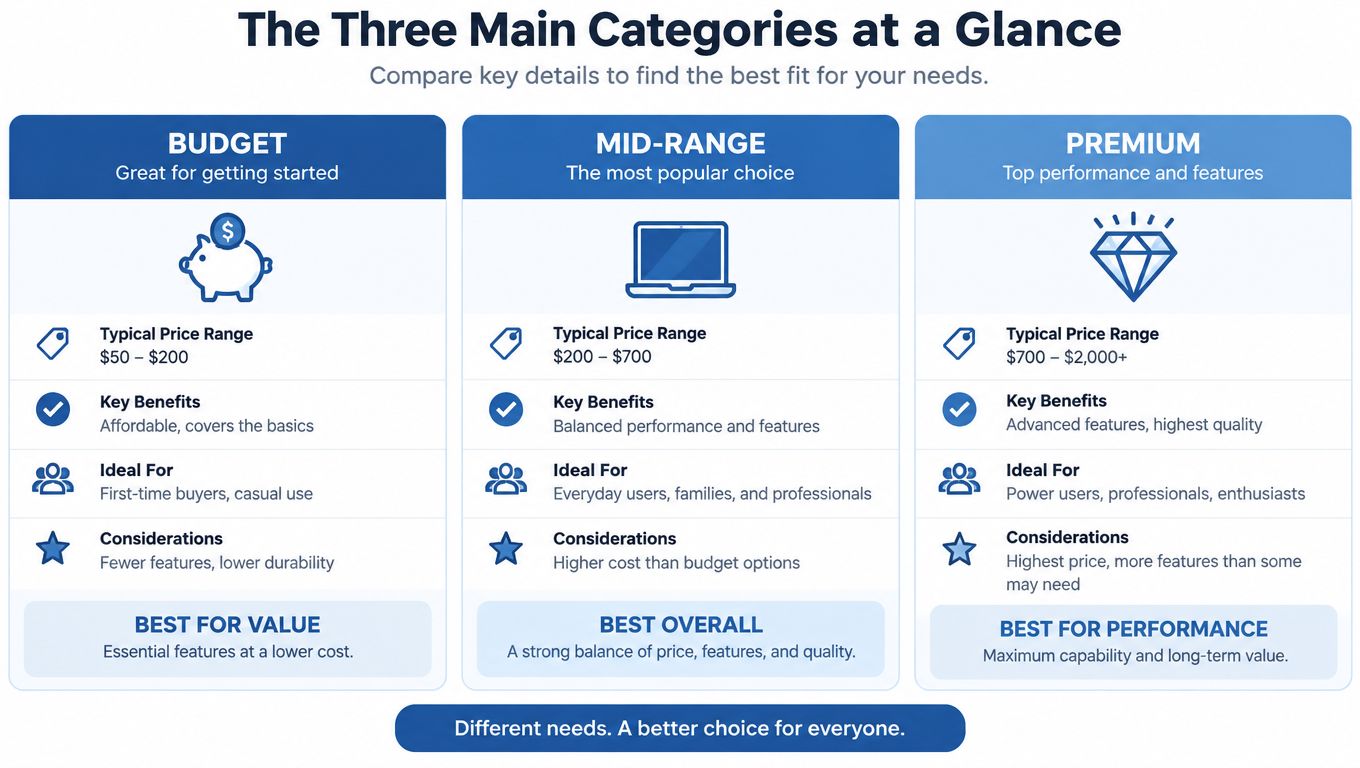
A diabetic foot ulcer with exposed tendon, a venous leg ulcer with heavy drainage, and a partial-thickness burn do not call for the same substitute. The category matters because each one plays a different clinical role, temporary cover, protective barrier, or a scaffold meant to support ingrowth.
| Category | Source | Structure | Primary Clinical Role |
|---|---|---|---|
| Allograft | Human donor tissue | Cellular or acellular, depending on processing | Temporary biologic dressing, wound coverage, preparation for later closure |
| Xenograft | Nonhuman tissue, commonly porcine | Typically temporary coverage material | Short-term wound coverage, protection of the wound bed |
| Bioengineered matrix | Manufactured scaffold, sometimes combined with biologic components | Usually acellular scaffold, designed for repopulation | Regenerative framework and staged reconstruction |
Why the categories matter
Medicare's coverage language recognizes products from allogeneic, xenogeneic, synthetic, or combined sources, and that source affects structure, handling, and clinical intent (CMS LCD). A material that keeps a wound covered for a short interval is serving a different purpose than a matrix built to guide tissue ingrowth.
The practical question is direct. Does the product cover, scaffold, or bridge? That answer should track with the wound bed conditions already under control, perfusion, infection, pressure, edema, and venous reflux. If those drivers are still active, the substitute supports the plan, it does not replace it.
Allografts: Human Donor Skin as a Temporary Biologic Dressing
Human allografts are familiar to wound teams because they solve a practical problem. The patient needs coverage, but does not have enough usable donor skin. In burns and other large defects, that difference can determine whether care advances or stalls.
What they do well
Cadaveric allografts are commonly used as temporary biologic dressings. They protect exposed structures, reduce fluid and heat loss, and give clinicians time to correct the wound environment before definitive closure. That temporary role explains why they remain useful when autologous donor sites are limited.
The field's early milestones reflect that use. A documented success came in 1938, when cadaveric allograft skin was used in children with large full-thickness burns, and the U.S. Navy tissue bank in 1949 helped build the tissue-banking system that made donor skin more consistently available (burn care and tissue banking review).
A good allograft supports the wound while the underlying work continues. Perfusion, infection control, pressure relief, edema management, and venous reflux still have to be addressed.
What they are not
Allografts are not permanent replacements for native skin. Because the tissue is not genetically identical to the recipient, immune rejection, infection, and eventual graft loss remain real limitations. In many cases, the allograft serves as a biologic cover while the bed is prepared for later closure.
Human donor skin helps most when the immediate need is protection, not final reconstruction.
Allografts fit best when the wound is extensive, the patient's own donor sites are scarce, or treatment is staged. They are useful, but they are rarely the last step.
Xenografts Animal-Derived Coverage Options
A xenograft earns its place when the wound needs temporary biological cover and the next stage is already clear. The material source matters less than the clinical role it serves.
How they fit into care
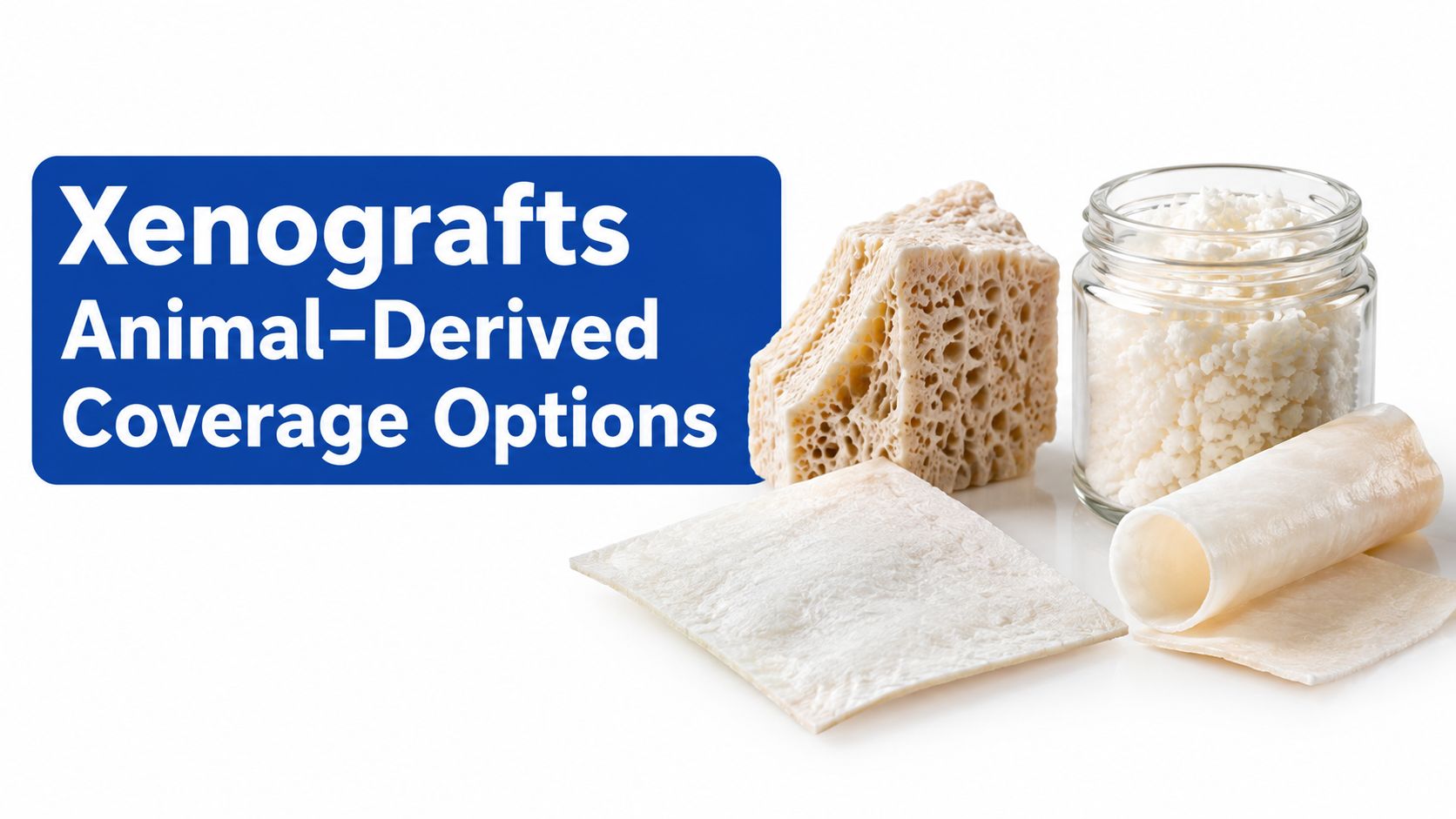
Porcine xenografts provide short-term wound coverage and help prepare the wound bed for later definitive closure. Pig-skin coverage became more widely used during the 1970s, when burn excision left clinicians with a familiar problem, the wound needed cover, but autologous donor sites were limited, as noted in the burn care and tissue banking review.
That makes xenografts practical when the immediate goal is to protect the wound, reduce heat and fluid loss, and stabilize the bed before reconstruction. They can also help in burns, traumatic defects, and other large wounds that need temporary biological coverage.
Perfusion, infection control, pressure relief, edema management, and venous reflux still have to be addressed.
Why they usually stay temporary
Xenografts are structurally and biologically different from human allografts, and that difference matters. Because the tissue comes from another species, immune compatibility is limited, so these grafts are generally used for short-term coverage rather than durable replacement.
Before choosing a xenograft, confirm the plan includes the next stage, because the graft itself will not carry the wound to closure.
Bioengineered and Acellular Matrices
A chronic burn or a stalled wound can look ready for grafting while still failing on perfusion, infection control, pressure relief, edema management, or venous reflux. Bioengineered and acellular matrices are for the next step after those problems are being handled, not for replacing that work.
Why the scaffold matters
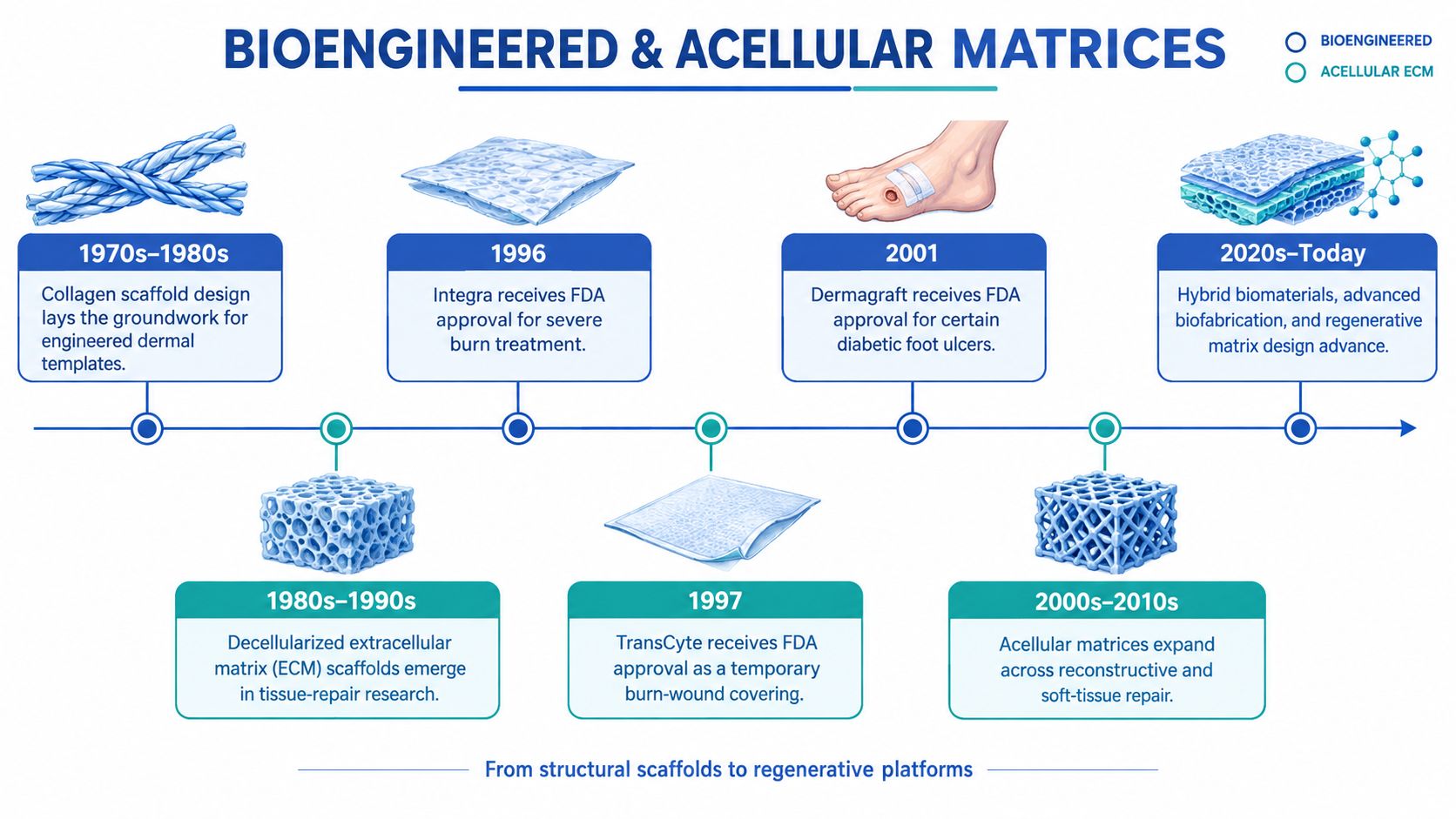
Acellular matrices and engineered products preserve structure such as collagen and extracellular matrix while removing much of the cellular material that can trigger antigenicity. That leaves a scaffold for the patient's own cells to repopulate, so these products are used for staged reconstruction more often than for simple wound coverage. For how these matrices are used in practice, see the practice's overview of bioengineered skin grafts.
The field's best-known milestone is the bilayer scaffold developed by Yannas and Burke, later commercialized as Integra. It became a reference point for dermal replacement because it paired structural support with a path toward later autologous coverage, a shift that is still reflected in reconstructive planning today.
Where they change the reconstruction plan
These matrices matter most when the wound needs staged reconstruction and the bed is suitable for it. In burns, acellular dermal substitutes can support definitive closure when they are paired with later autologous coverage, especially in very large defects. The trade-off is straightforward. The matrix may buy biologic time and improve the reconstructive sequence, but it still depends on a wound environment that is clean, perfused, and controlled.
| Pros | Cons |
|---|---|
| Creates a scaffold for cellular ingrowth | Still depends on the wound environment |
| Can support staged reconstruction | Not every wound needs a matrix |
| May help bridge large defects | Processing and product selection matter |
| Useful when donor skin is limited | Not a substitute for perfusion or infection control |
Matching Substitutes to Wound Type and Etiology
A substitute chosen for the wrong wound biology does little good. A venous ulcer, diabetic foot ulcer, arterial wound, traumatic defect, and extensive burn may all call for a substitute, but the role each product plays is different.
Use the wound's biology first
The four-week failure criterion from the CMS LCD cited earlier is a practical checkpoint, not a license to skip wound-bed preparation or treatment of the cause. Before any substitute goes on, perfusion, infection, pressure, edema, and venous reflux need attention.
For a chronic wound, that usually means debridement, measurement, offloading or compression when appropriate, and a follow-up plan that does not drift. The substitute then supports the plan, it does not replace it.
Match role to etiology
- Extensive burns or large traumatic defects: Temporary biologic dressings, often allograft or xenograft, can protect the wound until definitive coverage is possible.
- Chronic venous or diabetic wounds: Acellular or cellular adjuncts may help once the wound environment is corrected as much as possible and standard care has stalled.
- Complex staged reconstruction: Bioengineered matrices fit better when the goal is tissue ingrowth before permanent closure.
In venous ulcers, a substitute applied before reflux correction and compression usually fails, no matter how good the product looks on paper.
For a broader wound overview, what counts as a chronic wound helps anchor the selection process.
Advantages, Limitations, and the Temporary vs Permanent Question
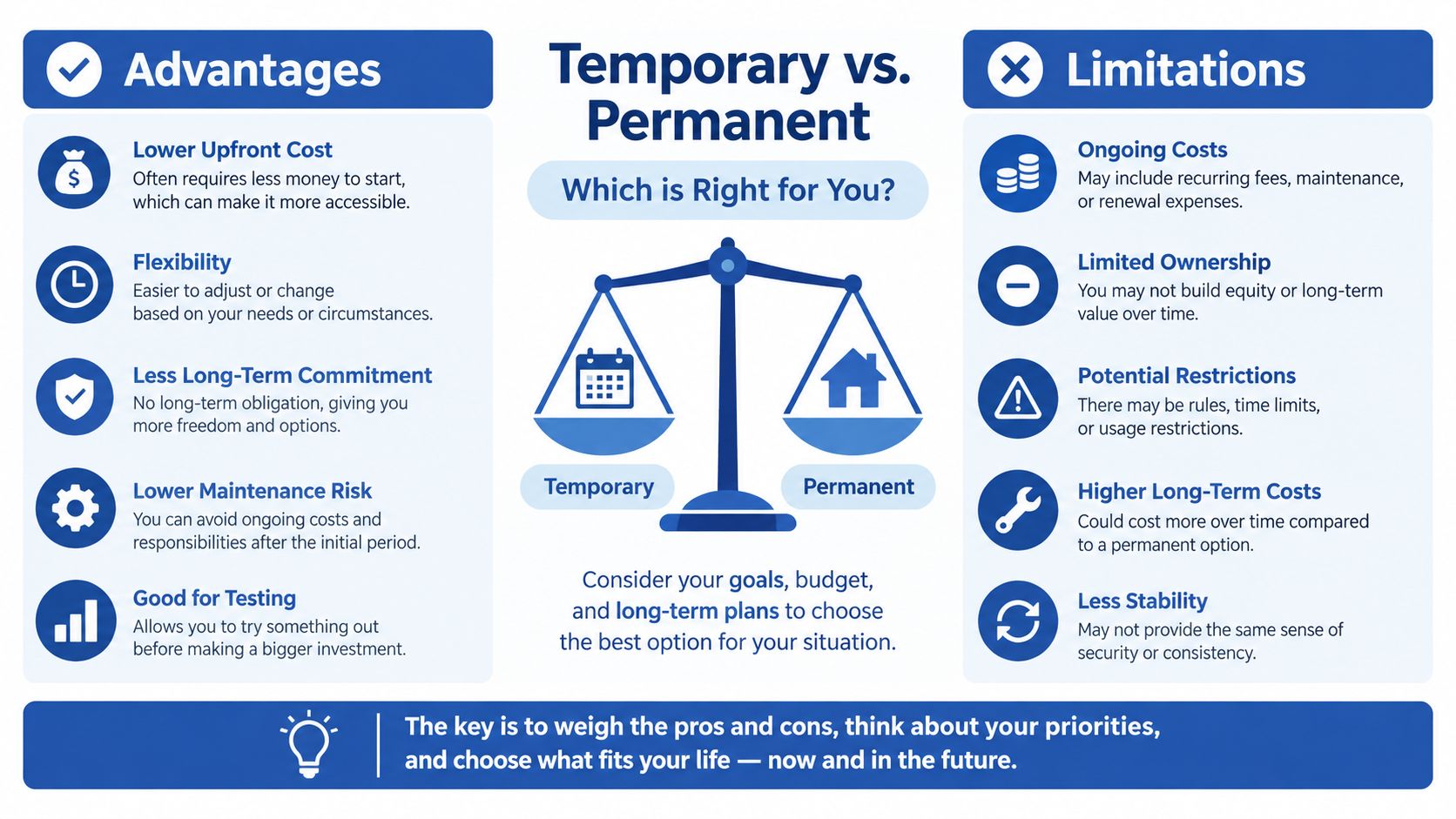
A patient asks one question in different words: will this substitute become my skin, or is it only buying time? The answer depends on the product class and on whether the wound is ready for coverage.
What these products do well
Nonautologous substitutes can cover extensive wounds when donor skin is limited, protect exposed structures, reduce fluid and heat loss, and support granulation while the cause of the wound is being treated. In burns and complex traumatic wounds, that practical support can change the course of care.
Where they fall short
The limits matter just as much. Because the tissue is not genetically identical to the recipient, immune rejection, infection, and eventual graft loss remain real risks. Allografts and xenografts often serve as temporary coverage rather than permanent replacement.
Permanent skin replacement generally does not happen without the patient's own epithelial and cellular elements.
That is the key distinction. A matrix can help the wound organize and repopulate, but it does not override biology. Human-derived products also fall under the FDA's HCT/P framework, so donor screening, testing, manufacturing controls, and traceability are part of safe use (FDA tissue and tissue products).
The trade-off is straightforward. Temporary products buy protection and time. Regenerative scaffolds can support ingrowth, but only when perfusion, infection, pressure, edema, and venous reflux are being addressed at the same time.
| Advantages | Limitations |
|---|---|
| Helps cover large wounds | May be temporary, not permanent |
| Supports granulation and protection | Immune rejection can occur |
| Reduces fluid and heat loss | Infection and graft loss remain concerns |
| Can bridge to staged closure | Requires careful patient selection |
Regulatory Pathway Safety Screening and FDA Framework
A wound may be clinically ready for a substitute, while the product itself still needs a regulatory check. For human-derived nonautologous tissue substitute products in the United States, the question is whether the material falls under the FDA's HCT/P framework.
What clinicians should expect
Under 21 CFR Parts 1270 and 1271, tissue establishments register and list applicable products, verify donor eligibility, screen for relevant communicable-disease risk factors, perform required testing with FDA-licensed, cleared, or approved assays, and keep written procedures and records. The controls also cover recovery, screening, testing, processing, storage, labeling, packaging, and distribution (FDA tissue and tissue products).
That matters at the bedside because a useful graft still needs a clear chain of custody. Know what the product is, which pathway applies, and what documents should arrive with it. FDA guidance for human cells, tissues, and cellular or tissue-based products also treats donor eligibility and disease-agent transmission as serious safety issues (FDA tissue guidance page).
What to verify before use
- Donor eligibility status: Confirm the product arrived with documented screening and testing.
- Storage conditions: Make sure the product has been stored exactly as labeled.
- Package integrity: Do not use a compromised package.
- Expiration or use-by date: Check it before opening.
- Traceability: Retain lot-specific documentation from product lot to patient.
If the regulatory pathway is unclear, the problem is bigger than paperwork. It raises infection-control risk and leaves the team exposed on liability.
Handling Storage Documentation and Coding
A lot of mistakes happen after the right product is chosen. The product may be clinically appropriate, but the lot record is incomplete, the wound description is vague, or the billing line doesn't match the application code.
What should be in the chart
Document the wound etiology and location, measurements before application, debridement and preparation, product name and lot number, product size and amount used, wastage when applicable, fixation or dressing method, and post-application instructions. Keep the storage conditions, package integrity, expiration or use-by date, and traceability information with the product record.
CMS also states that the appropriate CPT or HCPCS application code must be reported on the same claim as the skin-substitute graft or cellular/tissue-based product HCPCS code, or the claim may be returned or denied (CMS article). That means application and product can't be treated as separate billing thoughts.
Documentation rule: If the wound plan isn't visible in the note, the substitute looks like a standalone intervention, and that's usually the wrong story.
Causal care remains visible through the chart. It should show pressure relief, infection management, edema control, compression when appropriate, and progress over time, not just product placement.
When a Substitute Is Worth It and When It Is Not
A substitute earns its place only after the wound bed and the cause of nonhealing have been corrected enough for it to help.
A health-technology review found that some products improved diabetic-foot-ulcer healing, but the studies were still too limited to judge specific products or long-term outcomes. The same review also noted a venous-insufficiency-ulcer trial with statistically similar 12-week healing rates with or without the cellular scaffold tested, which is a reminder that not every venous ulcer benefits from adjunctive grafting.
Ask the cause first
Before choosing a substitute, check whether blood flow, infection, pressure, edema, diabetes, and venous reflux are controlled. If they are not, any improvement may be brief or absent.
When a wound does respond, success should mean durable closure and recurrence prevention, not just early coverage. That is the outcome that matters once the dressing comes off.
Integrating Substitutes Into a Cause-Directed Wound Plan
A good wound plan treats the wound and the cause together. That's especially true in venous disease, where circulation, compression, debridement, and advanced wound materials often need to work as one coordinated plan.
The practical workflow starts with wound assessment, then debridement when needed, then treatment of the underlying problem, and only then selective use of a substitute. A clinic that handles both venous disease and wound care can keep that sequence intact, instead of splitting the work into disconnected visits. For a procedural overview, excisional debridement is often the step that clears the bed for any later biologic support.
A compact planning table
| Product category | Source | Expected duration | When to choose | When not to use |
|---|---|---|---|---|
| Allograft | Human donor tissue | Usually temporary | Large wounds, burns, limited donor skin | When infection or perfusion is uncontrolled |
| Xenograft | Animal-derived tissue | Short term | Temporary coverage and wound-bed preparation | When the plan assumes permanent integration |
| Bioengineered matrix | Manufactured scaffold | Staged use | Reconstruction that needs cellular ingrowth | When the cause of nonhealing hasn't been addressed |
That same integrated logic applies to care coordination. If you need a structured view of how wound care, vascular evaluation, and documentation fit together, coordination des soins avec Tribulys is a useful adjacent resource for thinking about multi-step care pathways.
For patients and referring clinicians, one practical option is a practice that combines venous evaluation, wound assessment, compression, debridement, and biologic adjuncts in one setting. Vein and Wound Institute does that kind of integrated wound and vein care, which matters because the substitute only has a real chance when the underlying circulation plan is already in motion.
Quick Reference for Common Substitute Categories
If you need a fast decision aid, keep the categories straight by source, duration, mechanism, and indication. That's usually enough to stop a product from being chosen for the wrong reason.
Quick patient questions that matter
A substitute only makes sense when the wound is the kind that can benefit from coverage or scaffold support, and when the plan already includes cause control. Recovery time also depends on whether the product is temporary coverage or a staged matrix, so don't assume every substitute follows the same timeline.
| Category | Source | Duration | Mechanism | Typical Indication |
|---|---|---|---|---|
| Allograft | Human donor | Temporary | Biologic coverage and protection | Extensive burns, large traumatic defects, staged wound care |
| Xenograft | Animal-derived | Short term | Temporary wound coverage, bed preparation | Burns and large wounds awaiting definitive closure |
| Bioengineered matrix | Manufactured scaffold | Staged use | Structural framework for cellular repopulation | Complex wounds needing regenerative support |
| Acellular dermal matrix | Human or engineered scaffold with reduced cellular material | Variable, often staged | Collagen and matrix support | Chronic or reconstructive wounds needing a scaffold |
One more question comes up often. Does the substitute become part of your own skin? Sometimes it becomes a scaffold the body uses, but that's not the same as the material becoming identical to native skin. The wound still has to close, mature, and hold up over time.
If you're managing a wound that's stalled, recurrent, or tied to venous disease, start with the cause and then choose the substitute. The team at Vein and Wound Institute works at that intersection, with evaluation, debridement, compression, and biologic adjuncts aligned in one care plan. If you're a patient or referring clinician, visit the site to see how that kind of coordinated wound strategy is put into practice.