Understanding Chronic Venous Disease
Healthy veins start with understanding how blood returns to the heart and what happens when vein valves stop working properly.
Chronic venous disease develops when the veins in the legs have difficulty returning blood efficiently toward the heart. Weak or damaged one-way valves can allow blood to flow backward and pool in the lower legs, leading to pressure, swelling, visible veins, and progressive skin changes.
Recognizing the early signs can help patients seek evaluation before symptoms become more advanced.
Talk to a Vein Specialist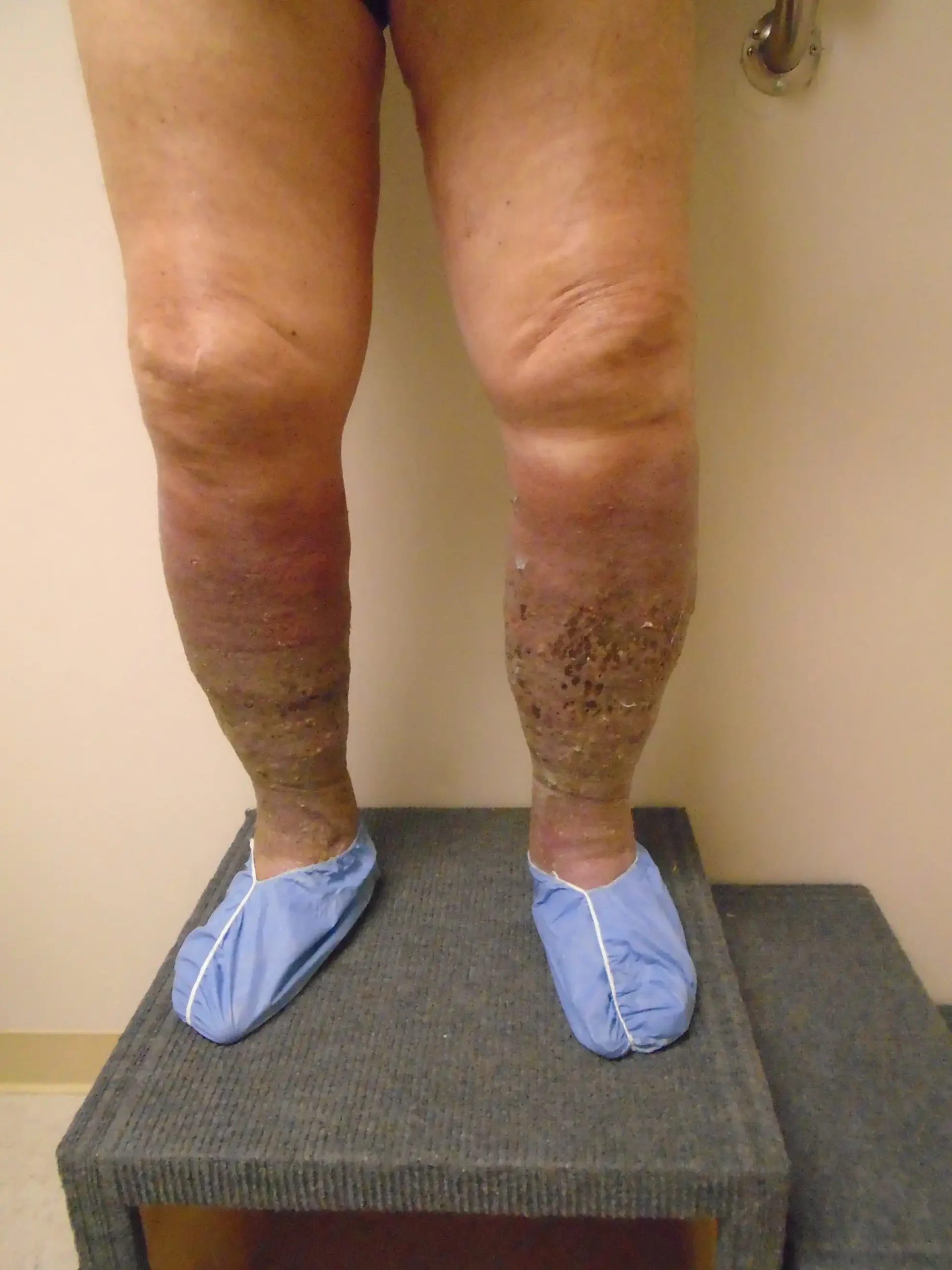
Healthy Veins Depend on One-Way Valves
Veins carry blood back toward the heart. In the legs, one-way valves and muscle movement work together to keep blood moving upward against gravity. When those valves weaken, blood can fall backward, collect in the lower legs, and increase pressure inside the veins.
Normal Flow
Healthy valves open to let blood move upward and close to help prevent backward flow.
Valve Weakness
Damaged or weakened valves may no longer close completely, allowing reflux to develop.
Blood Pooling
Backward flow can cause blood to collect in the legs and increase venous pressure.
Progressive Symptoms
Over time, swelling, varicose veins, discoloration, and even ulcers may develop.
Common Signs of Venous Disease
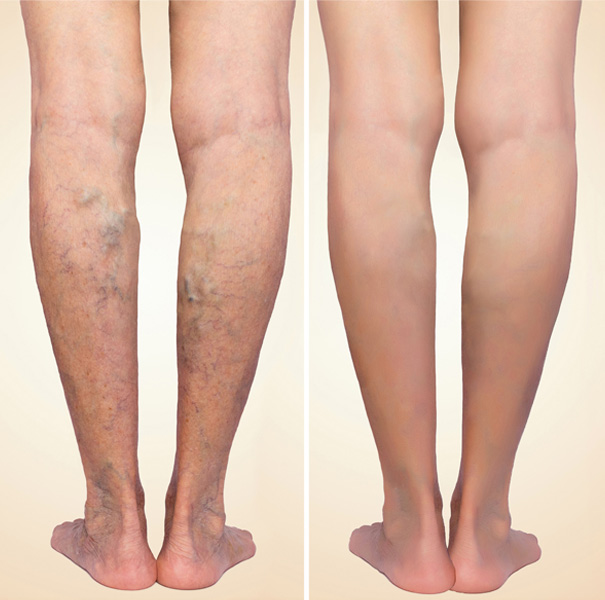
Chronic venous disease can begin with subtle symptoms and gradually become more noticeable. Some patients first notice a cosmetic change, while others experience discomfort, swelling, or skin irritation.
What Can Contribute to Varicose & Diseased Veins?
A combination of genetics, age, hormones, lifestyle, and physical stress can affect vein walls and valves over time.
Age & Genetics
Vein walls and valves can weaken with age, and family history can increase the likelihood of developing venous disease.
Pregnancy & Hormonal Changes
Pregnancy and hormonal shifts can increase blood volume and place additional pressure on the veins of the legs.
Prolonged Standing or Sitting
Long periods without movement can make it harder for the calf muscles to assist venous return.
Heavy Lifting
Repeated increases in abdominal pressure from strenuous lifting may contribute to vein enlargement in susceptible individuals.
Weight & Mobility
Excess pressure on the legs or limited mobility can add stress to the venous system and worsen symptoms.
Prior Vein Problems
Previous blood clots, vein injury, or existing varicose veins can increase the risk of chronic venous insufficiency.
Understanding the Difference
Varicose veins are enlarged, twisted veins that often appear blue or purple beneath the skin. They usually develop when vein walls or valves weaken and allow pressure to build.
Spider veins are smaller red, blue, or purple vessels that can look like fine branches or a web. They commonly appear on the legs or face and may be cosmetic, but visible veins can sometimes exist alongside deeper venous reflux.
Venous Disease Can Progress Over Time
Varicose veins may begin as a cosmetic concern, but chronic venous disease can progress if the underlying reflux continues. Increased pressure in the lower legs may eventually contribute to swelling, inflammation, skin discoloration, tissue damage, and venous ulcers.
Chronic Venous Disease FAQs
What is chronic venous disease?
Chronic venous disease is a broad term for conditions that affect how efficiently veins return blood from the legs to the heart. It often involves weakened vein walls or valves that allow blood to flow backward and pool in the lower legs.
What causes chronic venous disease?
Common contributors include genetics, aging, pregnancy, hormonal changes, prolonged standing or sitting, limited mobility, prior blood clots, and other factors that weaken or damage the venous system.
What symptoms should I watch for?
Symptoms can include aching, heaviness, swelling, visible spider or varicose veins, itching, skin discoloration, inflammation, and in advanced cases, venous leg ulcers.
Are varicose veins only a cosmetic problem?
Not always. Some varicose veins are primarily cosmetic, but they can also be a sign of underlying venous reflux. An evaluation can help determine whether deeper vein dysfunction is present.
Can chronic venous disease be treated?
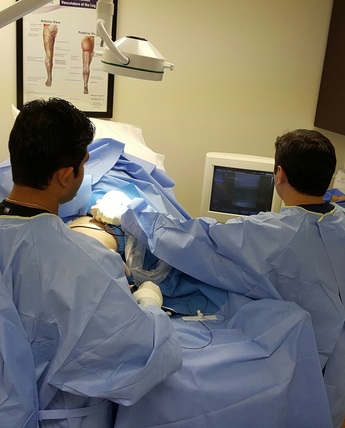
Yes. Treatment depends on the severity and source of the problem and may include compression, lifestyle measures, sclerotherapy, radiofrequency ablation, laser ablation, or other minimally invasive vein treatments.
Why is early treatment important?
Early evaluation can help manage symptoms and reduce the risk of progression to more advanced problems such as persistent swelling, skin changes, inflammation, or venous ulceration.