
Diabetic Leg Ulcers
Specialized wound care focused on healing, infection prevention, circulation, and long-term foot and leg health.
Diabetes can slow wound healing by affecting circulation, immune response, and nerve function. Even a small cut or sore can become difficult to heal when blood flow is reduced or sensation is impaired.
At Vein & Wound Institute, diabetic wounds are evaluated with a focus on both the wound itself and the underlying factors that may be delaying recovery.
Request an Appointment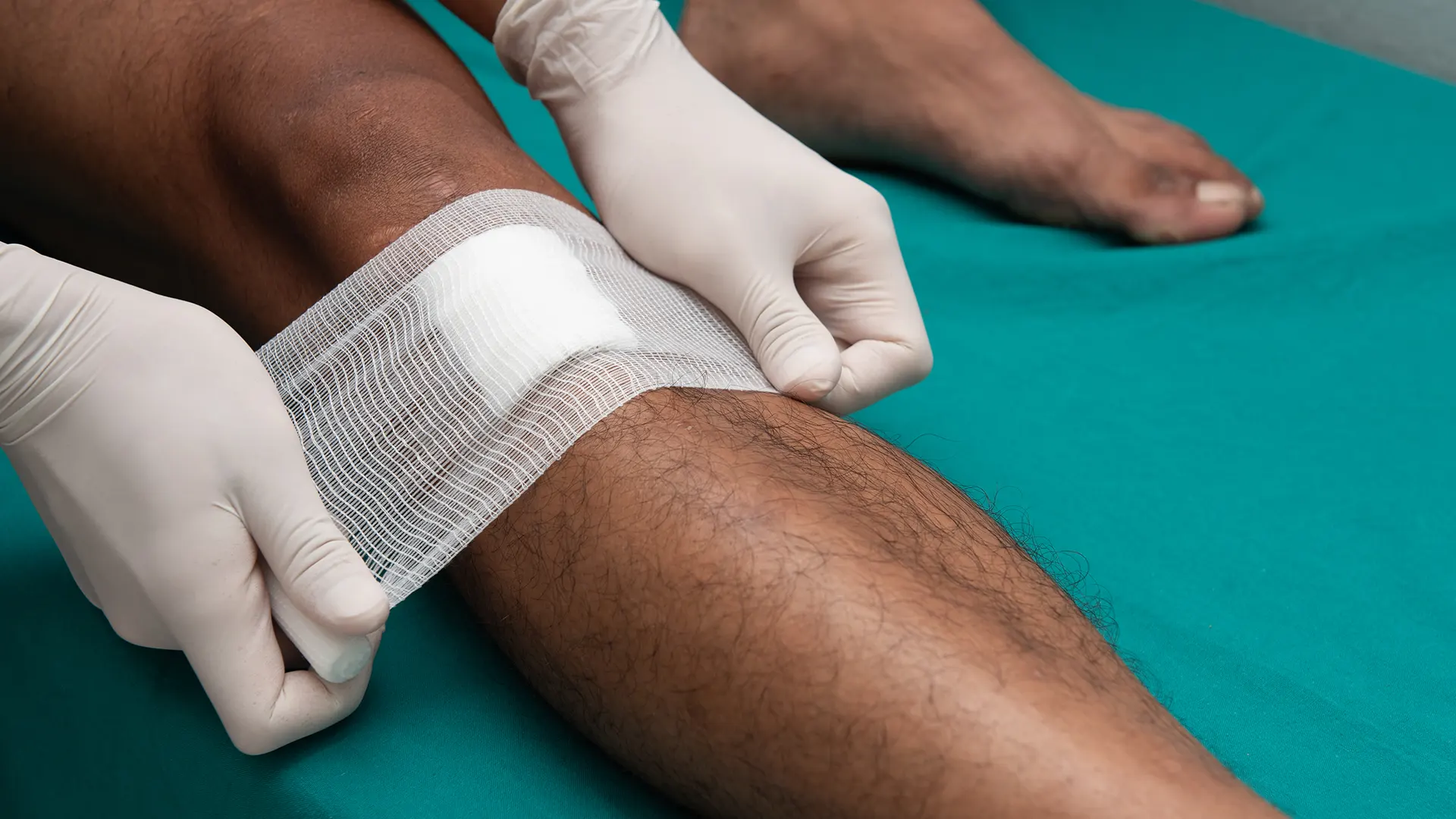
How Diabetes Affects Wound Healing
Diabetes can damage blood vessels and nerves, making it harder for the body to deliver oxygen, nutrients, and immune cells to injured tissue. Reduced sensation can also make it easier for a wound to go unnoticed and worsen before treatment begins.
Reduced Circulation
Poor blood flow can limit oxygen and nutrients needed for tissue repair.
Neuropathy
Nerve damage may reduce sensation, allowing pressure injuries or sores to progress unnoticed.
Higher Infection Risk
Diabetes can impair immune response and make wound infection more difficult to control.
Delayed Tissue Repair
Elevated blood sugar can interfere with the normal stages of healing.
When a Diabetic Wound Needs Medical Attention
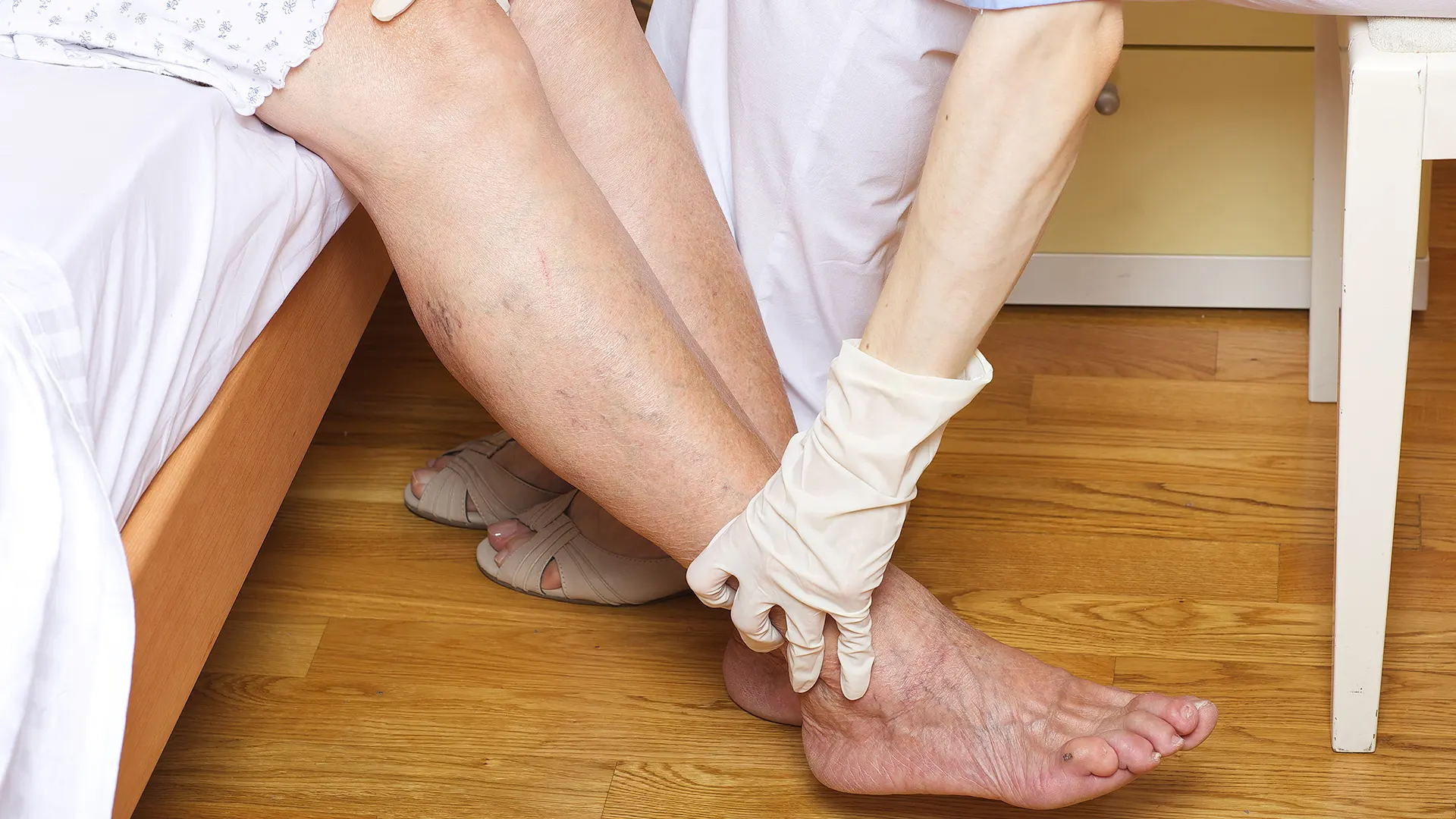
Minor wounds can become serious quickly when diabetes is involved. Any wound that is not improving, becomes increasingly painful, or shows signs of infection should be evaluated promptly.
A More Complete Plan for Healing
Successful diabetic wound care often requires more than dressing the wound. Treatment is tailored to reduce pressure, control infection, support healthy tissue growth, and address circulation or other medical issues that may be slowing recovery.
Evaluate
Assess wound depth, circulation, sensation, infection risk, and contributing health factors.
Clean & Protect
Remove nonviable tissue when appropriate and select dressings that support a balanced healing environment.
Reduce Pressure
Offloading helps limit repeated pressure and friction on the wound, particularly on the foot.
Address the Cause
Improve glucose control, circulation, nutrition, and other factors that can interfere with healing.
Daily Habits Can Make a Major Difference
People with diabetes can reduce wound risk by paying close attention to skin changes, circulation, footwear, and blood sugar control.
Diabetic Leg Ulcer FAQs
Why do diabetic wounds heal more slowly?
Diabetes can reduce circulation, impair immune response, and damage nerves. Together, these changes can interfere with the body's normal healing process and increase the risk of infection.
Are diabetic leg ulcers always painful?
No. Diabetic neuropathy can reduce sensation, so some wounds may cause little or no pain even when they are serious.
When should I see a wound care specialist?
Seek care if a wound is not improving within a few days, shows signs of infection, becomes deeper, or develops around an area of numbness or poor circulation.
Can diabetic ulcers lead to amputation?
Severe or untreated diabetic wounds can progress to infection and tissue damage. Early evaluation and consistent wound care can help reduce the risk of serious complications.
What does treatment usually involve?
Treatment may include wound cleaning, specialized dressings, offloading, infection management, circulation testing, blood sugar management, and advanced wound therapies when needed.
How can I help prevent diabetic wounds?
Inspect your feet and legs daily, wear properly fitting footwear, control blood sugar, avoid walking barefoot, and seek care promptly for any wound that is slow to heal.