
Arterial Leg Ulcers
Specialized wound care focused on poor arterial circulation and the underlying causes that can prevent wounds from healing.
Arterial leg ulcers can develop when narrowed or blocked arteries reduce blood flow to the lower legs and feet. Because healthy tissue depends on oxygen-rich blood, even a small wound may become difficult to heal when circulation is compromised.
At Vein & Wound Institute, evaluation focuses on the wound itself and the vascular condition contributing to delayed healing.
Request an Appointment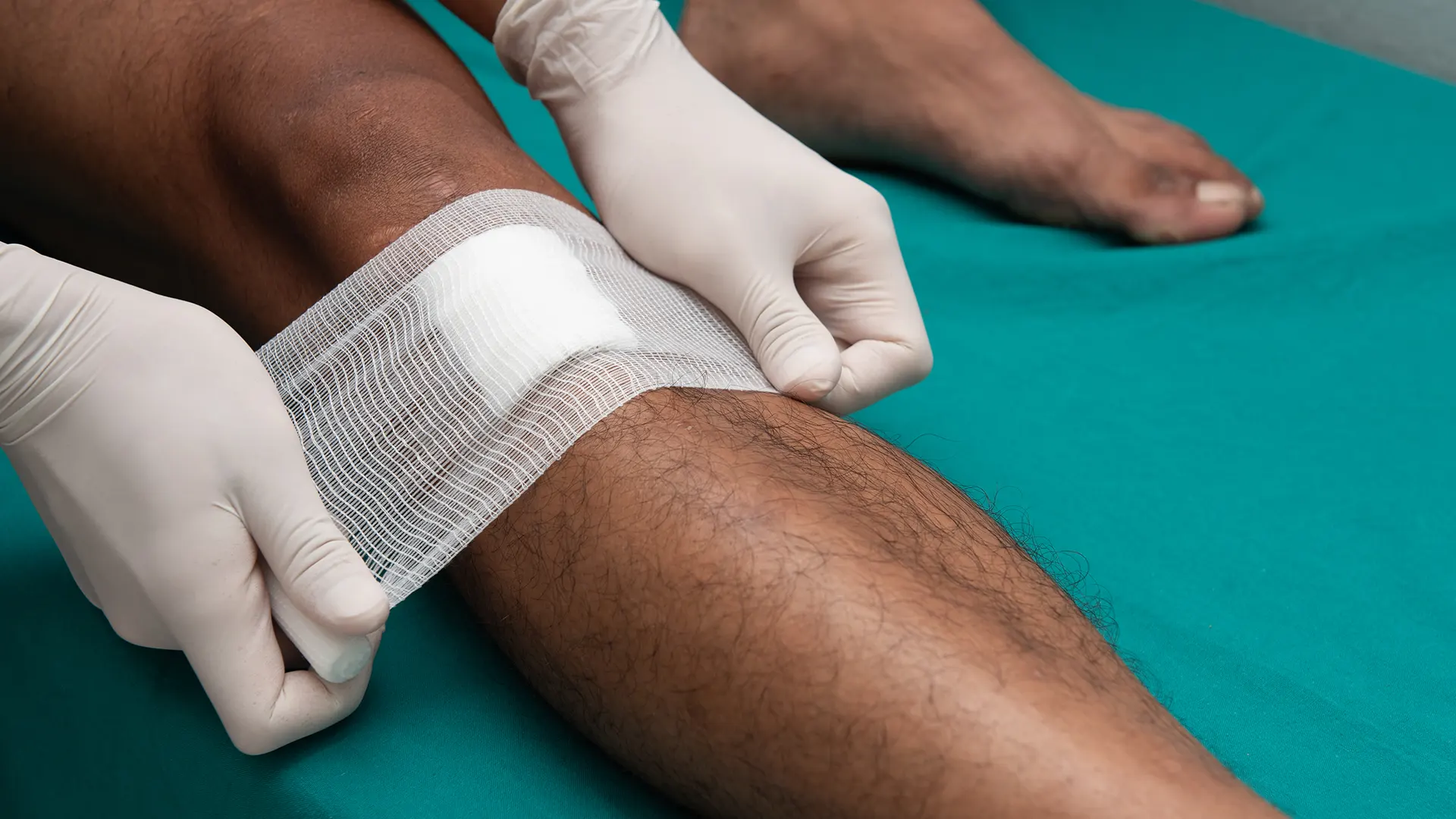
How Reduced Blood Flow Affects Healing
Peripheral arterial disease (PAD) occurs when arteries become narrowed, most commonly from atherosclerotic plaque. Reduced circulation means less oxygen and fewer nutrients reach the skin and soft tissues, which can make wounds slow to close and increase the risk of infection or tissue damage.
Reduced Circulation
Narrowed arteries limit the amount of oxygenated blood reaching the lower legs and feet.
Delayed Healing
Minor cuts or pressure injuries may persist because damaged tissue is not receiving adequate blood flow.
Higher Complication Risk
Poor perfusion can increase the risk of infection, tissue loss and more serious vascular complications.
Early Evaluation Matters
Identifying circulation problems early helps guide safer wound care and appropriate vascular treatment.
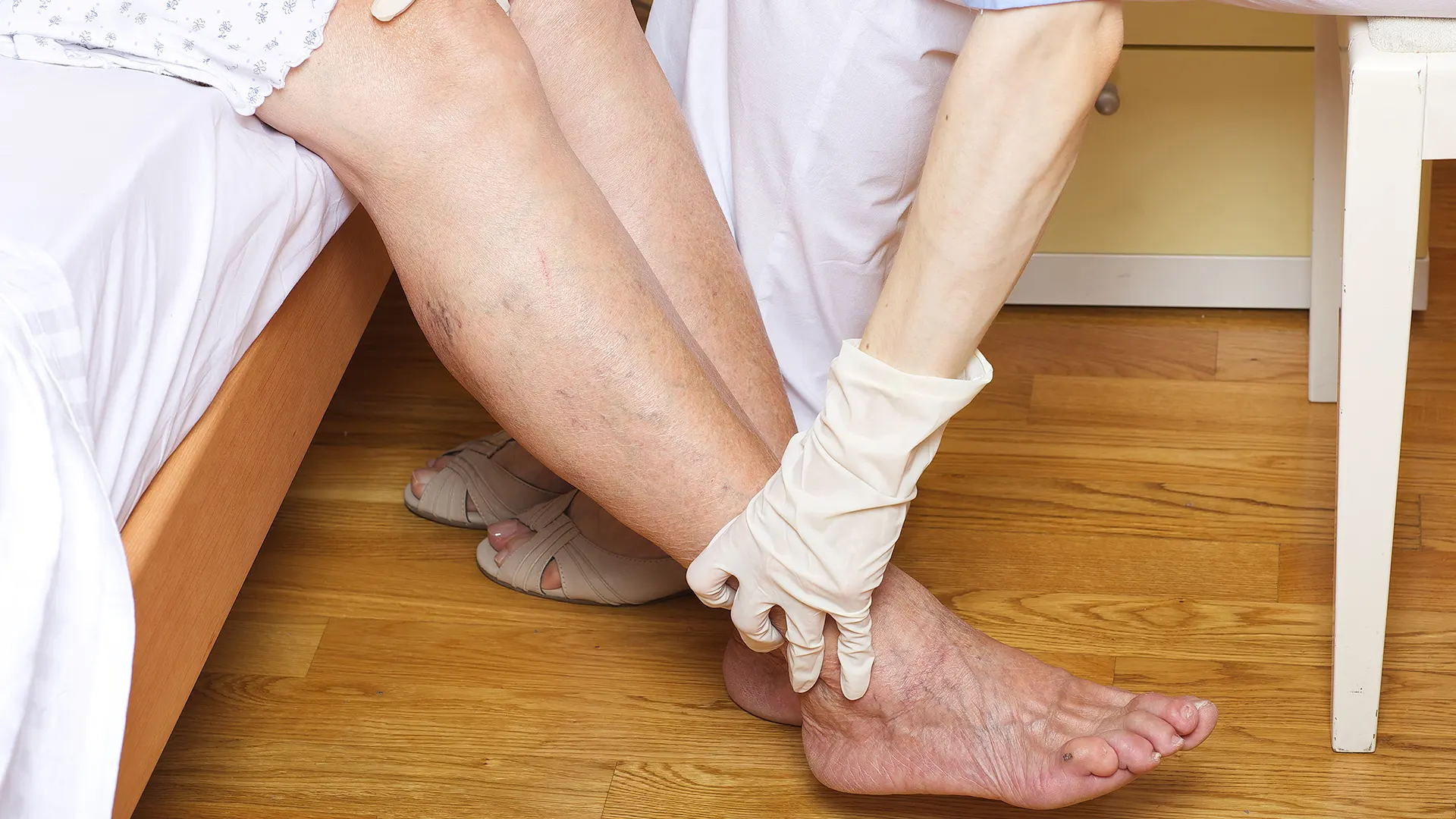
Signs That Circulation May Be Part of the Problem
Arterial ulcers often appear on the toes, feet, heels or outer ankle. They may be painful and can have a sharply defined appearance. Other symptoms of PAD may occur before or alongside the wound.
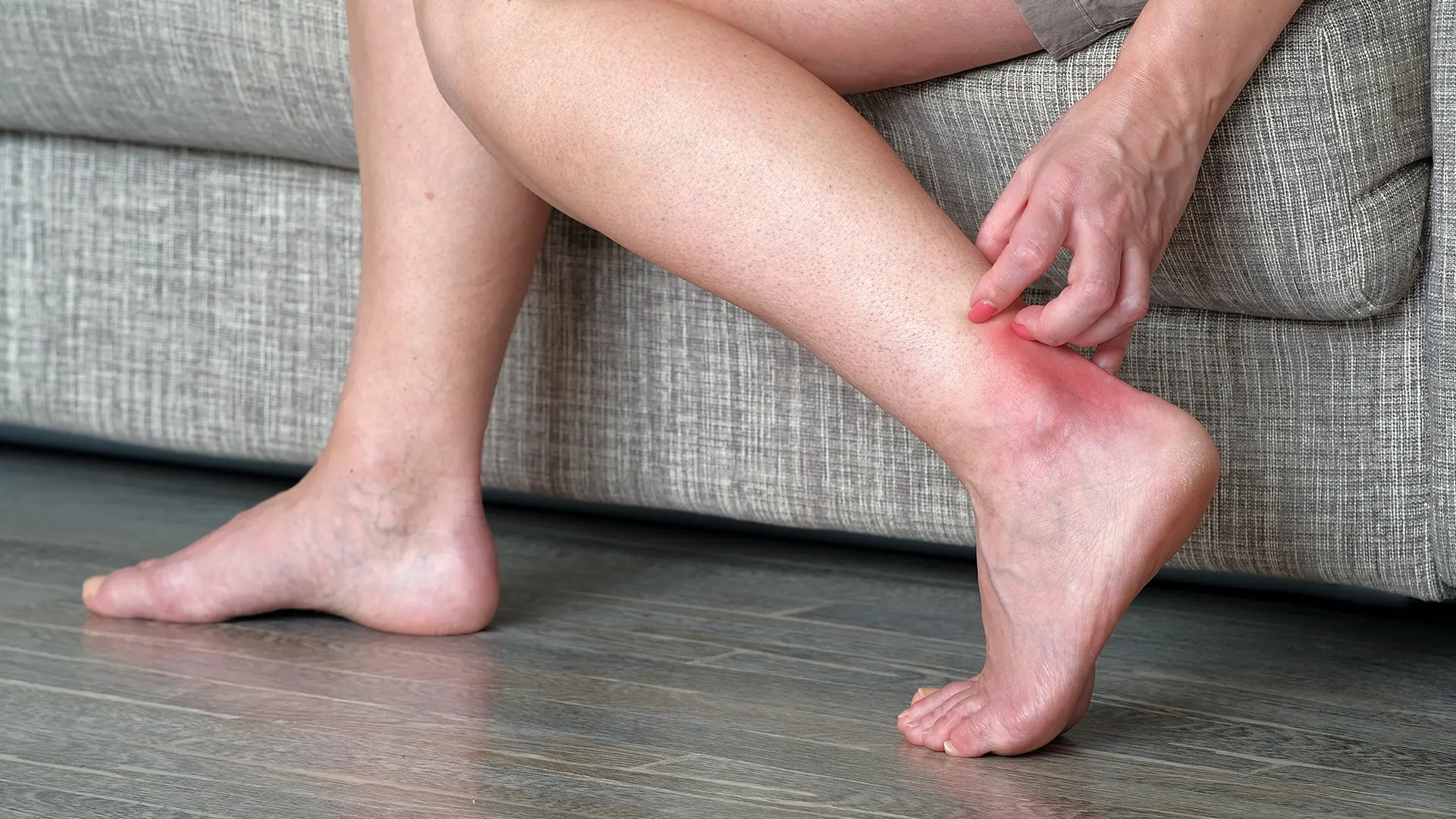
Treating More Than the Wound Surface
Because arterial ulcers are closely tied to blood flow, treatment planning may include vascular testing in addition to wound assessment. The goal is to understand whether poor perfusion is limiting healing and determine the safest next steps.
Wound Evaluation
Assess wound depth, tissue quality, drainage, infection risk and the surrounding skin.
Circulation Testing
Noninvasive vascular studies may be used to evaluate arterial blood flow and perfusion.
Wound Management
Dressings and wound-care strategies are selected based on tissue condition and circulation status.
Vascular Care
When needed, patients may require additional medical or vascular treatment to improve blood flow.
Who Is More Likely to Develop PAD?
Several health and lifestyle factors can increase the likelihood of peripheral arterial disease and arterial wound complications.
Smoking
Tobacco use is one of the strongest modifiable risk factors for PAD.
Diabetes
Diabetes can affect both circulation and wound healing, increasing the risk of lower-extremity ulcers.
Cardiovascular Risk
High cholesterol, high blood pressure and heart disease are frequently associated with PAD.
Arterial Leg Ulcer FAQs
What causes an arterial leg ulcer?
Arterial ulcers typically develop when reduced blood flow from narrowed or blocked arteries prevents tissue from receiving enough oxygen and nutrients to maintain healthy skin and heal normally.
Where do arterial ulcers usually appear?
They commonly occur on the toes, feet, heels, outer ankle or other areas of the lower extremity where circulation is reduced.
How are arterial ulcers different from venous ulcers?
Arterial ulcers are related to inadequate arterial blood flow into the leg, while venous ulcers are usually caused by poor return of blood through the veins and increased venous pressure.
How is circulation evaluated?
Evaluation may include a physical examination and noninvasive vascular testing such as an ankle-brachial index, arterial duplex ultrasound or other perfusion studies, depending on the patient's condition.
Can compression stockings be used for an arterial ulcer?
Compression is not appropriate for every patient with arterial disease. Significant arterial insufficiency should be evaluated before compression is used because excessive pressure may further reduce blood flow.
Why is early treatment important?
Poor circulation can allow a small wound to become larger, infected or difficult to heal. Early wound and vascular evaluation can help reduce complications and guide appropriate treatment.