
Acute Wounds
Prompt, focused care for cuts, tears, punctures, abrasions and other sudden injuries.
Acute wounds occur suddenly and may involve a break, tear or puncture in the skin. Some are minor and heal with basic care, while others require medical evaluation to control bleeding, reduce infection risk and support proper healing.
Request an Appointment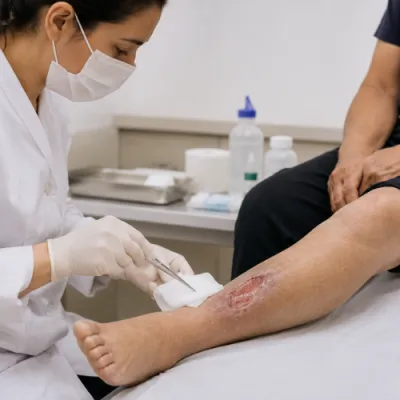
Different Types of Acute Wounds
Acute wounds may result from falls, accidents, sharp objects, machinery, punctures, burns or blunt-force trauma. Depending on the depth and severity of the injury, professional wound care may be needed.
Lacerations
Cuts or tears in the skin that may cause significant bleeding and can require professional closure or wound care.
Abrasions
Surface wounds caused when skin scrapes against a rough surface, creating irritation and infection risk.
Avulsions
Partial or complete tearing of skin and underlying tissue, often caused by more severe trauma.
Puncture Wounds
Small but potentially deep wounds caused by sharp objects such as nails, needles or other penetrating injuries.
When an Acute Wound Needs Medical Attention
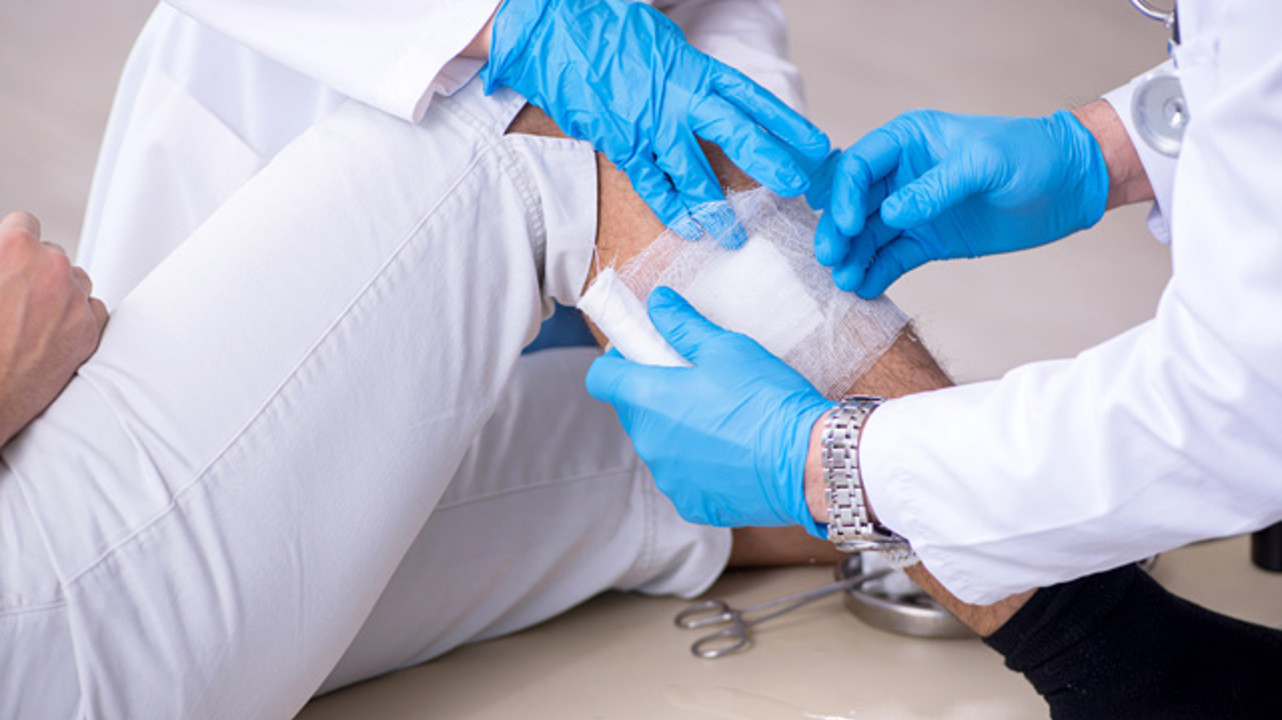
Many minor wounds can be managed at home, but deeper, contaminated or heavily bleeding wounds should be evaluated by a medical professional. Early treatment may reduce the risk of infection, tissue damage and delayed healing.
How Acute Wounds Heal
The body moves through several coordinated stages of healing. The timeline depends on the wound type, depth, location, contamination and the patient’s overall health.
Hemostasis
The body works to stop bleeding and form a clot at the wound site.
Inflammation
The immune response helps clean the wound and protect against infection.
Repair & Growth
New tissue begins to form as the wound closes and rebuilds.
Maturation
New tissue strengthens and remodels as healing continues over time.
Acute Wound Care FAQs
What is considered an acute wound?
An acute wound is a sudden injury to the skin or tissue, such as a cut, abrasion, puncture, avulsion or other traumatic wound that generally follows the normal stages of healing.
When should I seek medical care for a wound?
Seek professional care for deep wounds, uncontrolled bleeding, contaminated wounds, severe pain, exposed tissue, or signs of infection such as increasing redness, warmth, swelling or drainage.
Can a minor wound become infected?
Yes. Even small wounds can become infected if bacteria enter the damaged tissue, which is why appropriate cleaning, protection and monitoring are important.
How long does an acute wound take to heal?
Healing can take anywhere from several days to several weeks depending on the type, size, depth, location and overall health of the patient.
What can slow down wound healing?
Infection, poor circulation, diabetes, repeated trauma, smoking, poor nutrition and certain medications or medical conditions can interfere with normal healing.
What if my wound is not getting better?
If a wound is not showing steady signs of healing, becomes more painful, or develops drainage, swelling or redness, it should be evaluated by a wound care professional.