
In the United States, a gastric band typically runs about $11,025 to $25,992, and in the UK private market it's usually about £5,000 to £8,000. That's the typical range before you start asking what the quote includes.
The reason the spread is so wide is simple. A gastric band price can include the device, the operating room, anesthesia, surgeon time, pre-op clearance, and follow-up fills, or it can leave half of that off the page. If you want the actual number, you have to read the quote like a contract, not like a brochure.
Table of Contents
- What Patients Are Quoted Versus What They Pay for a Gastric Band
- What a Gastric Band Is and Why the Procedure Is Built Around Follow-Up
- Inside the Quote What Goes Into a Gastric Band Price
- How Prices Compare Across the United States the United Kingdom and Abroad
- How to Read a Bundled Package and Spot What Is Missing
- Insurance, Financing, and Out-of-Pocket Costs That Move Your Final Number
- Is a Gastric Band Worth the Cost Compared With Other Weight Loss Surgeries
- Key Questions to Ask Before You Sign and What Long-Term Costs to Plan For
What Patients Are Quoted Versus What They Pay for a Gastric Band
A gastric band quote is only useful if you can see what sits inside it. In the U.S., self-pay figures vary widely, from about $11,025 to $25,992, with some price transparency summaries putting the figure closer to $15,165 or $36,571 from a U.S. price transparency overview. In the UK private market, the quote is usually lower, but the gap still depends on facility choice and how much follow-up is included as shown in private pricing guidance.
The first number is rarely the final bill. A clinic can fold in the operating room, anesthesia, surgeon time, or post-op support, or leave those items for later. If you want a fair read on the price, compare the quote line by line and ask what happens after surgery.
If the clinic avoids that breakdown, push back. The bill is built from more than the band itself, and patients comparing obesity medical expenses quickly see why a single headline number can hide real costs.
Typical 2026 Gastric Band Price Ranges by Country
| Country | Low | High | Typical Range |
|---|---|---|---|
| United States | $11,025 | $25,992 | $11,000 to $25,000 |
| United Kingdom | £5,000 | £8,000 | £5,000 to £8,000 |
Practical rule: If a clinic gives you one number and refuses to spell out what happens after surgery, assume the number is incomplete.
Ask for the device cost, surgeon fee, anesthesia, operating room charges, and follow-up policy in writing. If those pieces are not separated, the quote is doing too much hiding and not enough explaining.
What a Gastric Band Is and Why the Procedure Is Built Around Follow-Up
A laparoscopic adjustable gastric band is an inflatable silicone ring placed around the upper stomach to create a small pouch. It limits how much food fits at one time, so patients feel full sooner. The band connects by tubing to a port under the skin, and the surgeon uses that port to adjust restriction over time.
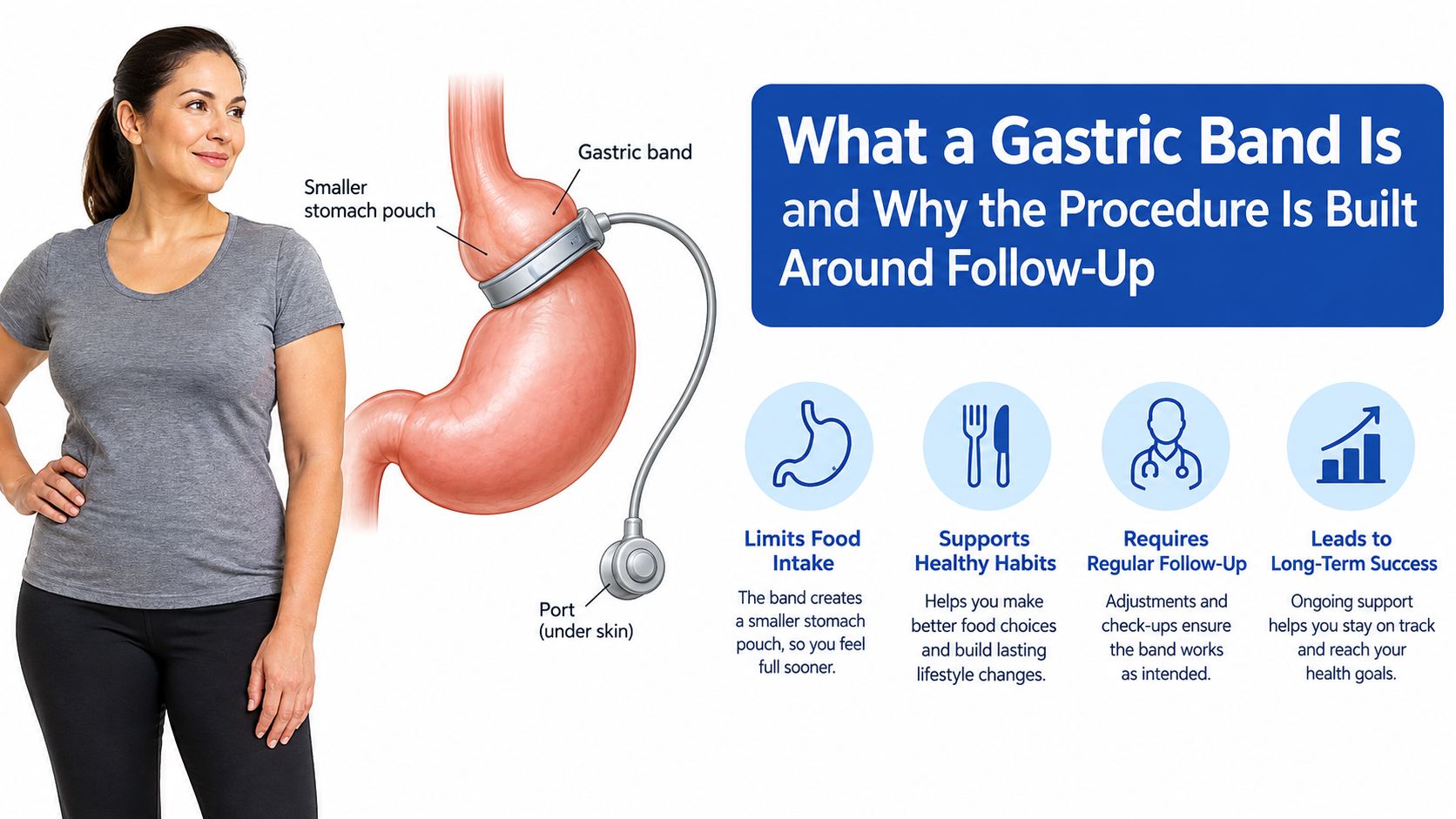
A gastric band works differently from a sleeve gastrectomy or a Roux-en-Y bypass. A sleeve removes part of the stomach, and a bypass reroutes food past a portion of the digestive tract. A band leaves the stomach in place and changes capacity mechanically, which is why the full cost keeps showing up after the operating room visit.
Why fills are part of the procedure, not a bonus
The band is adjusted by adding or removing saline through the port in office visits called fills. Too little fluid, and the band may not create enough restriction to matter. Too much, and patients can develop vomiting, discomfort, or slippage risk, so follow-up is part of the treatment plan.
That is the piece many buyers miss when they compare quotes. A lower upfront number can look attractive only because it assumes little follow-up. This device is built for adjustment, and the port visits are part of what you are buying.
The clinical reason is simple. The band has to be tuned to the patient. Some people need a tighter setting, some need a small release, and some need repeat checks before the restriction is right.
Bottom line: Budget for the port visits the same way you budget for the surgery itself.
That is why a gastric band quote should never be read as a one-day charge. It has to cover the surgery, the adjustment process, and the care that keeps the band working the way it should. If the quote leaves out the follow-up plan, it is missing the main point of the procedure.
Inside the Quote What Goes Into a Gastric Band Price
A gastric band quote that looks simple usually isn't. The surgeon's fee is only one piece. The full bill also covers anesthesia, operating room time, the device itself, pre-op clearance, and post-op follow-up. That is why bundled admission costs in the U.S. have commonly sat around $15,000 to $20,000 for LAGB, while a self-pay example came in around $14,000 with physician and anesthesiology charges included per an academic cost analysis.
The line items that should be visible
A clean quote should spell out each part of the price:
- Surgeon fee, the charge for placing the band.
- Anesthesiology fee, often separate unless the package clearly says otherwise.
- Operating room or facility fee, usually a major share of the total.
- Device cost, the band and related implant materials.
- Pre-op workup, including labs and psychological clearance.
- Immediate post-op care, medication and early visits.
- Fills, because the band is meant to be adjusted after surgery.
The hidden costs are usually where quotes get padded. Assistant surgeon fees, implant warranties, complication coverage, and “lifetime management” programs can all push the number higher. If a clinic says the price includes everything, ask for a written list that defines everything.
Read the package the way a patient reads a procedure quote. This kind of fee breakdown is similar to how careful patients inspect procedure packages before agreeing to treatment plans on this kind of procedure quote review. A low number is only useful if it includes the actual work the band requires.
A quote that covers only surgery and one follow-up is a teaser. A quote that includes several fills and post-op checks is much closer to the true cost of care.
Push back hardest on: anesthesia, fills, imaging, revision coverage, and any vague “administrative” fee that is not clearly defined.
A realistic example makes the risk plain. A $15,000 package can look manageable until extra fills, symptom imaging, or a minor revision enters the picture. That is how a supposedly simple quote turns into a much larger spend over the first couple of years.
How Prices Compare Across the United States the United Kingdom and Abroad
A gastric band quote can look very different from one market to the next because clinics package different things into the number. In the U.S., one quote may reflect a hospital stay, another an ambulatory center, and another a bare-bones self-pay setup. The ranges in the table above already show how wide that spread can be. Local facility fees, staffing, and whether follow-up is included are the main drivers.
The UK works differently, but the same rule applies. Private clinics in Central London tend to advertise higher package prices than regional hospitals, and that usually tracks heavier facility costs and more bundled support. NHS-funded banding, where available, is a separate path, because eligibility and waiting lists matter more than a cash quote.
Gastric Band Price Comparison by Region 2026 estimates
| Region | Typical Price Range | Currency | Usually Includes | Watch Out For |
|---|---|---|---|---|
| United States | $11,000 to $25,000 | USD | Surgery, facility, anesthesia, some follow-up | Fills, revision, imaging, removal |
| United Kingdom private | £5,000 to £8,000 | GBP | Surgery and some aftercare | Separate adjustment fees, limited follow-up |
| Medical tourism markets | lower headline cash price | local currency or USD | Procedure only, sometimes hotel coordination | Flights, travel, revision, return fills |
The cheapest quote outside your home market can be a trap. Travel adds cost, but the bigger problem is access. If you need fills later, you either pay to go back or find a local clinician who is willing to manage a band they did not place.
That is why currency conversion and follow-up access matter more than the brochure number. A low headline price that leaves you stranded is not a bargain. A slightly higher quote with dependable aftercare can be the cheaper choice over time.
How to Read a Bundled Package and Spot What Is Missing
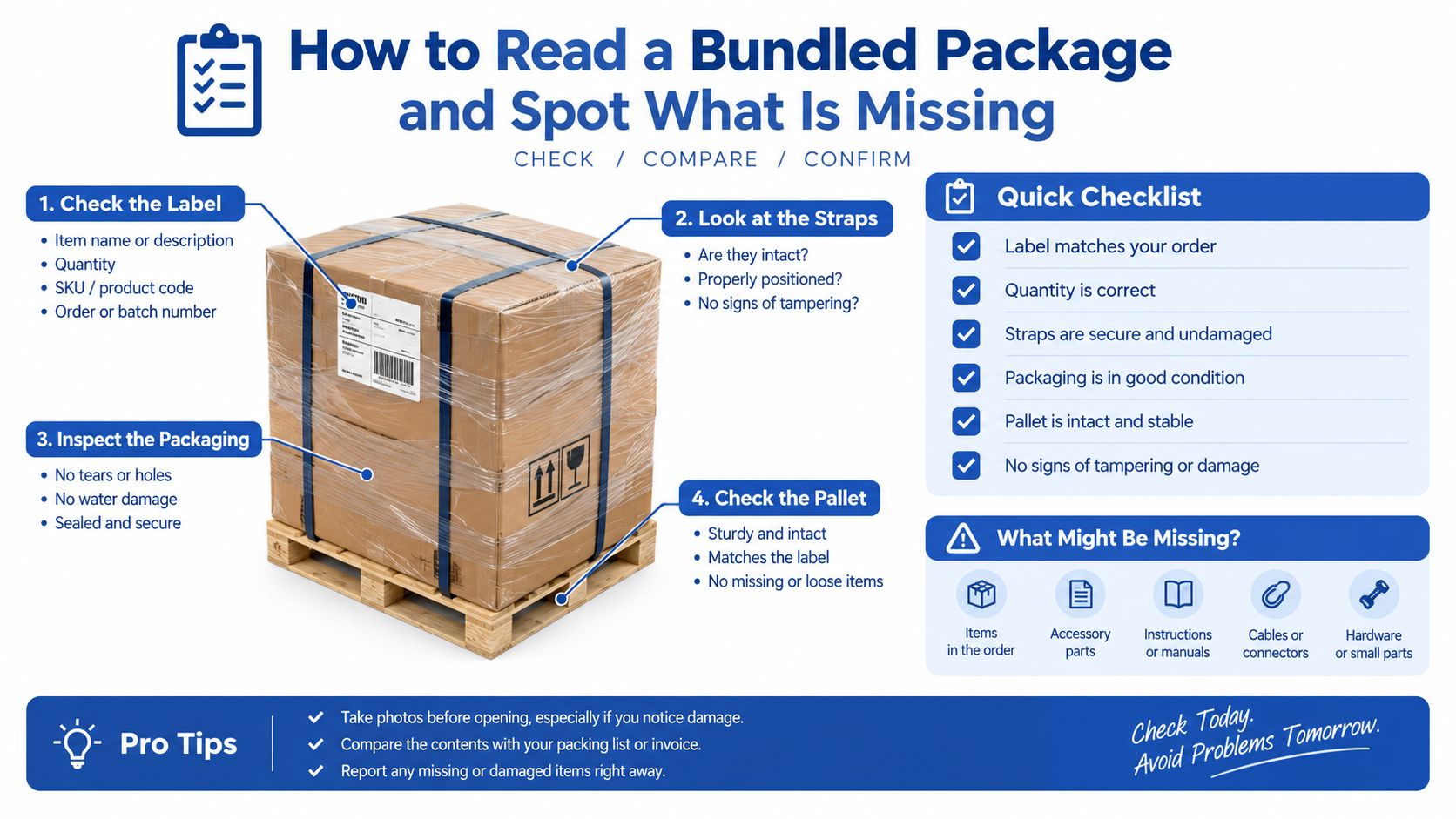
Bundled pricing feels cleaner, and that's exactly why it can be dangerous. Patients like one headline number because it's easy to compare, but a low flat fee can hide a very short list of inclusions. If you don't read the fine print, you're comparing promises, not prices.
Ask what the bundle actually covers
A decent package should spell out whether it includes:
- Pre-op consultation and clearance, including dietitian and psychological review.
- Testing, such as bloodwork, ECG, and imaging if needed.
- The Lap-Band device itself, not just the surgeon's act of placing it.
- Facility and anesthesia fees, with no separate billing surprise.
- Early post-op visits, usually one or two.
- A set number of fills, with a clear definition of what counts as a fill.
What's often excluded is where the bill grows. Extra fills past the included count, endoscopy for slippage or erosion, removal or conversion surgery, readmission for complications, nutrition supplements, and lab work for deficiencies can all sit outside the bundled quote. If a clinic says “aftercare included,” ask whether that means unlimited visits or only a narrow window.
The questions that shut down vague pricing
- Is every fill included for a fixed period, or only the first few?
- If the band needs to be removed, is that priced separately?
- Are imaging and endoscopy part of the package if symptoms come up?
- Does the quote include anesthesia, facility, and surgeon fees in full?
- What happens if the first year requires more follow-up than expected?
You want direct answers, not marketing language. A quote that stays silent on revisions is incomplete. A quote that dodges follow-up details is worse than incomplete, it's a setup for surprise billing.
Insurance, Financing, and Out-of-Pocket Costs That Move Your Final Number
The number that matters most is your out-of-pocket share. In the U.S., bariatric surgery is often covered when BMI and obesity-related health criteria are met, and prior authorization may require a documented supervised diet period before approval the general coverage pattern is summarized in bariatric insurance guidance. That is why the sticker price is often not what you end up paying.
Network status changes the bill fast. A surgeon, hospital, or anesthesia team that is out of network can push your cost up even when the procedure itself is covered. Deductibles, co-insurance, and out-of-pocket maximums all affect the final total, so the question is not just, “Do you take my insurance?” It is, “What will I owe after benefits are applied, and is every part of the team in network?”
Cash pay brings its own traps. Financing can close the gap, but payment plans, medical loans, promotional offers, and personal borrowing can make a surgery look affordable while raising the total once interest is added. Tax-advantaged funds can help with deductible and co-insurance costs, but they do not erase the price of surgery.
Review smart financing questions for surgical care before you sign anything.
Practical rule: Model the full two-year cost, not the first monthly payment.
That full view should include the procedure, follow-up, and any adjustment visits. If a payment plan lowers the monthly hit but raises the total, pass on it. Cheap monthly payments do not matter if the surgery still costs too much in the end.
Is a Gastric Band Worth the Cost Compared With Other Weight Loss Surgeries
A gastric band can look like the cheapest bariatric option at first glance, but that first quote is usually the least honest number in the room. The band used to be more common, and it now accounts for under 5% of U.S. bariatric cases. As noted in the research brief and historical review, that drop reflects a simple reality, the band demands more follow-up and carries more risk that the long-term bill grows after the original surgery.
Sleeve gastrectomy and Roux-en-Y bypass usually cost more up front, yet many patients prefer them because they do not depend on repeated band adjustments. A band may save money on day one, then cost more over time if you need frequent fills, removal, or conversion surgery. That is the tradeoff to press on hard before you sign. If a quote only highlights the surgery date and skips the maintenance burden, it is incomplete.
Gastric Band vs Sleeve vs Bypass vs Balloon Cost and Follow-Up
| Procedure | US Price Range | Avg. Excess Weight Loss | Year-1 Follow-Ups | 10-Year Revision Risk |
|---|---|---|---|---|
| Gastric band | $11,000 to $25,000 | lower and more variable than sleeve or bypass | ongoing fills | higher if failure or intolerance develops |
| Sleeve gastrectomy | higher upfront | generally stronger than banding | fewer device-related visits | lower than banding |
| Roux-en-Y bypass | higher upfront | generally strong and durable | structured follow-up | lower than banding |
| Gastric balloon | temporary and non-surgical | typically less durable | short-term monitoring | balloon removal is expected |
That table is the cleaner way to read the market. A band quote that looks attractive can still be the wrong choice if it leaves out the cost of return visits, adjustments, or future revision. By contrast, sleeve and bypass are usually easier to budget for because the follow-up pattern is more predictable.
For patients who are still comparing options, bariatric surgery preparation tips help you sort the key question from the sales pitch. The question is not whether the band is the lowest starting price. It is whether you are willing to keep paying for a device that needs supervision.
My view is blunt. If you want the cheapest surgical quote, the band can win on paper. If you want the better financial bet over time, sleeve or bypass usually makes more sense unless reversibility matters enough to justify the extra upkeep.
Key Questions to Ask Before You Sign and What Long-Term Costs to Plan For
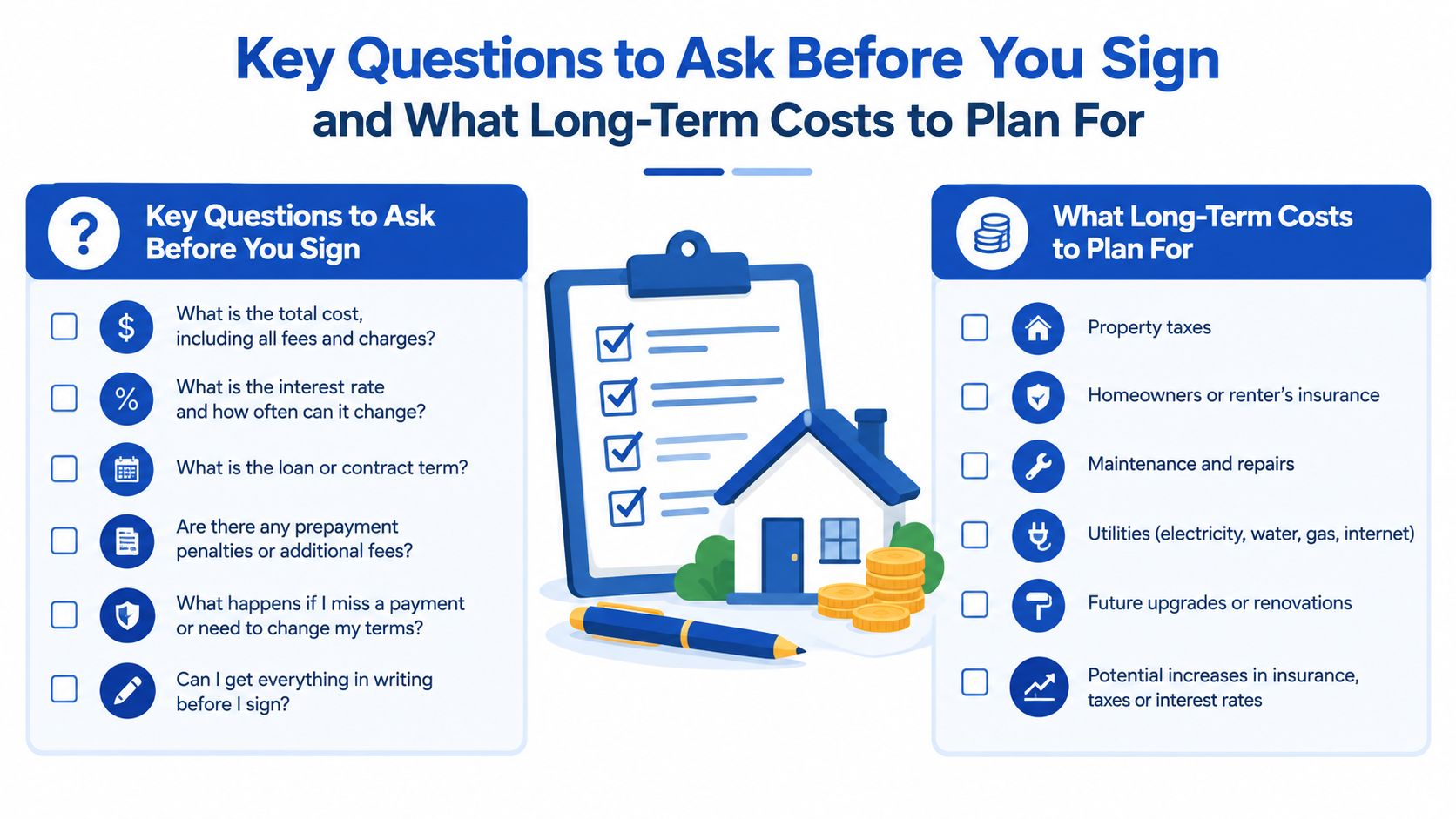
Ask these before you commit: What happens if the device fails? Are fills bundled or billed separately? Is there an ER port-access fee? Is removal priced separately? If the answers are vague, walk away. A quote that hides the back end is not a quote you can trust.
Plan for the long tail too. Fills can cost money each time, fluoroscopy can add cost, labs and vitamin checks may recur, and a failed band can lead to removal or conversion surgery. If recovery gets complicated, post-surgical wound care basics can help you understand what proper healing support should look like after the procedure.
FAQ
How often are adjustments needed? It varies, but fills are part of normal band management, not an exception.
How much does removal cost? Removal or conversion can become a major added expense if it is not already included.
Is the band reversible? Yes, it can be removed, but reversible does not mean free or simple.
If you are comparing quotes, bring these questions to every consult and ask for a written breakdown before you pay a deposit. And if you want a clearer look at procedure planning, aftercare, and recovery costs, Vein and Wound Institute offers patient resources that help you focus on the actual number, not just the headline price.