
Wound Infections
A wound infection can develop when bacteria or other microorganisms enter damaged tissue and begin interfering with the body's normal healing process.
Any open wound can become infected, including diabetic ulcers, venous leg ulcers, pressure injuries, surgical wounds and traumatic wounds. Infection may remain localized around the wound or, in more serious cases, spread into deeper tissue or the bloodstream.
Prompt evaluation is important when a wound becomes increasingly painful, red, swollen, warm or begins producing abnormal drainage.
Schedule a Wound Evaluation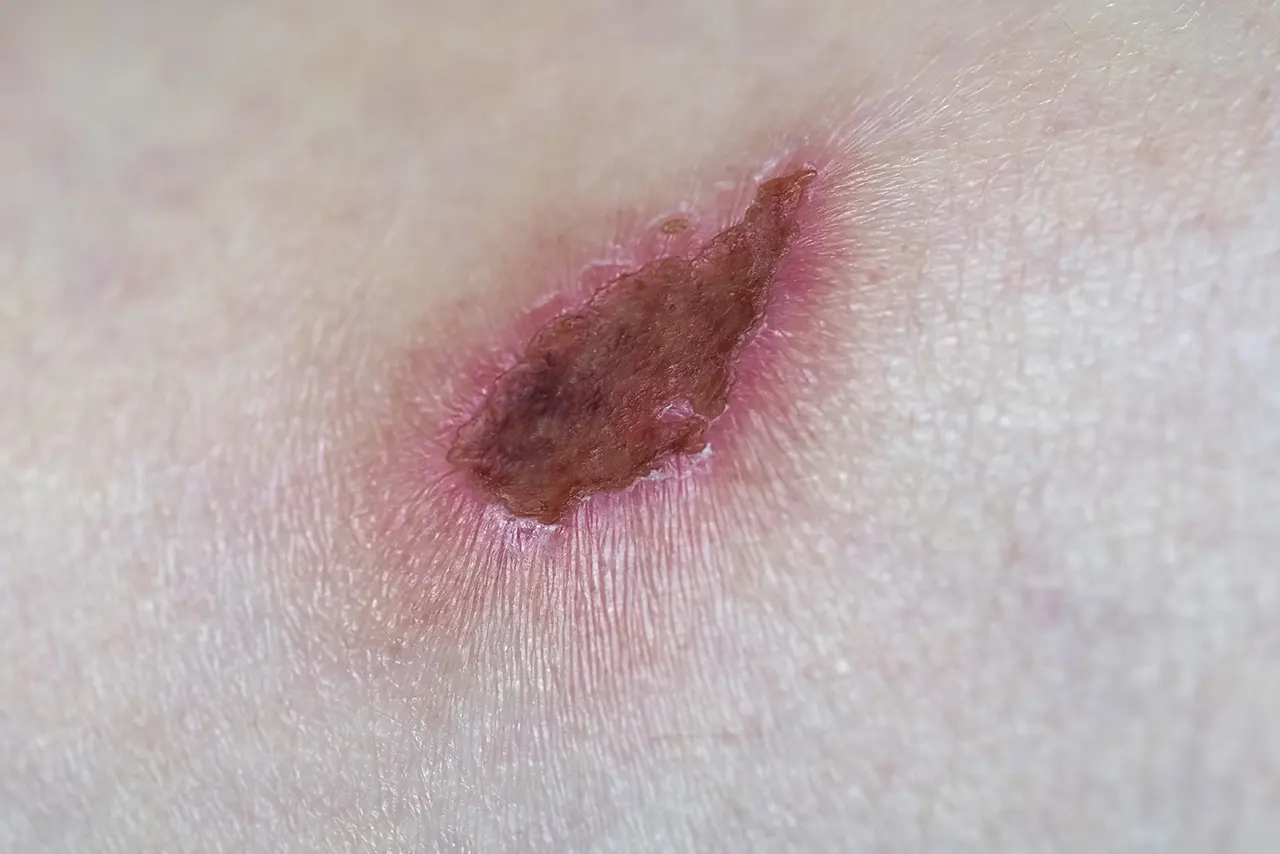
How Does a Wound Become Infected?
The skin normally acts as a protective barrier against bacteria. When the skin is damaged, microorganisms can enter the tissue through the open wound.
The body's immune system often controls this contamination, but infection can develop when bacteria multiply faster than the body can manage them or when wound-healing conditions are poor.
Open Skin
A break in the skin creates an entry point for bacteria and other microorganisms.
Contamination
Dirt, foreign material, drainage or environmental exposure may introduce bacteria into injured tissue.
Reduced Defenses
Diabetes, poor circulation and other medical conditions can make it harder for the body to control bacteria.
Tissue Damage
Dead or poorly perfused tissue can provide an environment where bacteria are more difficult for the body to eliminate.
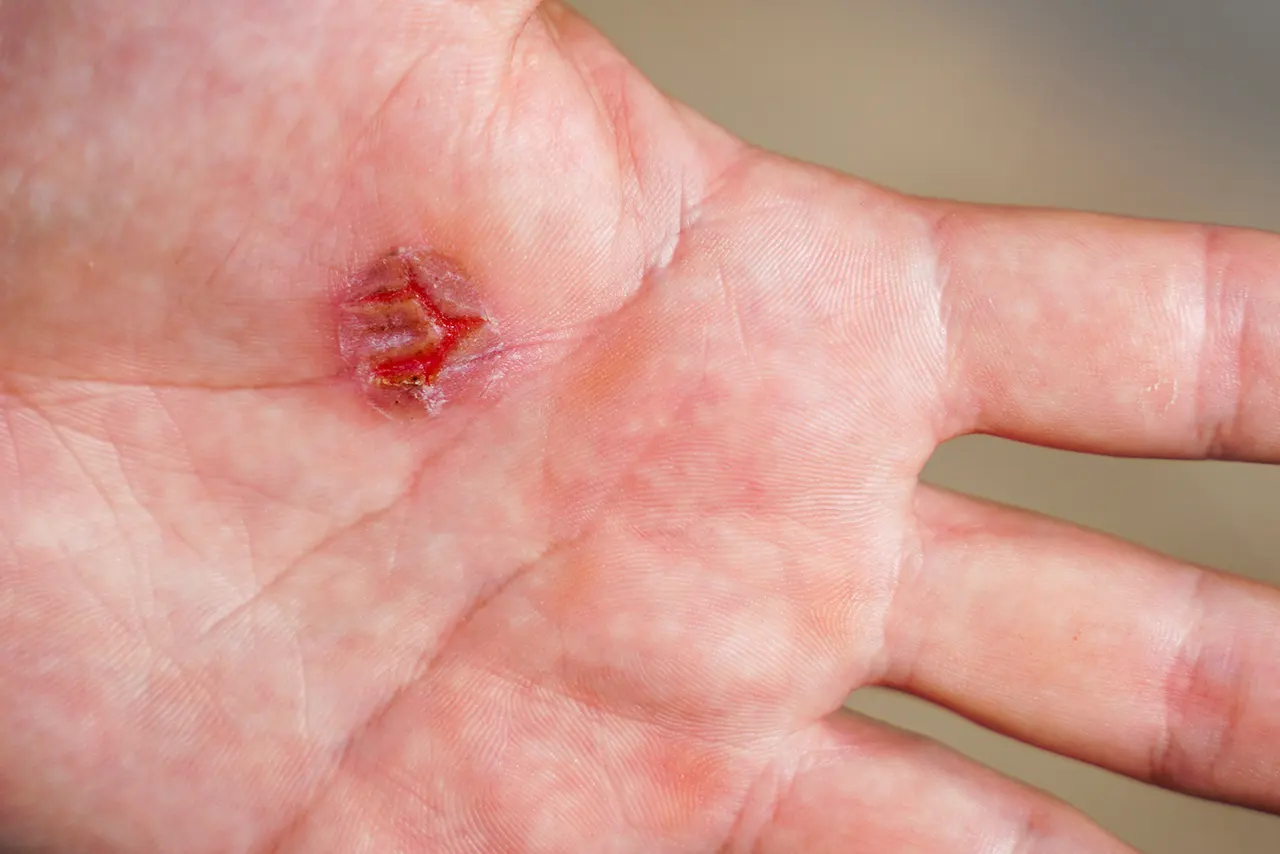
How Can You Tell if a Wound Is Infected?
Some redness, tenderness and drainage can occur during normal healing. Infection becomes more concerning when symptoms are increasing, spreading or developing after the wound had previously been improving.
Who Is More Vulnerable to Wound Infection?
Any open wound can become infected, but certain conditions can increase the likelihood of infection or make an existing infection more difficult to control.
Diabetes
Diabetes can affect immune function, circulation and sensation, increasing the risk of wound complications.
Poor Circulation
Reduced blood flow can limit delivery of oxygen, immune cells and medications to infected tissue.
Chronic Wounds
Wounds that remain open for extended periods are continually exposed to bacteria and may become more vulnerable to infection.
Dead Tissue
Necrotic tissue can interfere with healing and may support bacterial growth within a wound.
Foreign Material
Debris, sutures, fragments or other material within a wound can sometimes contribute to persistent inflammation or infection.
Weak Immune System
Illnesses or medications that suppress immune function can reduce the body's ability to fight infection.
Pressure
Repeated pressure can damage tissue and restrict circulation, increasing the risk of breakdown and infection.
Poor Nutrition
Inadequate nutrition can affect immune function and the body's ability to repair injured tissue.
Determining the Extent of the Infection
A wound-care evaluation looks at the wound itself as well as the health conditions that may be contributing to infection or preventing normal healing.
Examine the Wound
The wound is evaluated for redness, swelling, drainage, odor, tissue quality, depth and surrounding skin changes.
Assess the Patient
Temperature, symptoms and overall health are reviewed to determine whether infection may extend beyond the wound.
Additional Testing
Testing may be ordered when needed to identify organisms, evaluate deeper infection or assess underlying circulation.
Create a Treatment Plan
Treatment is selected based on infection severity, wound type, underlying health and clinical findings.
Local Infection vs. Spreading Infection
Some wound infections remain limited to the local tissue, while others can spread through surrounding skin, deeper structures or the bloodstream.
Localized Infection
Redness, pain, drainage or odor may remain concentrated around the wound itself.
Cellulitis
Infection can spread into surrounding skin and soft tissue, producing increasing redness, warmth, pain and swelling.
Deeper Infection
Some wounds can involve deeper soft tissue or bone and may require more intensive medical treatment.
Systemic Infection
Serious infection can spread beyond the wound and cause fever, rapid heart rate, confusion or other signs of systemic illness.
A rapidly spreading infection, fever, confusion, severe weakness, difficulty breathing or other signs of serious illness require urgent medical evaluation.
Controlling Infection & Supporting Healing
Treatment depends on the severity and depth of the infection. Managing the infection is only part of the process. The wound environment and underlying causes must also be addressed so healthy tissue can recover.
Antibiotics are not automatically required for every wound. Treatment depends on whether clinical infection is present, its severity and whether infection extends into surrounding or deeper tissue.
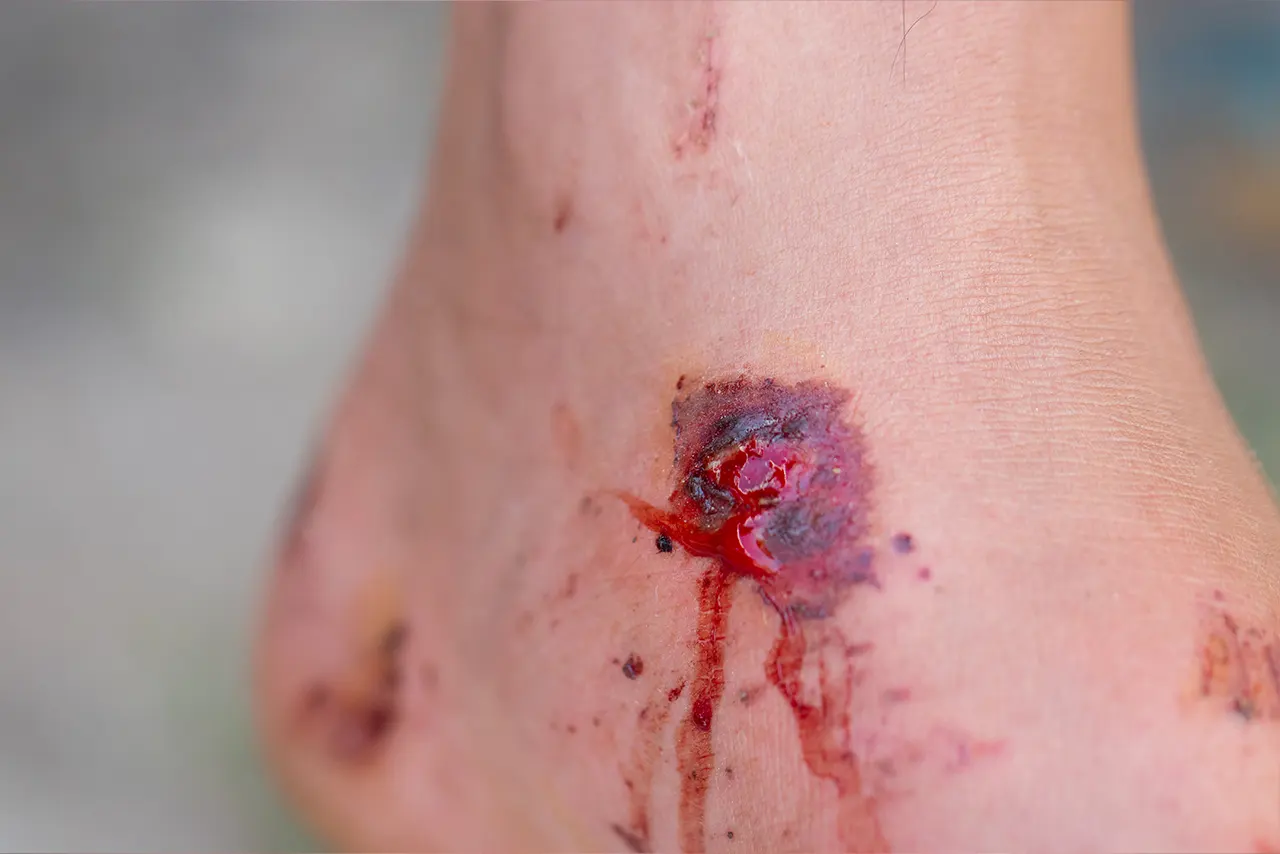
The Role of Debridement
Dead or unhealthy tissue can make an infected wound more difficult to treat. When clinically appropriate, debridement may be used to remove tissue that is interfering with healing.
Remove Necrotic Tissue
Dead tissue can prevent healthy tissue from developing and may conceal the true depth of a wound.
Reduce Debris
Removing debris and unhealthy material can help create a cleaner wound environment.
Improve Assessment
A cleaner wound bed allows clinicians to better evaluate tissue health, wound depth and healing progress.
Support Healing
Appropriate debridement may help prepare the wound bed for healthy granulation tissue and additional wound therapies.
Why Did the Wound Become Infected?
Infection often develops in a wound that already has another barrier to healing. Treating the infection without addressing the underlying problem may allow the wound to remain open or repeatedly become infected.
Venous Disease
Venous hypertension and swelling can contribute to persistent lower-leg wounds that remain vulnerable to infection.
Arterial Disease
Insufficient blood flow can limit tissue healing and reduce the body's ability to fight infection effectively.
Pressure
Continuous pressure can repeatedly damage tissue and prevent an infected wound from recovering.
Diabetes
Blood sugar control, neuropathy and circulation all play important roles in the treatment of infected diabetic wounds.
Protecting a Wound From Infection
Good wound care and management of underlying medical conditions can help reduce the risk of infection while tissue heals.
Keep the Wound Clean
Follow wound-cleansing and dressing instructions provided by your healthcare team.
Protect the Dressing
Keep dressings intact and change them according to the prescribed wound-care plan.
Monitor Changes
Watch for increasing redness, drainage, odor, pain or other changes rather than waiting for symptoms to become severe.
Manage Health Conditions
Good diabetes control, circulation management, nutrition and pressure relief can all support wound healing.
Do Not Ignore a Worsening Wound Infection
Wound infections can progress quickly in some patients, especially those with diabetes, poor circulation or weakened immune systems.
Spreading Redness
Redness extending farther away from the wound may indicate spreading infection.
Fever or Chills
Systemic symptoms may indicate that an infection is extending beyond the local wound.
Rapidly Increasing Pain
Significant new or escalating pain can indicate worsening inflammation, infection or tissue damage.
Dark or Dying Tissue
Blackening, blistering or rapidly changing tissue requires urgent medical assessment.
Seek urgent medical care for rapidly spreading redness, fever, confusion, severe pain, rapidly worsening tissue, red streaking or other signs of serious infection. Call emergency services for severe systemic symptoms.
Wound Infection FAQs
How do I know if my wound is infected?
Signs may include increasing redness, warmth, swelling, pain, cloudy or pus-like drainage, foul odor, delayed healing or fever. Symptoms that are worsening rather than improving should be evaluated.
Can an infected wound heal on its own?
Minor contamination does not always become a true infection, but a clinically infected wound may require treatment. Waiting can allow infection to spread or further damage tissue, particularly in patients with diabetes or circulation problems.
Do all infected wounds need antibiotics?
No. Treatment depends on the severity and type of infection. Some wounds require local wound care, while others may require systemic antibiotics or additional medical treatment.
Why is debridement used for infected wounds?
Debridement removes dead, damaged or unhealthy tissue that may interfere with healing. It can also allow the wound bed to be evaluated more clearly and support healthier tissue development.
Can diabetes make a wound infection more serious?
Yes. Diabetes may affect circulation, sensation, immune response and wound healing, which can make infections harder to detect and more difficult to resolve.
When is a wound infection an emergency?
Seek urgent or emergency care for rapidly spreading redness, severe worsening pain, fever with significant illness, confusion, rapidly changing tissue, red streaks or other signs that infection may be spreading.