
Post-Surgical Wounds
Most surgical incisions heal normally with appropriate postoperative care, but some wounds may become delayed, infected, separated or otherwise difficult to heal.
Post-surgical wound complications can occur after minor procedures as well as more extensive operations. When an incision is not progressing as expected, specialized wound care can help identify the factors interfering with healing and create a treatment plan designed around the wound.
Early evaluation is especially important when there is increasing drainage, wound separation, persistent redness, tissue breakdown or other concerning changes.
Schedule a Wound Evaluation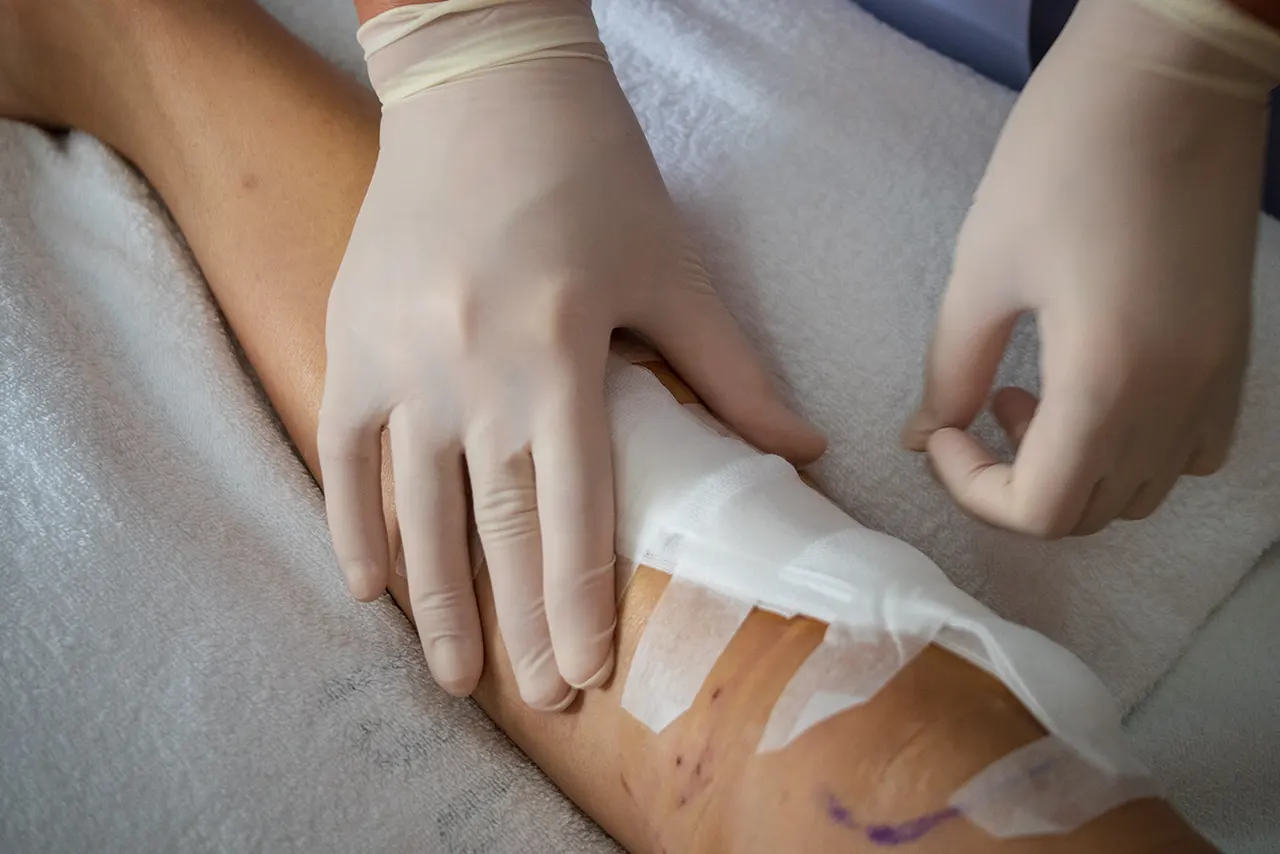
How a Surgical Incision Heals
Surgical wounds normally progress through several overlapping stages of healing. The body first controls bleeding and inflammation, then develops new tissue and gradually strengthens the repaired area.
Healing time varies depending on the procedure, incision size, location, medical history and the patient's overall health.
Inflammatory Phase
The body's initial response helps control bleeding and begins clearing damaged tissue and contaminants from the area.
New Tissue Formation
New blood vessels and connective tissue begin filling and supporting the healing incision.
Skin Closure
New skin cells migrate across the wound surface while deeper tissues continue repairing.
Remodeling
The repaired tissue gradually reorganizes and becomes stronger over the weeks and months following surgery.

Common Post-Surgical Wound Problems
A surgical incision may encounter complications when infection, pressure, fluid accumulation, poor circulation or other factors interfere with the normal healing process.
Why a Surgical Wound May Need Additional Care
Postoperative wound problems can develop for different reasons. Identifying the underlying problem helps determine which treatment approach is most appropriate.
Wound Dehiscence
An incision may partially or completely separate when the wound edges fail to remain closed during healing.
Infection
Bacteria within a surgical wound may cause increasing redness, tenderness, drainage, odor or other signs of infection.
Fluid Collection
Seromas or other fluid collections may develop beneath or near a surgical incision and sometimes interfere with healing.
Tissue Breakdown
Pressure, poor circulation, excessive tension or tissue injury can contribute to wound-edge breakdown or tissue loss.
What Can Affect Surgical Wound Healing?
Successful healing depends on local wound conditions as well as the patient's overall health. Some medical and lifestyle factors can make postoperative wounds more difficult to heal.
Diabetes
Elevated blood sugar and diabetes-related circulation or nerve problems may increase the risk of delayed healing.
Poor Circulation
Reduced arterial blood supply can limit the oxygen and nutrients available to healing tissue.
Smoking
Tobacco use can reduce tissue oxygenation and interfere with normal wound-healing processes.
Infection
Infection can damage healing tissue and may cause an incision to reopen or become chronically inflamed.
Nutrition
Healing requires adequate protein, calories, vitamins and other nutrients to support tissue repair.
Pressure or Tension
Excess pressure or pulling across an incision can place stress on newly healing tissue.
Medication
Certain medications or treatments may affect inflammation, immune response or the body's ability to repair tissue.
Underlying Illness
Chronic medical conditions may affect circulation, immunity, nutrition or other factors important to wound healing.
Finding Out Why the Wound Is Not Healing
Treatment begins with a detailed examination of the surgical wound and the conditions affecting the surrounding tissue.
Wound Assessment
The size, depth, wound edges, tissue quality, drainage and surrounding skin are carefully evaluated.
Infection Assessment
The wound is evaluated for redness, warmth, drainage, odor or other findings that may suggest infection.
Circulation Review
Vascular testing may be appropriate when poor arterial or venous circulation could be interfering with healing.
Healing Plan
Treatment is tailored to the wound itself and the medical factors preventing normal recovery.
Helping a Surgical Wound Move Forward
Treatment for a delayed surgical wound depends on the type of complication and the condition of the wound bed.
The goal is to control factors that interfere with healing, protect healthy tissue and create an environment that supports wound closure.
The appropriate treatment varies considerably between wounds. A small superficial separation may require very different care than a deep infected surgical wound.
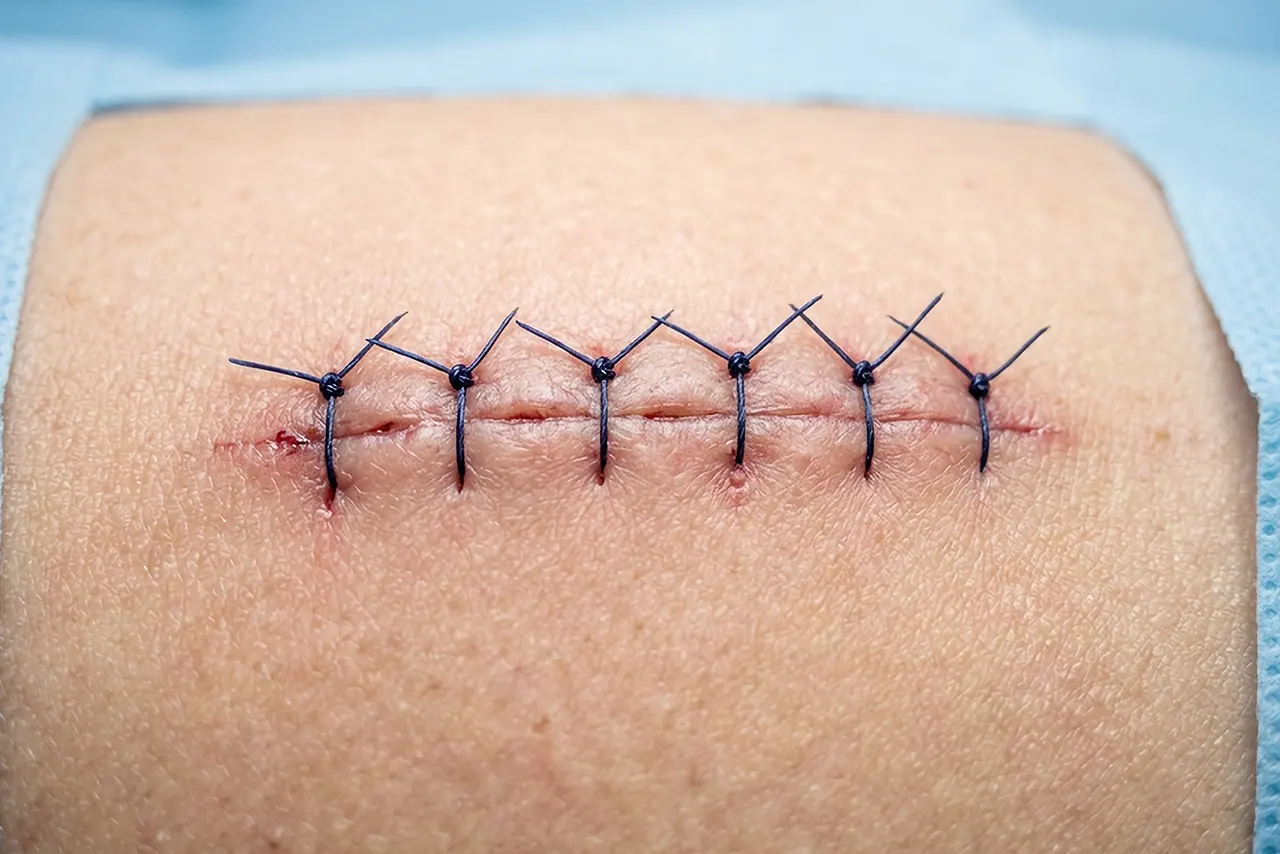
Options for Difficult-to-Heal Surgical Wounds
When standard wound care is not producing adequate progress, additional therapies may be considered depending on the wound and the patient's clinical needs.
Debridement
Removal of dead or unhealthy tissue may help prepare the wound bed for new tissue development.
Negative Pressure Therapy
Selected wounds may benefit from negative pressure wound therapy to manage drainage and support wound-bed formation.
Bioengineered Skin Products
Advanced biologic products may be considered for selected wounds that remain difficult to heal despite appropriate care.
Specialized Dressings
Modern wound dressings can help manage drainage, protect tissue and maintain an appropriate healing environment.
Do Not Ignore Changes in a Surgical Wound
Some postoperative symptoms require prompt communication with the surgical or medical team, particularly when the wound appears to be worsening rather than improving.
Increasing Redness
Redness that is spreading or becoming more intense may be a sign of inflammation or infection.
Wound Separation
An incision that begins opening or exposing deeper tissue should be medically evaluated.
Abnormal Drainage
Increasing, cloudy, bloody or foul-smelling drainage can indicate a wound complication.
Fever or Worsening Pain
Fever, chills or increasing pain may indicate infection or another postoperative complication.
Contact your surgeon or seek prompt medical care for a surgical wound that suddenly opens, develops spreading redness, produces significant or foul-smelling drainage, or is accompanied by fever or rapidly worsening pain. Severe bleeding or other emergency symptoms require immediate medical attention.
Working With Your Surgical Team
Specialized wound care does not replace postoperative care from the surgeon who performed your procedure. Complex surgical wounds may require coordination between the surgeon, wound-care provider and other specialists.
Surgical Follow-Up
Continue following the postoperative instructions and scheduled follow-up recommendations provided by your surgeon.
Wound Monitoring
Changes in wound dimensions, tissue quality, drainage and surrounding skin can help track healing progress.
Underlying Conditions
Diabetes, circulation problems and other medical issues may need to be addressed alongside local wound treatment.
Individualized Care
The wound-care plan can be adjusted over time based on healing progress and the condition of the surgical site.
Post-Surgical Wound FAQs
What is a post-surgical wound?
A post-surgical wound is an incision or tissue injury created during a surgical procedure. Most surgical wounds heal normally, but some may develop complications such as delayed healing, infection or wound separation.
Why would a surgical wound stop healing?
Delayed healing can be related to infection, poor circulation, diabetes, smoking, pressure, excessive tension on the wound, poor nutrition or other medical factors.
What is wound dehiscence?
Wound dehiscence occurs when part or all of a surgical incision separates after it has been closed. The severity can range from a small superficial opening to deeper wound separation.
How are difficult post-surgical wounds treated?
Treatment may include specialized dressings, debridement, infection management, drainage control, negative pressure wound therapy and other advanced treatments depending on the condition of the wound.
When should I be concerned about my surgical incision?
Contact your healthcare provider if the wound develops increasing redness, warmth, swelling, drainage, odor, worsening pain, wound separation or other unexpected changes. Fever or systemic symptoms may require prompt evaluation.
Can wound care work with my surgeon?
Yes. Complex surgical wounds may benefit from coordinated care between the operating surgeon, wound-care team and other specialists involved in managing circulation, diabetes, infection or other factors affecting healing.