
Lymphedema
Lymphedema is persistent swelling that develops when the lymphatic system cannot adequately move lymph fluid out of an area of the body.
The lymphatic system plays an important role in maintaining fluid balance and supporting the immune system. When lymph vessels or lymph nodes are damaged, blocked or underdeveloped, fluid can accumulate within the tissues.
Lymphedema commonly affects the legs or arms and may range from mild swelling and heaviness to more significant tissue and skin changes.
Schedule an Evaluation
What Is Lymphedema?
Your lymphatic system collects excess fluid, proteins and other materials from tissues and helps return them to the bloodstream.
When lymphatic drainage is disrupted, lymph fluid may accumulate beneath the skin. Over time, this can lead to persistent swelling, heaviness, tightness and changes in the affected tissues.
Fluid Accumulation
Lymph fluid builds up within the tissues when the lymphatic system cannot drain it efficiently.
Persistent Swelling
The affected leg, foot, arm or other area may remain enlarged or become progressively more swollen over time.
Tissue Changes
Long-standing lymphedema can cause the skin and underlying tissues to become firmer or thicker.
Infection Risk
Lymphedema can increase the risk of skin infections such as cellulitis in the affected area.
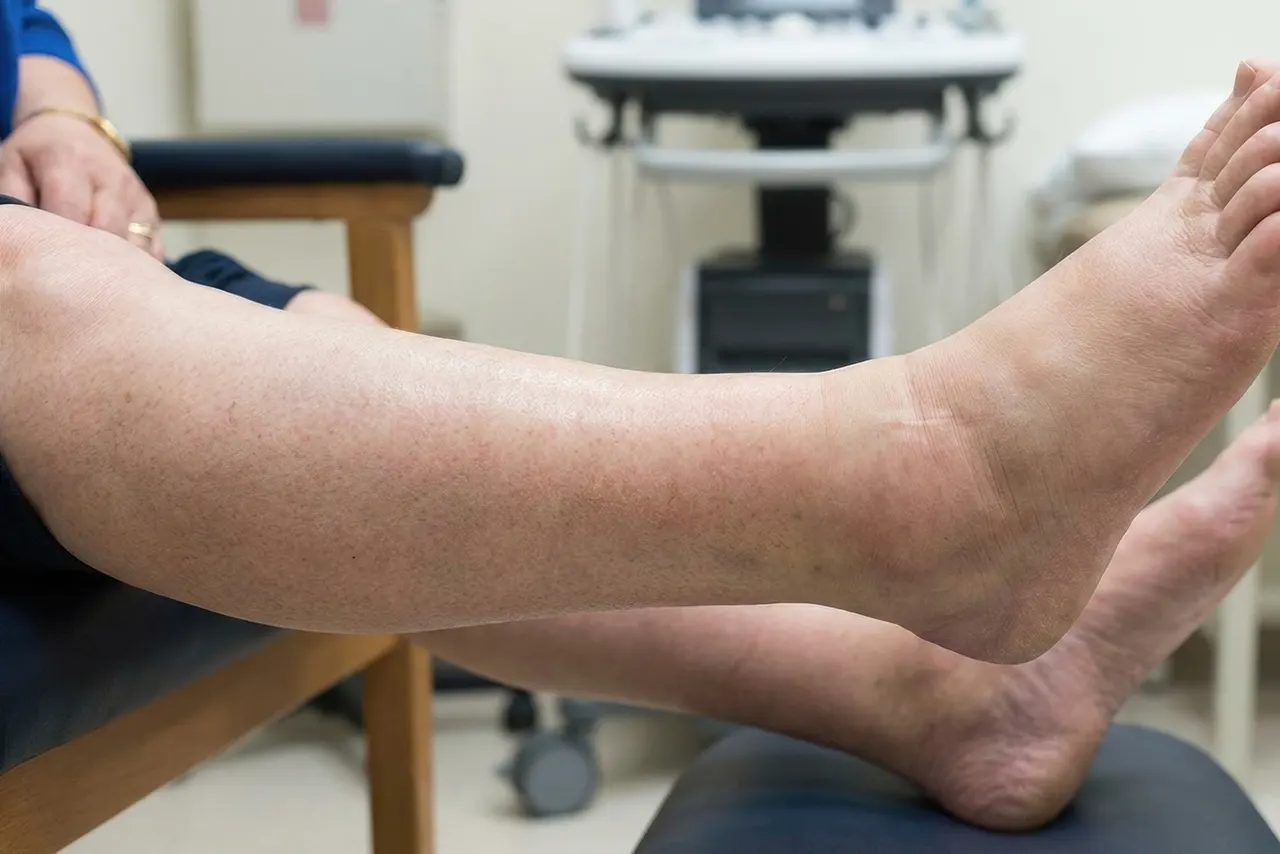
What Can Lymphedema Feel Like?
Symptoms may develop gradually and can vary considerably between patients. Early lymphedema may feel more like fullness or heaviness before obvious swelling becomes noticeable.
What Causes Lymphedema?
Lymphedema is generally classified as primary or secondary depending on why the lymphatic system is not functioning normally.
Primary Lymphedema
Primary lymphedema is associated with developmental or inherited abnormalities of the lymphatic system and may appear at different stages of life.
Surgery
Surgery involving lymph nodes or lymphatic vessels can disrupt drainage and contribute to secondary lymphedema.
Radiation or Trauma
Radiation therapy or physical injury may scar or damage lymphatic vessels and reduce normal lymph flow.
Other Conditions
Obesity, infection, tumors, vascular disease and other medical conditions may contribute to lymphatic dysfunction or chronic swelling.
Lymphedema Can Change Over Time
Lymphedema may begin with subtle symptoms and become more persistent as fluid accumulation and tissue changes progress.
Latent Stage
A patient may experience heaviness or tightness even though visible swelling is not yet obvious.
Early Swelling
Swelling becomes noticeable and may improve temporarily with elevation or rest.
Persistent Swelling
Swelling becomes more consistent and affected tissues may begin to feel firmer.
Advanced Changes
Significant swelling may be accompanied by more pronounced changes in skin texture and tissue thickness.
Evaluating Chronic Leg Swelling
Not every swollen leg is caused by lymphedema. Venous disease, blood clots, medications and heart, kidney or other medical conditions can also contribute to edema.
Evaluation focuses on identifying the cause of swelling and determining whether venous, lymphatic or other medical factors are involved.
Medical History
Your provider reviews when the swelling began, prior surgery or cancer treatment, infections, injuries and other medical conditions.
Physical Examination
The affected limb is examined for the pattern of swelling, tissue texture, skin changes and other clinical signs.
Vascular Testing
Duplex ultrasound may be used when venous disease or a blood clot needs to be evaluated as a possible contributor to swelling.
Additional Testing
Specialized imaging or additional medical evaluation may be recommended when the cause of swelling remains unclear.
Reducing Swelling & Supporting Lymphatic Flow
While lymphedema often requires ongoing management, treatment can help reduce swelling, improve comfort and decrease the risk of complications.
Management is individualized based on the severity of swelling, the underlying cause and the patient's overall health.
Management plans may change over time as swelling improves, progresses or responds to therapy.
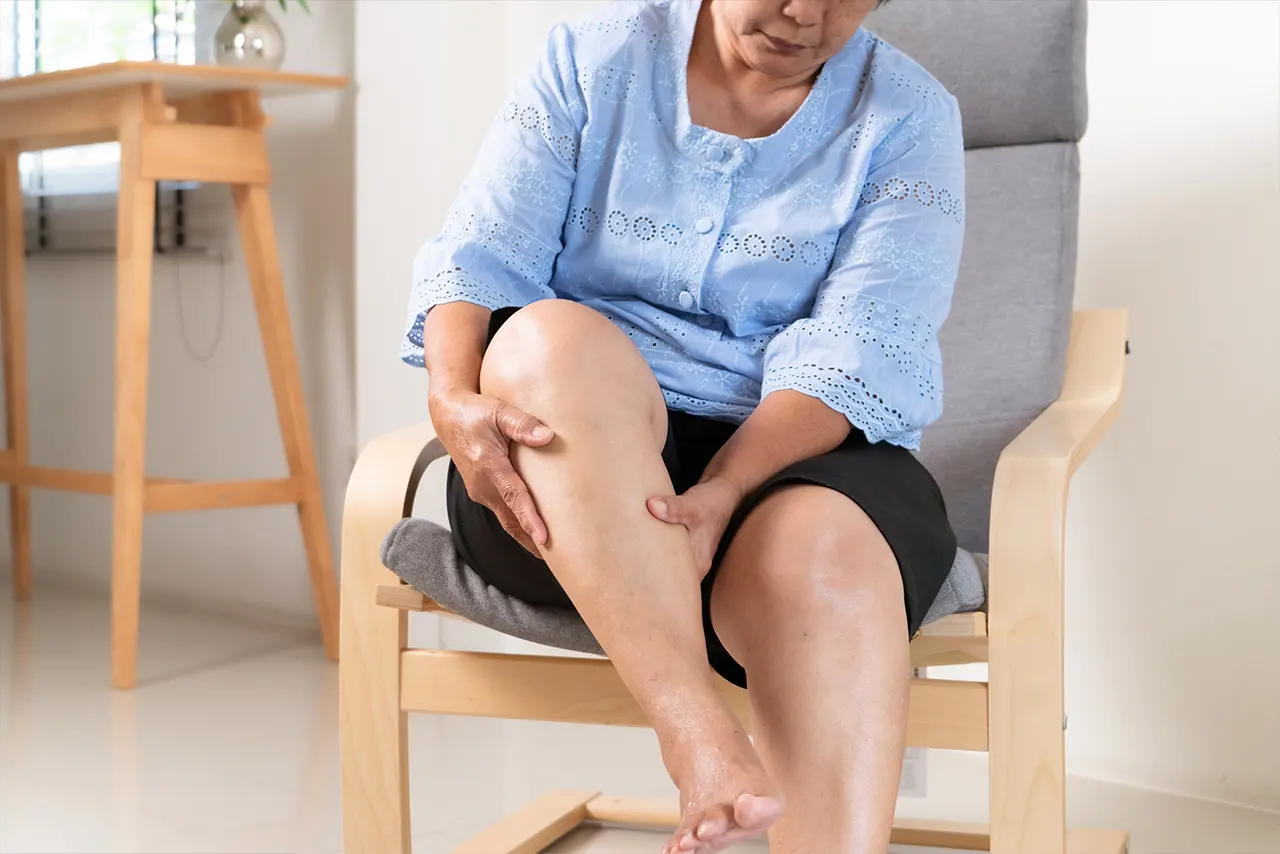
Sometimes More Than One System Is Involved
Venous circulation and lymphatic drainage work closely together to manage fluid in the legs.
Some patients with chronic venous disease can also develop lymphatic dysfunction. Determining whether swelling is predominantly venous, lymphatic or a combination of both helps guide treatment.
Treating venous reflux may help venous-related swelling, but true lymphedema often requires ongoing lymphatic management as well.
Lymphedema & Infection Risk
Persistent lymphatic swelling can increase the risk of skin infections because fluid buildup and tissue changes can affect the skin's normal protective function.
Protect the Skin
Keep the affected area clean and moisturized and avoid unnecessary cuts, burns or other injuries when possible.
Watch for Redness
Rapidly increasing redness, warmth or tenderness may indicate infection and should be evaluated promptly.
Monitor Wounds
Cuts, sores or wounds on a swollen limb should be monitored closely because impaired drainage may complicate healing.
Seek Medical Care
Fever, spreading redness or rapidly worsening swelling may require prompt medical attention.
Seek medical attention for new redness, warmth, increasing pain, fever or rapidly worsening swelling, as these may be signs of infection or another condition requiring treatment.
Lymphedema FAQs
What is lymphedema?
Lymphedema is swelling caused by an accumulation of lymph fluid when the lymphatic system is unable to drain fluid normally from an area of the body.
What does lymphedema feel like?
Lymphedema may cause swelling, heaviness, fullness, tightness, reduced flexibility and discomfort. Over time, the skin and tissues may become firmer or thicker.
What is the difference between lymphedema and regular leg swelling?
Leg swelling can have many causes. Lymphedema specifically involves impaired lymphatic drainage, while edema may also result from venous disease, medications, blood clots or other medical conditions.
Can venous insufficiency contribute to lymphedema?
Chronic venous disease can increase fluid pressure within the tissues and may place additional demand on lymphatic drainage. Some patients can have both venous and lymphatic causes of swelling.
How is lymphedema treated?
Management may include compression garments or bandaging, exercise, manual lymphatic drainage, skin care and, in selected patients, pneumatic compression devices or other specialized therapies.
Can lymphedema be cured?
There is currently no simple cure for most forms of lymphedema, but appropriate treatment can help control swelling, reduce discomfort and lower the risk of complications.