Leg Swelling
Persistent swelling in the legs or ankles may be more than temporary fluid retention. In some patients, it can be a sign that the veins are struggling to move blood efficiently back toward the heart.
Leg swelling, also called edema, occurs when fluid accumulates in the tissues. While there are many possible causes, chronic venous insufficiency is a common vascular cause of lower-extremity swelling.
Identifying why your legs are swelling is important because effective treatment depends on addressing the underlying problem rather than the swelling alone.
Schedule an Evaluation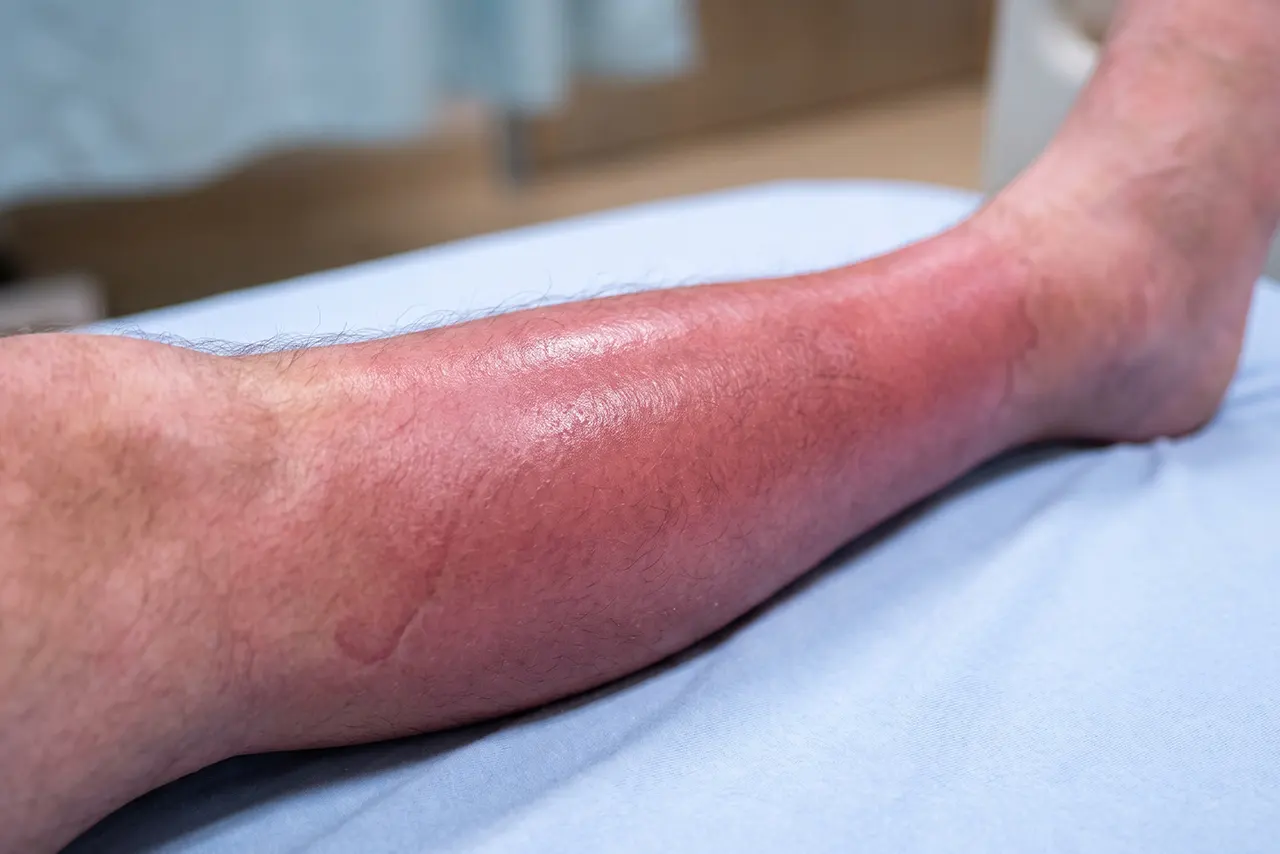
Why Do Legs Swell?
Fluid normally moves between the bloodstream and surrounding tissues in a carefully regulated balance. When circulation, lymphatic drainage or other body systems are disrupted, fluid can accumulate in the lower extremities.
Swelling related to venous insufficiency often develops because blood pools in the leg veins, increasing pressure and pushing fluid into surrounding tissue.
Venous Insufficiency
Weak or damaged vein valves can allow blood to pool in the legs, increasing venous pressure and contributing to swelling.
Blood Clots
A deep vein thrombosis can interfere with blood flow and may cause sudden swelling, often affecting one leg more than the other.
Lymphatic Problems
Reduced lymphatic drainage can allow protein-rich fluid to accumulate within the tissues, producing persistent swelling.
Other Medical Causes
Heart, kidney or liver conditions, certain medications and other medical problems can also contribute to lower-extremity edema.

When Vein Disease Is the Cause
Healthy vein valves help blood travel upward from the legs toward the heart. When these valves become weak or damaged, blood can flow backward and collect within the veins.
This increased pressure, known as venous hypertension, can cause fluid to move into the surrounding tissues of the ankles and lower legs.
Evaluating Persistent Leg Swelling
Because leg swelling can have many causes, treatment begins with identifying the underlying condition.
When venous disease is suspected, a duplex ultrasound can evaluate the veins and identify abnormal blood flow, reflux or evidence of previous blood clots.
Medical History
Your provider reviews when the swelling began, whether one or both legs are affected and what makes the symptoms better or worse.
Physical Examination
The legs are examined for swelling, varicose veins, skin changes, wounds and other signs of venous or vascular disease.
Duplex Ultrasound
Ultrasound can evaluate vein anatomy, direction of blood flow, valve function and possible obstruction.
Treatment Planning
Treatment is based on the cause of the swelling rather than simply treating the visible edema.
Sudden Swelling Should Not Be Ignored
Gradual swelling from chronic venous disease is different from sudden or rapidly worsening swelling. Certain symptoms require prompt medical evaluation.
Sudden One-Sided Swelling
Rapid swelling affecting only one leg can be associated with deep vein thrombosis and should be evaluated promptly.
New Pain or Tenderness
Swelling accompanied by new calf or leg pain may require further vascular evaluation.
Redness or Warmth
New warmth or redness together with swelling may indicate inflammation, infection or a blood clot.
Chest Symptoms
Swelling with chest pain or shortness of breath requires immediate emergency medical attention.
Sudden one-sided leg swelling can occur with deep vein thrombosis. Leg swelling accompanied by chest pain or shortness of breath requires immediate emergency medical attention.
Treating Leg Swelling From Venous Disease
If testing shows that venous insufficiency is contributing to the swelling, treatment may focus on lowering venous pressure and improving the movement of blood out of the legs.
Compression Therapy
Graduated compression can help reduce fluid accumulation and support blood flow back toward the heart.
Walking & Movement
Regular walking activates the calf-muscle pump, which helps move blood upward through the veins.
Leg Elevation
Elevating the legs above heart level may help reduce venous pressure and fluid accumulation.
Vein Treatment
When significant venous reflux is present, minimally invasive procedures may be used to treat diseased veins contributing to chronic swelling.
When Conservative Care Is Not Enough
Compression, movement and elevation may help control symptoms, but they do not necessarily correct an underlying refluxing vein.
When ultrasound identifies significant superficial venous reflux, treatment may include minimally invasive procedures designed to close the dysfunctional vein and redirect blood through healthier circulation.
Laser Ablation
Laser energy may be used to close a refluxing superficial vein and redirect blood through healthier circulation.
Radiofrequency Ablation
Radiofrequency energy can heat and close selected diseased veins through a small catheter.
VenaSeal™ & Varithena™
Non-thermal options may be appropriate for selected patients depending on vein anatomy and ultrasound findings.
Sclerotherapy & Phlebectomy
Additional vein treatments may be used to address tributary or visible varicose veins when appropriate.
The appropriate treatment depends on the location of the abnormal veins, ultrasound findings, medical history and the severity of your symptoms.
Leg Swelling FAQs
Can vein problems cause swollen legs?
Yes. Chronic venous insufficiency can cause blood to pool within the leg veins, increasing venous pressure and allowing fluid to accumulate in the surrounding tissues.
Why are my ankles more swollen at the end of the day?
Gravity and prolonged standing can increase pressure within the leg veins. In people with venous insufficiency, swelling may gradually worsen throughout the day and improve after elevation or overnight rest.
Is swelling in one leg more concerning?
Swelling that suddenly appears in one leg can have several causes, including deep vein thrombosis. New or unexplained one-sided swelling should be medically evaluated, especially when accompanied by pain, warmth or redness.
How do you determine whether swelling is caused by vein disease?
A vascular evaluation may include a physical examination and duplex ultrasound. Ultrasound can identify venous reflux, obstruction, previous clot-related damage and other abnormalities affecting blood flow.
Can compression stockings help leg swelling?
Compression stockings can help some patients by applying graduated pressure to the legs, reducing fluid accumulation and assisting venous return. The appropriate compression level depends on the patient's circulation and medical condition.
Will treating my veins make the swelling go away?
When venous reflux is a significant cause of swelling, treating the dysfunctional veins may help improve symptoms. However, swelling can have multiple causes, so results depend on the underlying condition and overall health.