Chronic Venous Insufficiency
Chronic venous insufficiency occurs when the veins in the legs have difficulty returning blood back toward the heart, allowing blood to pool and pressure to build within the lower extremities.
Healthy veins contain one-way valves that help keep blood moving upward. When these valves become weakened or damaged, blood can flow backward, a condition known as venous reflux.
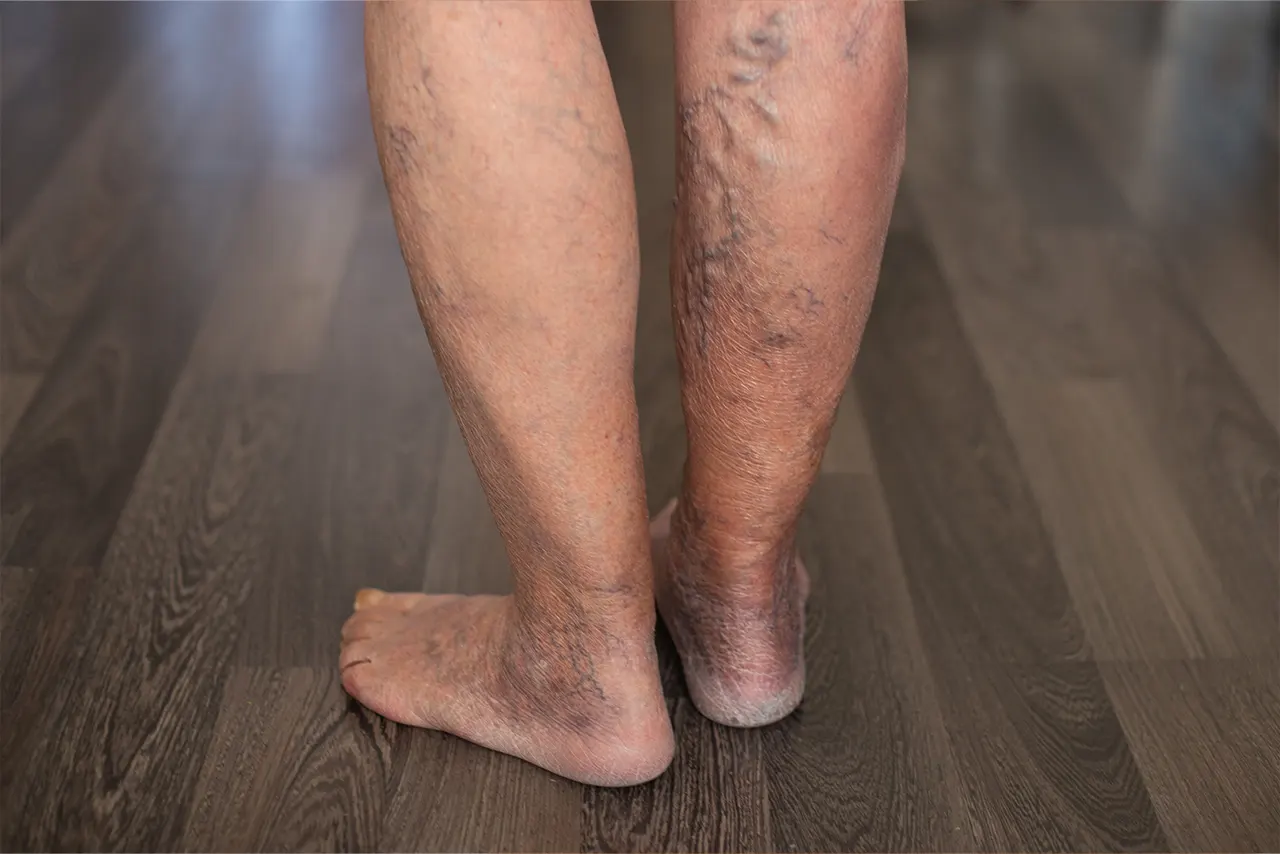
Over time, persistent venous pressure can contribute to swelling, aching, varicose veins, skin discoloration and, in more advanced cases, venous leg ulcers.
Schedule a Vein Evaluation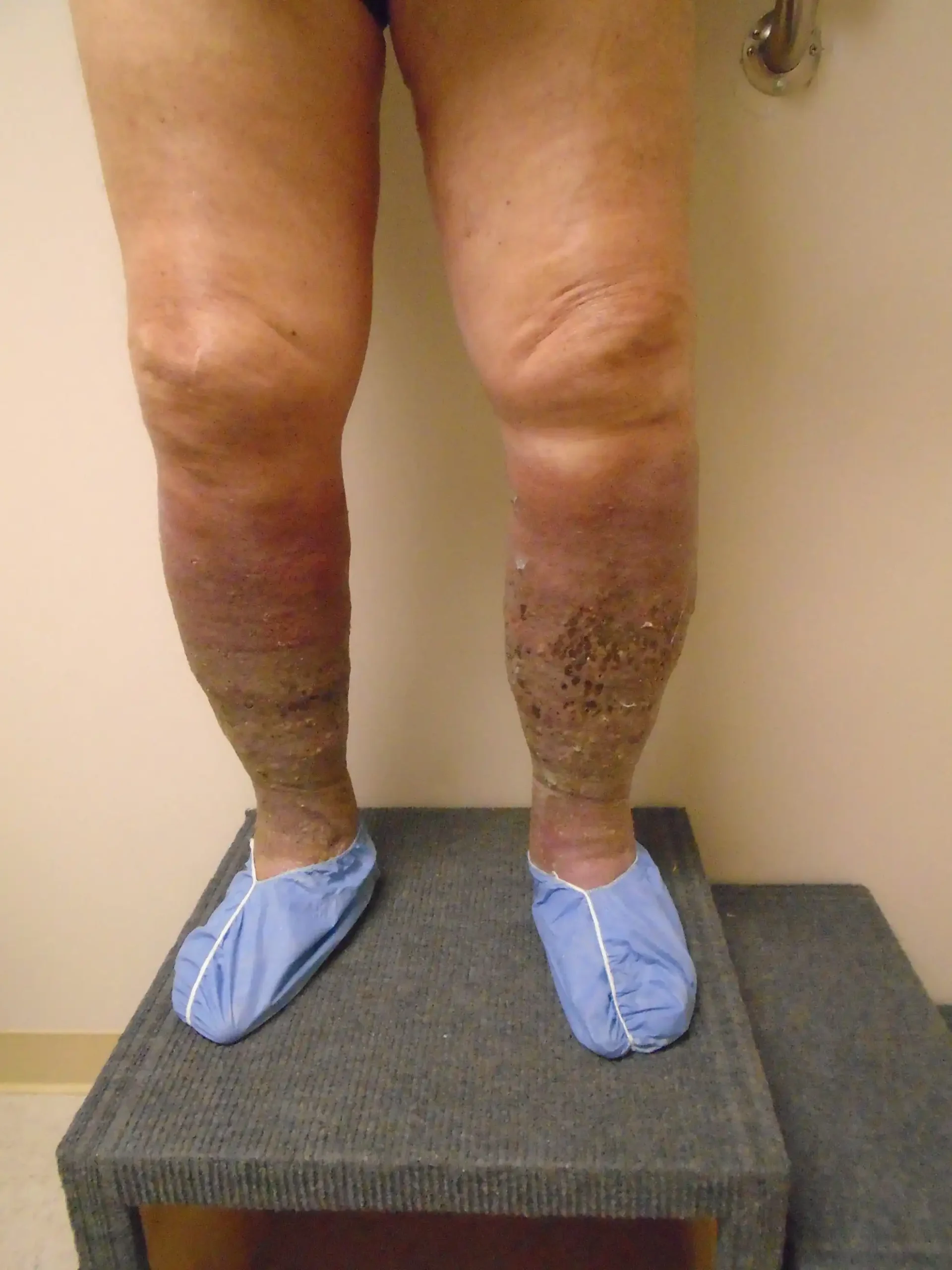
How Chronic Venous Insufficiency Develops
Veins in the legs must move blood against gravity. Small valves inside the veins normally close after each heartbeat to prevent blood from falling backward.
When those valves fail to close properly, blood can reflux downward and pool in the lower legs. The resulting increase in venous pressure may gradually damage surrounding tissues.
Valve Dysfunction
Vein valves become weakened or damaged and no longer prevent backward blood flow effectively.
Venous Reflux
Blood begins flowing backward and accumulating within the superficial or deep venous system.
Increased Pressure
Pooling blood increases pressure inside the veins of the lower legs and ankles.
Swelling
Elevated venous pressure can cause fluid to move into surrounding tissues, producing edema.
Skin Changes
Long-term inflammation may contribute to itching, discoloration, thickened skin and tissue damage.
Venous Ulcers
Advanced venous disease may eventually contribute to difficult-to-heal wounds near the ankle or lower leg.
Symptoms Can Progress Over Time
Chronic venous insufficiency can range from relatively mild discomfort to advanced skin and wound complications.
Symptoms may become more noticeable after prolonged standing or later in the day when venous pressure has increased.
Who Is More Likely to Develop CVI?
A number of factors can increase the likelihood of weakened vein valves or chronic venous pressure.
Previous Blood Clots
A prior deep vein thrombosis can damage vein valves and contribute to post-thrombotic venous insufficiency.
Family History
Inherited vein structure and valve weakness can increase the likelihood of developing venous disease.
Prolonged Standing
Jobs or activities involving extended periods of standing can increase pressure within the leg veins.
Age
Vein walls and valves may weaken over time, making chronic venous disease more common with age.
Pregnancy
Hormonal changes and increased pressure within the abdomen can place additional stress on leg veins.
Limited Activity
The calf muscles help pump blood upward. Reduced mobility may make venous circulation less efficient.
Excess Weight
Additional pressure within the abdomen and lower extremities may contribute to venous hypertension.
History of Vein Disease
Existing varicose veins or previous vein problems may indicate underlying venous dysfunction.
Finding the Source of Your Symptoms
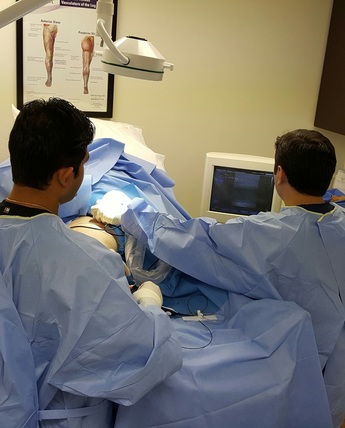
A vein evaluation begins with a review of your symptoms, medical history and a physical examination of the legs.
Duplex ultrasound is commonly used to evaluate blood flow and determine whether the valves inside the veins are functioning properly.
Visible varicose veins are only one possible sign of venous disease. Ultrasound can help identify deeper circulation problems that may not be visible from the surface.
Treating Chronic Venous Insufficiency
Treatment depends on the severity of the disease, ultrasound findings, symptoms and overall health. Care may begin conservatively and progress to minimally invasive procedures when appropriate.
Compression Therapy
Medical compression may help reduce swelling and support more efficient movement of blood out of the lower legs.
Elevation & Exercise
Leg elevation and regular walking can help reduce venous pressure and activate the calf-muscle pump.
Vein Ablation
Laser or radiofrequency ablation may be used to close refluxing superficial veins and redirect circulation.
Non-Thermal Treatments
Options such as VenaSeal, Varithena or other catheter-based treatments may be appropriate for selected veins.
More Than a Cosmetic Vein Concern
Chronic venous insufficiency is a circulation disorder. When venous pressure remains elevated for long periods of time, inflammation can affect the skin and tissues of the lower leg.
Treating the underlying source of reflux may help improve symptoms and reduce the ongoing pressure contributing to more advanced venous disease.
Chronic Venous Insufficiency FAQs
What is chronic venous insufficiency?
Chronic venous insufficiency occurs when veins in the legs cannot efficiently return blood toward the heart. Weak or damaged valves can allow blood to flow backward and pool in the legs, increasing pressure inside the veins.
What causes chronic venous insufficiency?
CVI is often caused by dysfunctional vein valves. Risk factors may include aging, family history, previous deep vein thrombosis, pregnancy, obesity, prolonged standing and reduced physical activity.
What are the symptoms of chronic venous insufficiency?
Common symptoms include leg heaviness, aching, swelling, varicose veins, nighttime cramps, itching and skin discoloration. More advanced disease may cause thickened skin or venous leg ulcers.
How is chronic venous insufficiency diagnosed?
Diagnosis usually includes a medical history, physical examination and duplex ultrasound. Ultrasound allows the provider to evaluate vein anatomy, blood-flow direction and the function of the vein valves.
Can chronic venous insufficiency be treated?
Yes. Treatment may include compression therapy, walking, leg elevation and lifestyle changes. When significant venous reflux is present, minimally invasive treatments such as laser ablation, radiofrequency ablation, adhesive closure or injectable therapies may be considered.
Can chronic venous insufficiency cause leg ulcers?
Yes. Long-term venous hypertension can damage the skin and tissues of the lower leg. In advanced cases, this can contribute to venous leg ulcers, particularly near the ankle.