
VenaSeal™
A non-thermal treatment that uses a medical adhesive to close diseased superficial veins and redirect blood through healthier circulation.
The VenaSeal closure system is designed for adults with symptomatic venous reflux diagnosed by duplex ultrasound. Instead of using heat to seal the vein, a catheter delivers small amounts of a specialized medical adhesive inside the affected vein, causing the vein walls to close together.
Schedule a Consultation
Closing the Diseased Vein Without Heat
Using ultrasound guidance, the physician places a small catheter into the diseased vein. The VenaSeal system delivers controlled amounts of medical adhesive while gentle pressure is applied over the vein. The treated vein closes, and blood is naturally redirected through healthier veins.
Ultrasound Mapping
Duplex ultrasound is used to identify the vein responsible for reflux and plan the treatment pathway.
Catheter Placement
A small catheter is inserted into the target vein through a tiny access point in the leg.
Adhesive Delivery
Small amounts of medical adhesive are delivered at planned intervals as the catheter is withdrawn.
Vein Closure
The vein walls seal together, allowing circulation to reroute through healthier vessels.
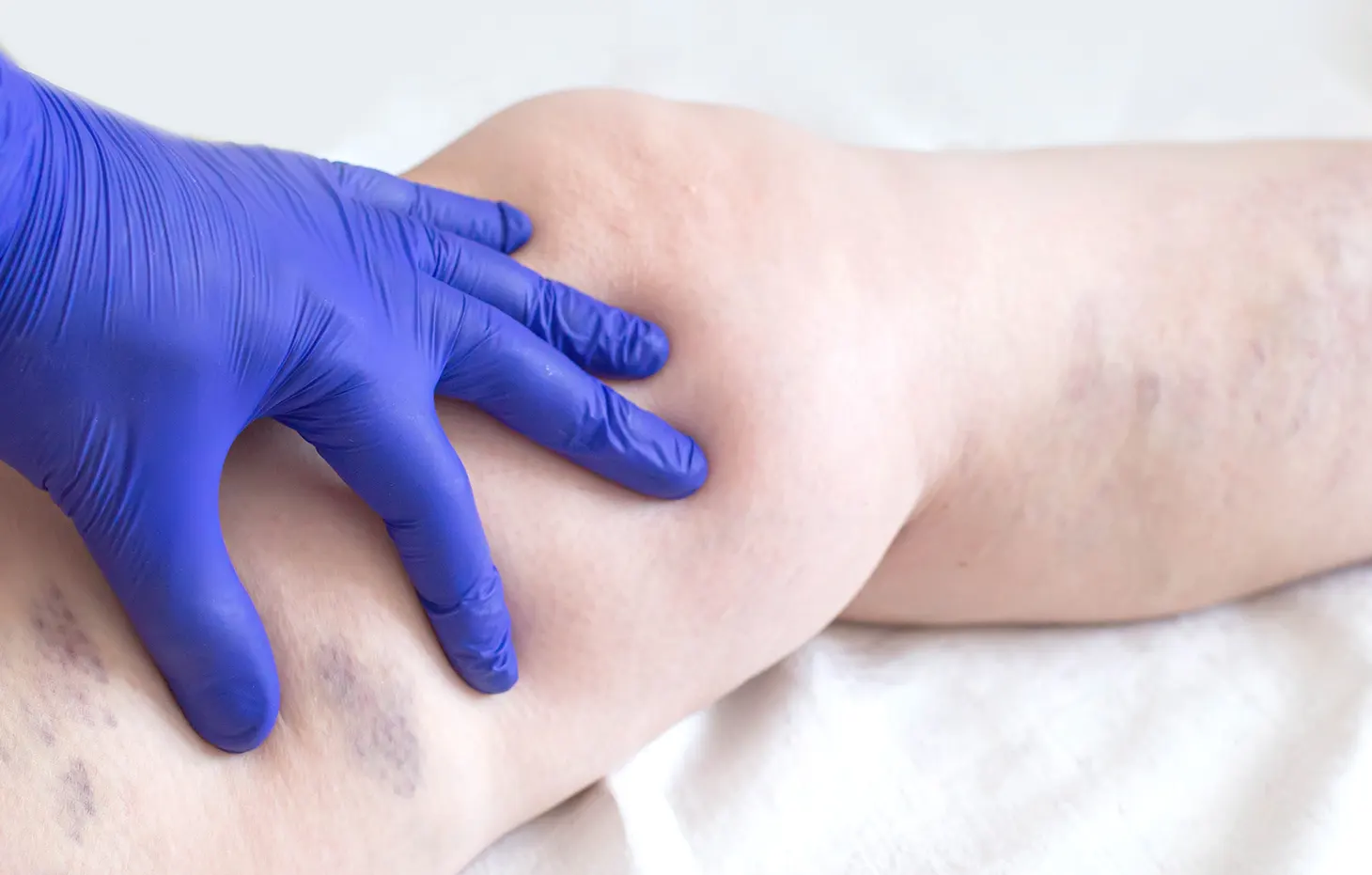
A Different Approach to Venous Reflux
Because VenaSeal does not rely on thermal energy, it avoids the need for tumescent anesthesia along the entire treatment length of the vein. This can make it an appealing option for appropriately selected patients.
Whether VenaSeal is appropriate depends on your vein anatomy, ultrasound findings, symptoms, medical history and any history of sensitivity to cyanoacrylate adhesives.
When VenaSeal May Be Considered
VenaSeal is intended for permanent closure of lower-extremity superficial truncal veins, such as the great saphenous vein, in adults with clinically symptomatic venous reflux confirmed by duplex ultrasound.
Leg Heaviness
A feeling of pressure, fatigue or heaviness that may worsen later in the day.
Aching & Discomfort
Persistent aching, throbbing or tenderness associated with chronic venous disease.
Swelling
Lower-leg or ankle swelling related to venous hypertension or inefficient return of blood.
Visible Vein Disease
Varicose veins or other visible signs that may be associated with deeper venous reflux.
What to Expect After VenaSeal
Many VenaSeal procedures are performed in an outpatient or office setting. Patients are generally encouraged to walk after treatment and follow individualized post-procedure instructions from their physician.
Compression use after treatment can vary by clinical protocol and patient needs. Your provider will tell you whether compression stockings or other aftercare are appropriate for you.
VenaSeal FAQs
What is VenaSeal?
VenaSeal is a catheter-based treatment that uses a proprietary medical adhesive to permanently close selected superficial truncal veins in adults with symptomatic venous reflux diagnosed by duplex ultrasound.
How is VenaSeal different from laser or radiofrequency ablation?
Laser and radiofrequency ablation use thermal energy to close a diseased vein. VenaSeal is non-thermal and uses medical adhesive instead, so it does not require tumescent anesthesia along the full length of the treated vein.
Does VenaSeal require anesthesia?
A small amount of local anesthetic may be used at the catheter access site. Unlike thermal ablation, VenaSeal does not typically require tumescent anesthesia to be injected along the entire treatment segment.
Will I need compression stockings after VenaSeal?
Compression recommendations vary depending on the patient and the physician's protocol. Some patients may not require routine compression after VenaSeal, while others may be advised to use it for comfort or additional vein care.
Who should not receive VenaSeal?
VenaSeal is contraindicated in people with a previous hypersensitivity reaction to the VenaSeal adhesive or cyanoacrylates, acute superficial thrombophlebitis, thrombophlebitis migrans, or acute sepsis. Your physician will review your history before treatment.
How do I know if VenaSeal is right for me?
A vein evaluation and duplex ultrasound are used to determine whether your symptoms are caused by superficial venous reflux and whether your anatomy and medical history make VenaSeal an appropriate option.