
Hand Veins
Visible blue, purple, or spider-like veins on the breast and chest can often be treated with minimally invasive techniques.
Breast and chest veins are usually a cosmetic concern rather than a medical problem. They may appear as spider veins or larger blue reticular veins beneath the skin and can become more noticeable over time.
A vein consultation helps determine the size, depth, pattern, and likely cause of the visible vessels so treatment can be tailored to the individual.
Request an Appointment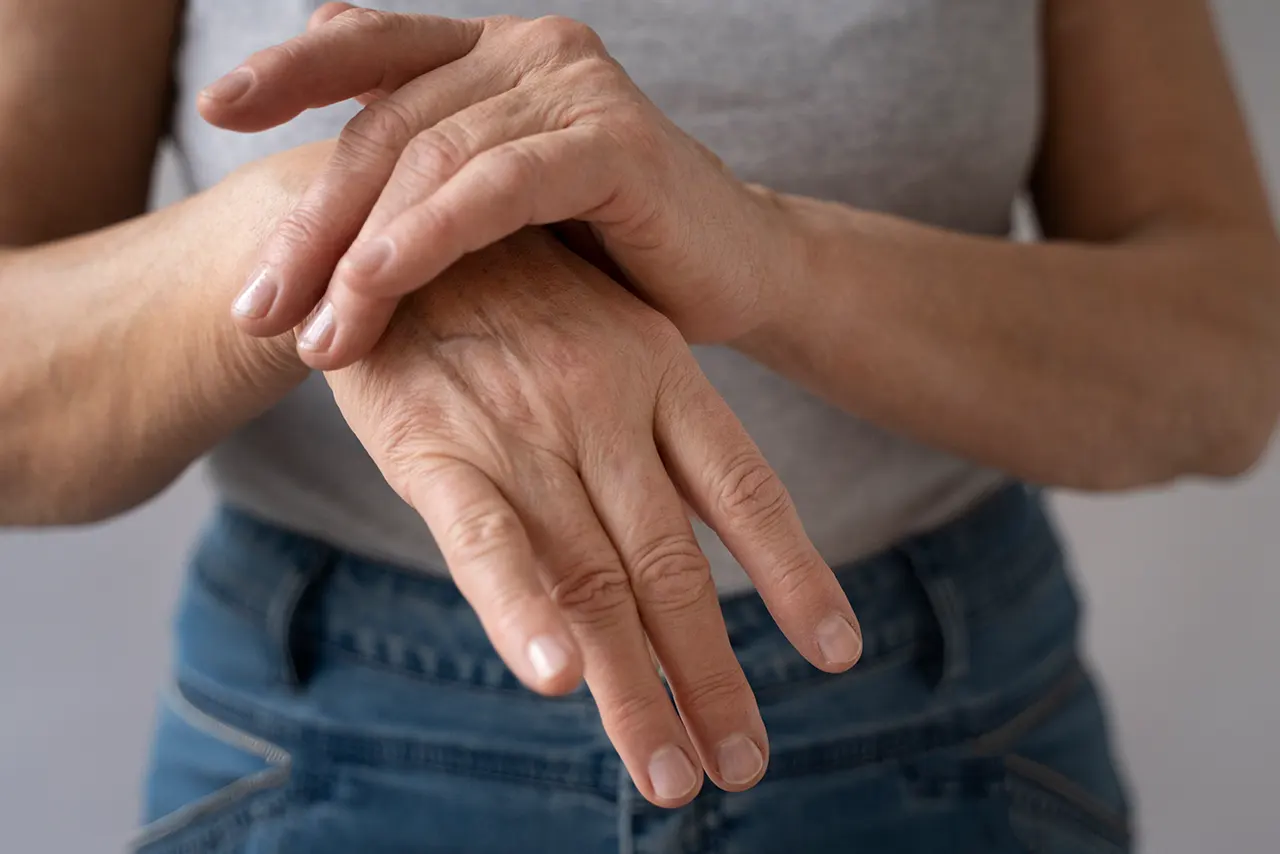
Common Causes of Breast & Chest Veins
Visible hand veins can become more prominent when veins dilate, valves weaken, or the skin becomes thinner. Several factors can contribute.
Aging
Thinner skin and changes in vein elasticity can make underlying vessels easier to see.
Aging & Volume Loss
Exercise & Fitness, birth control, hormone therapy, and other hormonal shifts can make superficial veins more noticeable.
Genetics
Some people are more likely to develop visible chest or hand veins because of inherited vein and skin characteristics.
Skin & Sun Changes
Loss of collagen and cumulative sun exposure can increase the visibility of superficial vessels.
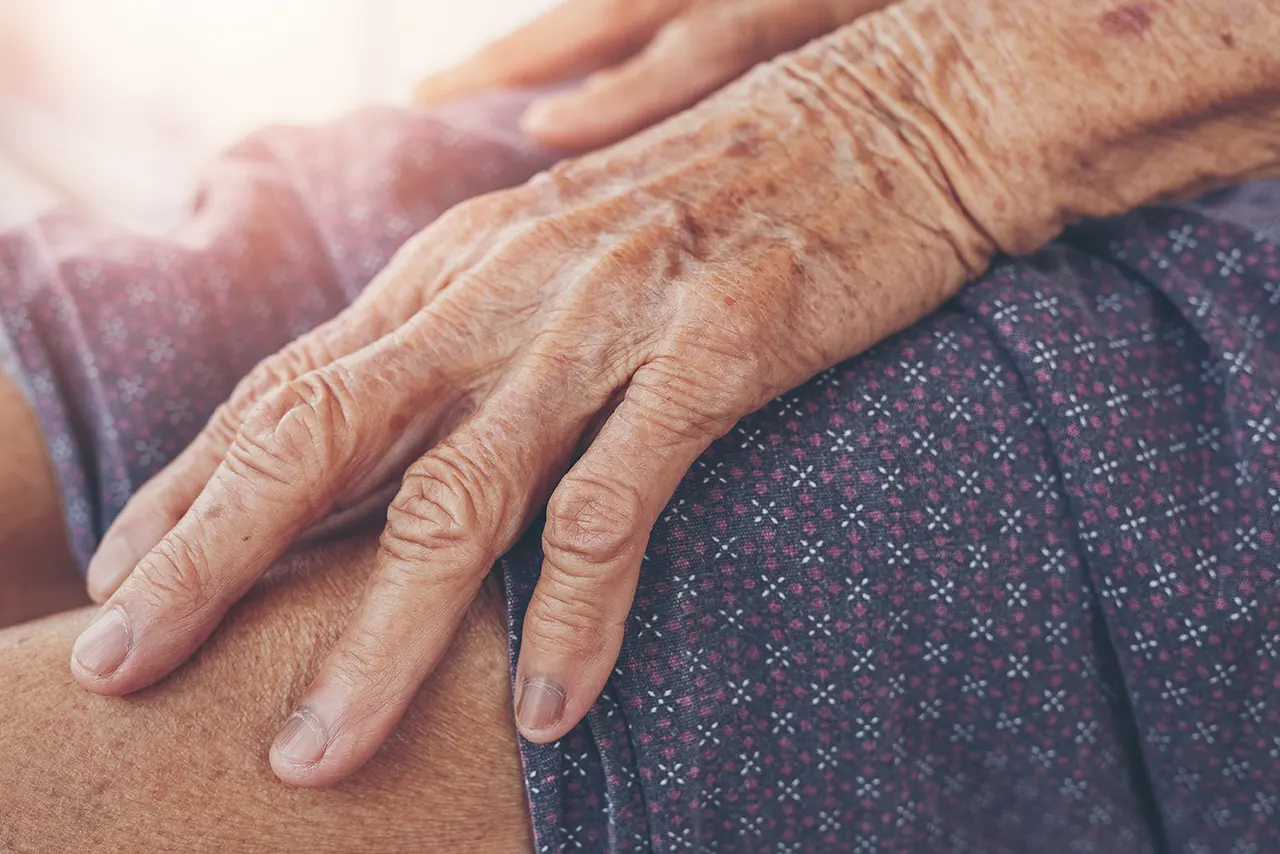
Recognizing Visible Hand Veins
Breast and chest veins may appear as fine spider-like lines or larger blue vessels beneath the skin. They can be more noticeable after pregnancy, weight changes, surgery, exercise, or simply with age.
How Breast & Chest Veins Can Be Treated
Treatment depends on vessel size, depth, location, and appearance. A specialist can recommend the approach most likely to produce an even cosmetic result.
Sclerotherapy
A small amount of sclerosant is injected into selected veins, causing them to close and gradually fade.
VeinGogh
Microburst radiofrequency energy may be used for very small superficial vessels that are difficult to treat with injection alone.
Combination Treatment
Some patients benefit from more than one technique when veins vary in size, depth, or location.
Treatment Planned Around the Vein Pattern
Visible hand veins do not all behave the same way. Some are tiny spider vessels, while others are larger reticular veins. The best cosmetic plan depends on identifying exactly which vessels are being treated and how close they are to the skin surface.
Your evaluation may include a review of prior breast procedures, pregnancy history, medications, and when the veins first became noticeable.
Hand Vein FAQs
Are visible hand veins normal?
Yes. Visible veins on the breast and chest are common and are often cosmetic rather than harmful. They may become more noticeable with age, pregnancy, weight changes, thinner skin, or hormonal changes.
What causes breast and chest veins to become more visible?
Common contributors include genetics, aging, hormonal changes, pregnancy, breast surgery, weight changes, resistance training, and cumulative sun exposure.
Can hand veins be treated?
Yes. Depending on the size and depth of the vessels, options may include sclerotherapy, VeinGogh, or a combination approach.
Is treatment painful?
Most hand-vein treatments are minimally invasive and are designed to be well tolerated. The exact sensation depends on the technique used and the size of the vessels being treated.
How many treatments will I need?
The number of sessions varies based on the number, size, depth, and location of the veins. Some patients may need more than one treatment for the best cosmetic improvement.
Can hand veins return after treatment?
Treated vessels can close successfully, but new visible veins may develop over time because of genetics, hormonal changes, aging, or other factors.