Facial Veins
Small visible veins can be cosmetic, symptomatic, or a clue that deeper venous issues deserve evaluation.
Facial veins, also called telangiectasias, are small red, blue, or purple vessels that appear close to the surface of the skin. They most often develop on the legs and face and may form web-like or branching patterns.
While many facial veins are primarily cosmetic, some patients also notice aching, burning, itching, or heaviness. A proper vein evaluation can help determine whether visible surface veins are isolated or related to underlying venous disease.
Request an Appointment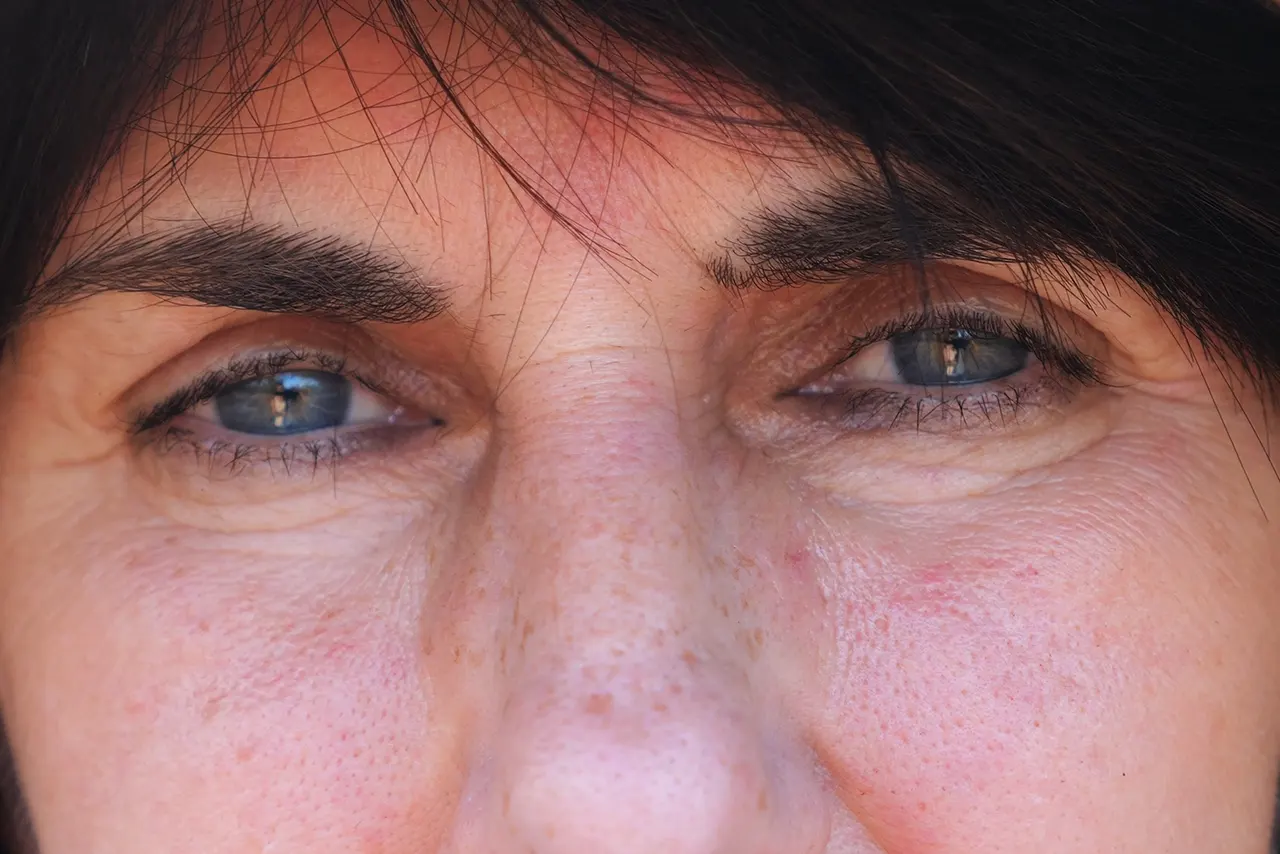
Why Facial Veins Develop
Facial veins can develop for several reasons. Genetics, age, hormonal changes, and increased pressure within the veins can all contribute.
Aging
Vein walls and valves may weaken over time, allowing small vessels to become more visible.
Hormonal Changes
Pregnancy, menopause, and hormonal medications can influence the development of facial veins.
Genetics
A family history of visible veins can increase your likelihood of developing them.
Venous Pressure
Long periods of standing, weight changes, and underlying reflux can add pressure to the leg veins.
Recognizing Facial Veins
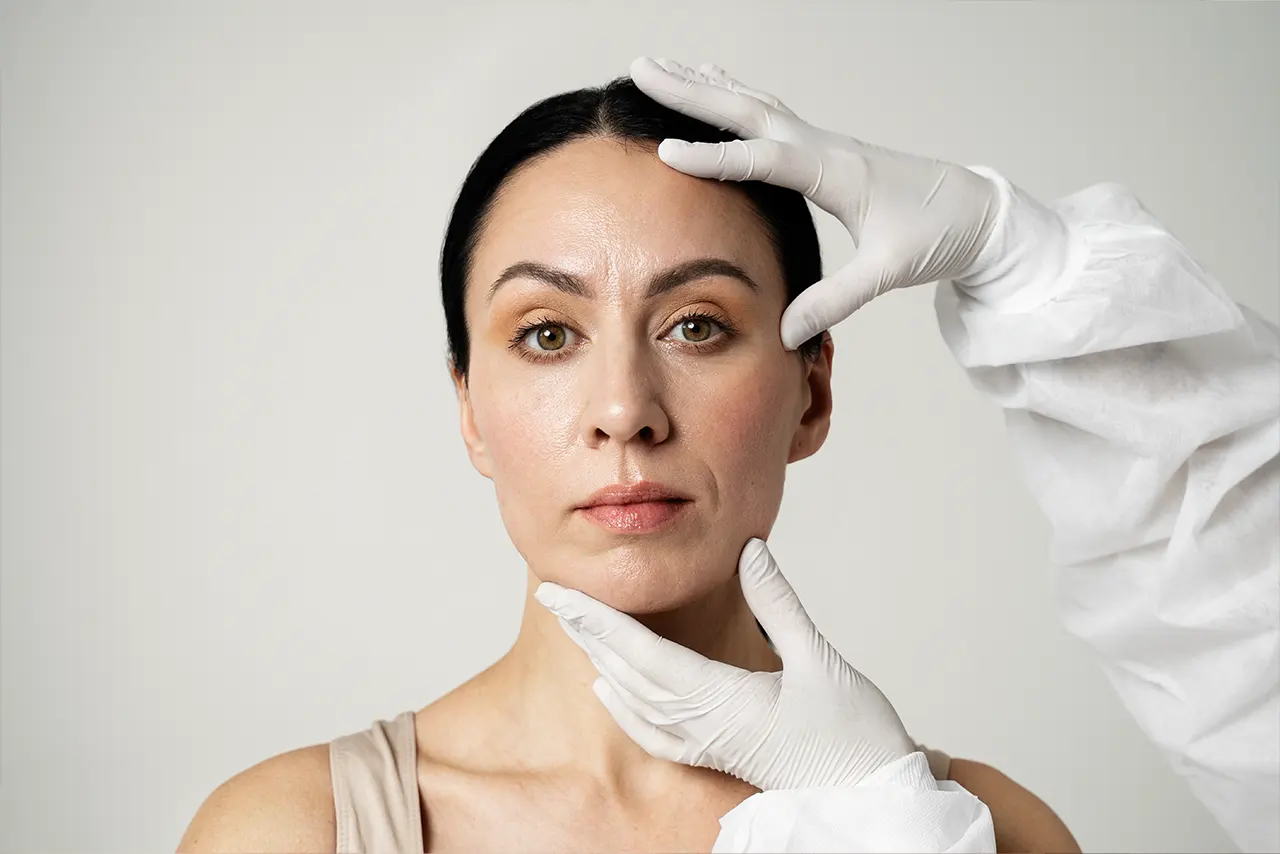
Facial veins are typically small, thin vessels visible beneath the skin. They may look red, blue, or purple and can form branching, star-like, or web-like patterns.
Ways We Treat Facial Veins
Treatment depends on the size, location, and source of the visible veins. A consultation helps determine which approach is most appropriate.
Liquid Sclerotherapy
A solution is injected into the targeted vein, causing it to collapse and gradually fade from view.
Laser Vein Treatment
Laser energy can be used to heat and close small visible vessels without a surgical incision.
VeinGogh
Microburst radiofrequency energy can target very small superficial vessels that may be difficult to treat with other methods.
Treating the Surface and the Source
For some patients, facial veins are isolated surface vessels. For others, they may be associated with deeper venous insufficiency. Treating only the visible veins without addressing an underlying source can lead to recurrence or incomplete improvement.
Our approach begins with an assessment of your symptoms, vein pattern, and medical history. When indicated, duplex ultrasound can help identify whether reflux is contributing to the problem.
Facial Vein FAQs
What are facial veins?
Facial veins are small red, blue, or purple blood vessels that are visible close to the skin's surface. They often form branching or web-like patterns and are most common on the legs and face.
What causes facial veins?
Common contributors include genetics, aging, hormonal changes, pregnancy, weight changes, prolonged standing, and increased pressure within the leg veins.
Are facial veins dangerous?
Most facial veins are not dangerous and are treated for cosmetic or comfort reasons. However, when they occur with swelling, heaviness, skin changes, or larger varicose veins, they may be associated with underlying venous insufficiency.
What treatments are available for facial veins?
Common options include sclerotherapy, laser-based treatments, and technologies such as VeinGogh for very small superficial vessels. The best treatment depends on the size and location of the veins and whether deeper reflux is present.
How many treatments will I need?
The number of sessions varies depending on the number, size, and location of the veins. Some patients see improvement after one treatment, while others benefit from multiple sessions.
Can facial veins come back after treatment?
Treated veins can close successfully, but new facial veins may develop over time. Addressing underlying venous reflux, when present, can help reduce recurrence.