
Bioengineered Skin Grafts
Advanced biological skin substitutes designed to support healing when a chronic wound is not progressing with standard care alone.
Bioengineered skin grafts may be recommended for chronic or complex wounds that have not healed within the expected timeframe. These products are designed to provide a temporary skin-like covering while supporting the wound environment and helping the body progress toward repair.
Depending on the product and wound type, grafts may contain or provide structural matrix components, living cells, or tissue-derived materials that help support tissue regeneration.
Request an Appointment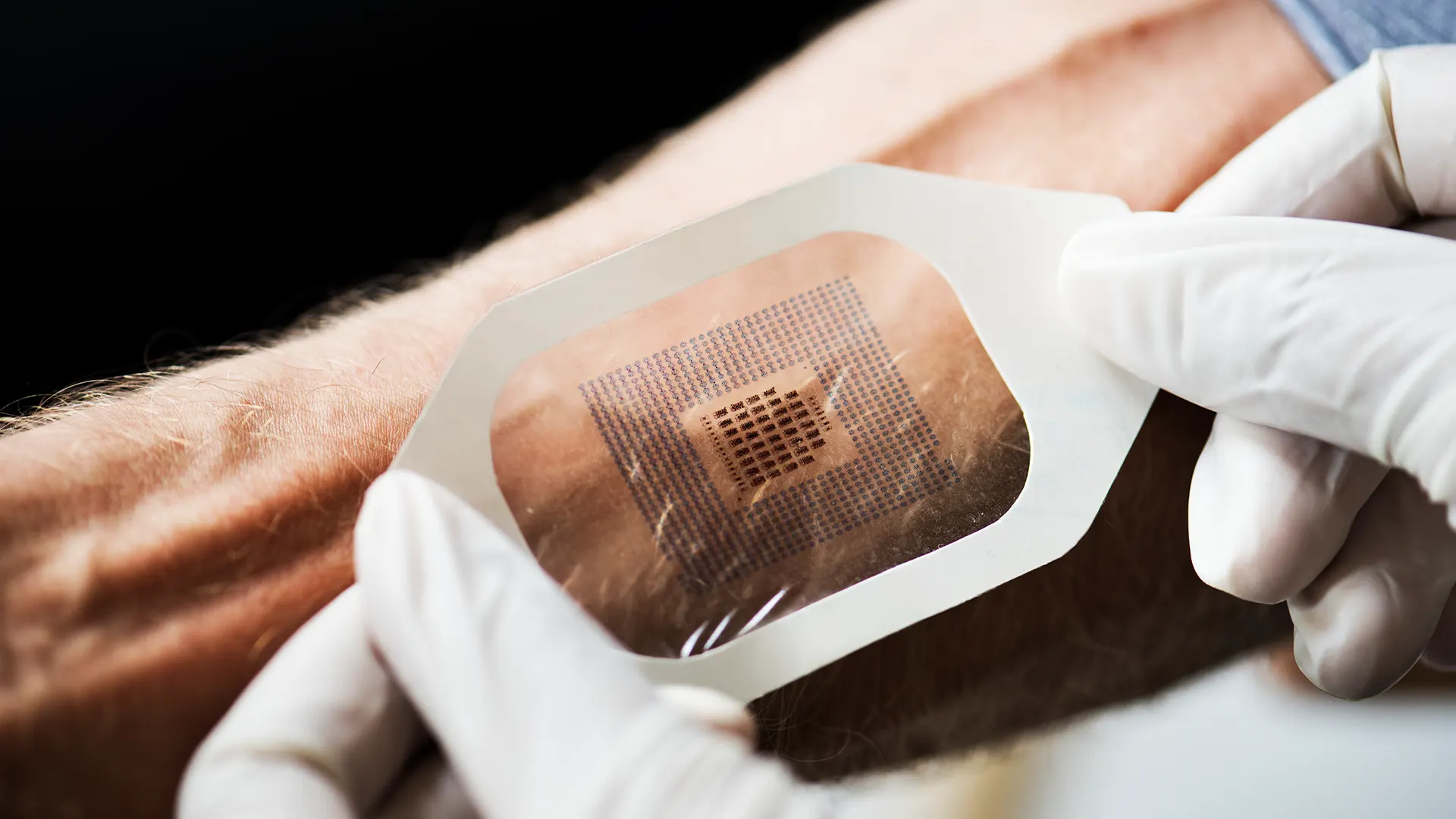
Supporting the Wound While the Body Repairs
Bioengineered grafts act as biological skin substitutes. They can help provide structural support, protect the wound surface, maintain a moist healing environment and, depending on the graft, supply biological signals that support tissue growth and repair.
Protects the Wound
Provides temporary coverage that can help shield the wound surface while healing progresses.
Supports Tissue Growth
Selected grafts provide a matrix or biologic environment that may support cell migration and tissue regeneration.
Works With Ongoing Care
Grafts are used as part of a broader wound-care plan that may also include debridement, compression, offloading and circulation management.
Wounds That May Benefit From Bioengineered Grafts
These products are most often considered when a wound has become chronic or has not responded adequately to more traditional treatment alone.
A Less Invasive Alternative to Traditional Skin Grafting
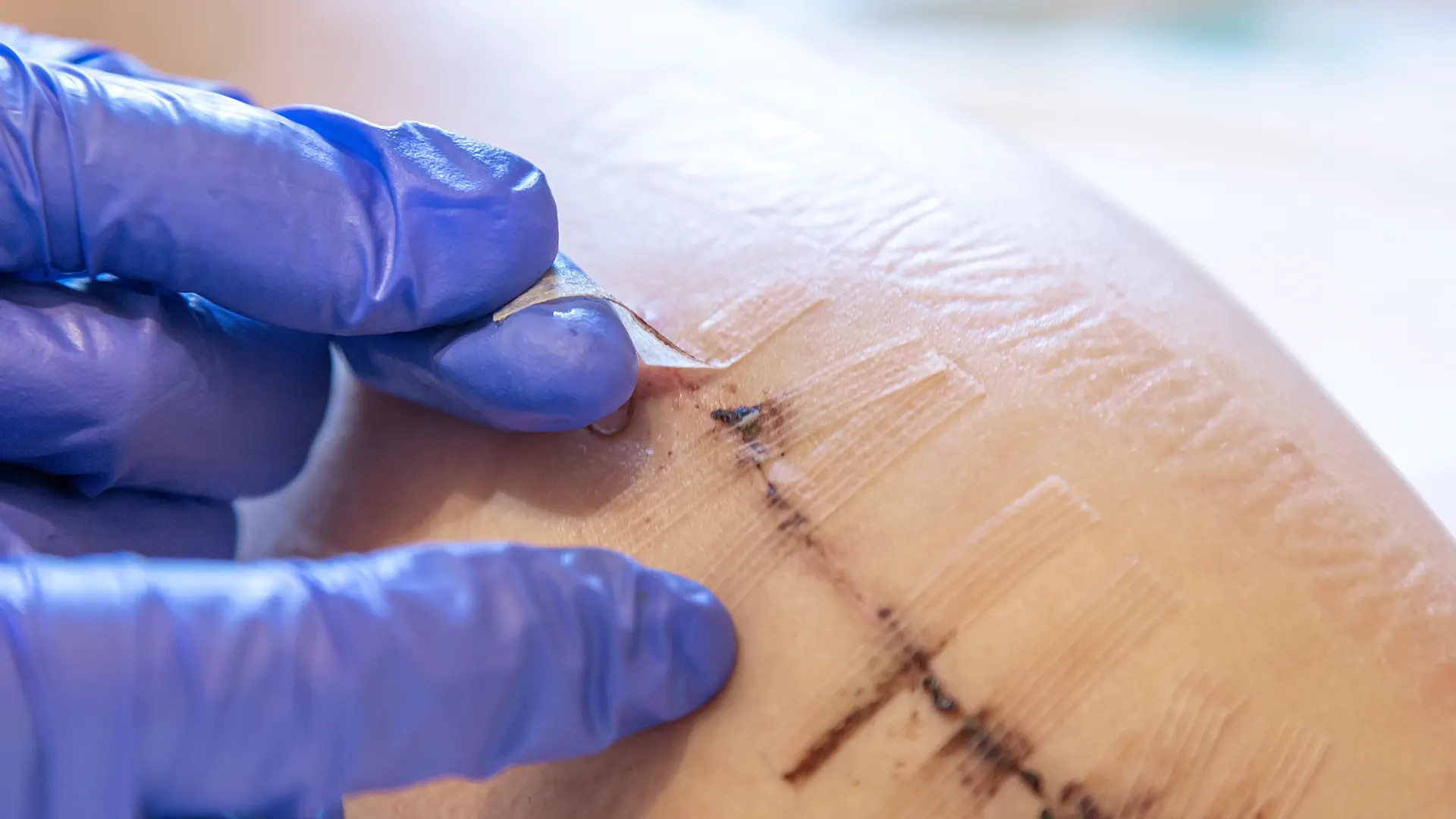
Unlike a traditional autologous skin graft, which requires skin to be harvested from another area of the patient’s body, many bioengineered grafts can be applied directly to the wound in an office-based setting.
Grafts Work Best When the Underlying Cause Is Addressed
Advanced grafting is only one part of wound healing. Your treatment plan may also include debridement, infection management, compression for venous disease, offloading for diabetic or pressure wounds, nutritional support and treatment of circulation problems that may be slowing repair.
Prepare the Wound Bed
Dead tissue, excess drainage and infection may need to be addressed before a graft is placed.
Apply the Graft
The selected graft is placed over the prepared wound according to the product and wound-care plan.
Monitor Healing
Follow-up visits track graft adherence, wound size, tissue quality and whether additional applications are appropriate.
Bioengineered Skin Graft FAQs
What is a bioengineered skin graft?
A bioengineered skin graft is a biological skin substitute used to cover and support a wound while the body continues its own repair process. Products vary in composition and may contain tissue-derived matrix, living cells or other biologic components.
What kinds of wounds can be treated with these grafts?
They are commonly considered for chronic wounds such as venous leg ulcers, diabetic foot ulcers, pressure ulcers and selected complex wounds that are not healing as expected with standard care alone.
Is this the same as a traditional skin graft?
No. Traditional skin grafting usually requires harvesting skin from another area of the patient’s body. Bioengineered grafts are prepared biological substitutes and often do not require a donor site.
Does applying a bioengineered graft require surgery?
Many products can be applied in an office-based wound-care setting after the wound bed has been properly prepared. Whether additional procedures are needed depends on the wound and the patient’s overall condition.
Will one graft application heal the wound?
Not always. Some wounds may require more than one application, and healing also depends on controlling infection, improving circulation, reducing pressure and following the rest of the wound-care plan.
How will my provider know if I am a candidate?
Your provider will evaluate the type and duration of the wound, blood flow, infection status, wound-bed quality, prior treatments and other medical factors before deciding whether a bioengineered graft is appropriate.