
Wound Biopsy
A targeted diagnostic procedure used to help identify why a chronic or atypical wound is not healing as expected.
When a wound does not improve with standard care, looks unusual, or has features that suggest an underlying condition, a wound biopsy may be recommended. A small sample of tissue is removed and sent to a pathologist for microscopic review.
The goal is to gain clearer diagnostic information so your wound-care plan can be better matched to the cause of the problem.
Request an Appointment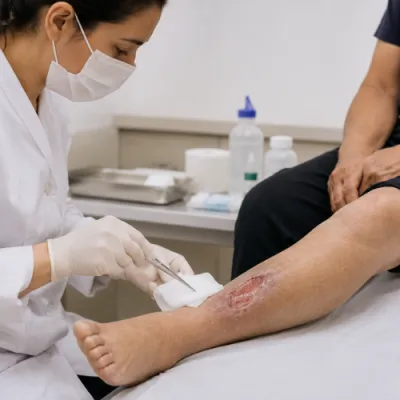
Why a Wound Biopsy May Be Needed
A biopsy may be considered when a wound is chronic, atypical, repeatedly breaks down, does not respond as expected to treatment, or has features that make the diagnosis uncertain.
Non-Healing Wounds
Persistent wounds may need additional testing when progress stalls despite appropriate wound care.
Atypical Appearance
Unusual tissue, wound edges, drainage or changes in the surrounding skin may prompt further evaluation.
Unclear Diagnosis
Biopsy can provide tissue-level information that helps clarify inflammatory, infectious or other underlying causes.
Common Types of Wound Biopsy
Incisional Biopsy
A small piece of tissue is removed from the wound or lesion so the pathologist can evaluate the tissue composition and possible cause.
Punch Biopsy
A small circular blade is rotated through the skin to obtain a cylindrical core of tissue, often from the wound margin where abnormal and healthy tissue meet.
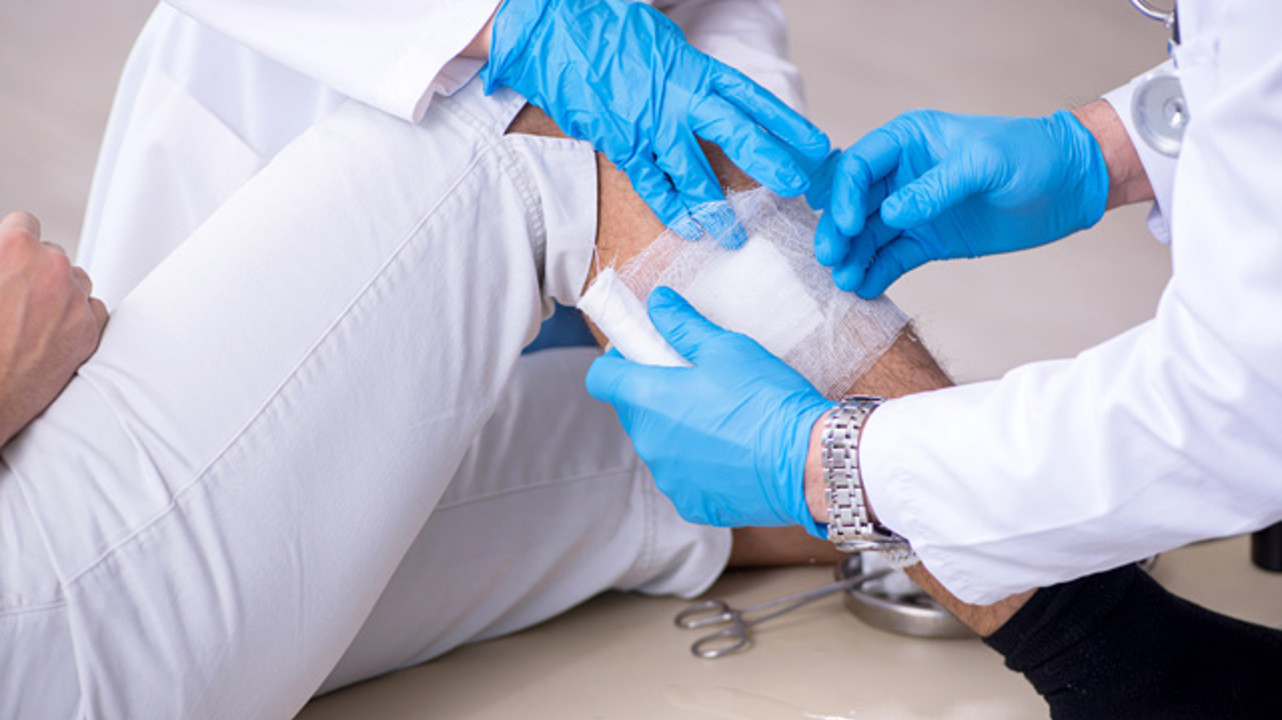
How a Wound Biopsy Is Performed
Wound biopsy is typically performed in the office. The area is numbed with local anesthesia, and a small tissue sample is removed using the method best suited to the wound.
Turning Diagnostic Information Into a Treatment Plan
Once the pathology report is available, your provider can use the findings together with your exam, medical history, circulation testing and wound progression to guide next steps.
Pathology Review
The tissue is examined under a microscope to identify important changes in the wound and surrounding skin.
More Targeted Care
Biopsy results can help your provider choose treatment based on the underlying cause rather than appearance alone.
Ongoing Wound Management
Dressings, infection control, circulation treatment, pressure relief or other therapies may be recommended as part of the plan.
Wound Biopsy FAQs
What is a wound biopsy?
A wound biopsy is a diagnostic procedure in which a small sample of tissue is removed from a wound or its edge and sent to a pathologist for microscopic evaluation.
Why would my provider recommend a biopsy?
A biopsy may be recommended when a wound is not healing as expected, appears atypical, has an uncertain cause or needs additional diagnostic information before treatment is changed.
Is a wound biopsy painful?
The area is usually numbed with local anesthesia before the sample is taken. You may feel pressure or mild discomfort, but the goal is to keep the procedure as comfortable as possible.
What is the difference between an incisional and punch biopsy?
An incisional biopsy removes a small piece of tissue from the wound, while a punch biopsy uses a circular tool to remove a small cylindrical core that includes deeper layers of skin.
How long does it take to get biopsy results?
Timing varies by laboratory and by whether special testing is needed. Your provider will review the pathology report with you once it is available.
Will I still need wound care after the biopsy?
Yes. The biopsy provides diagnostic information, but the wound still needs ongoing management such as dressings, infection control, circulation treatment, pressure relief or other therapies based on the cause.