Diagnostic Laboratory
Advanced vascular testing to identify the source of vein symptoms and guide the right treatment plan.
Our vascular laboratory uses non-invasive diagnostic technology to evaluate blood flow, identify venous insufficiency, detect abnormalities and map the veins of the lower extremities. These tests help our team understand what is happening beneath the surface before recommending treatment.
Request an Appointment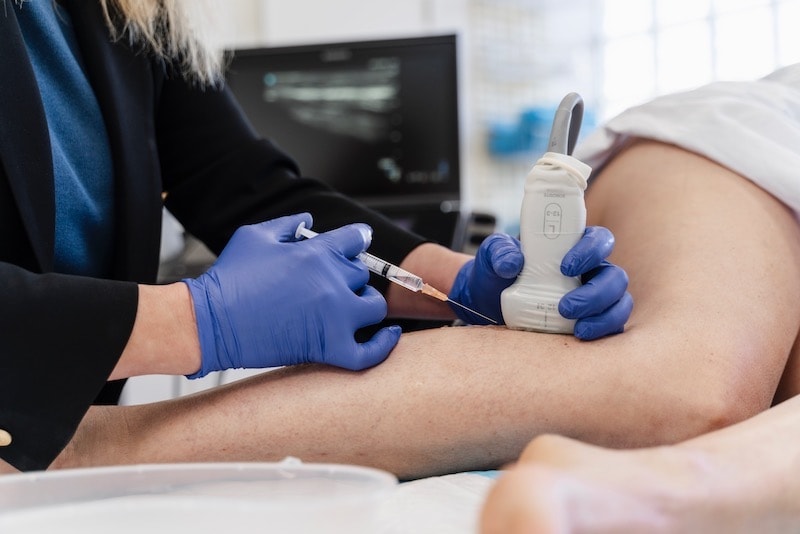
A Clearer Picture of Your Circulation
Venous duplex ultrasound is considered the gold standard for diagnosing venous disorders. Our team uses advanced ultrasound equipment to assess the superficial and deep venous systems, locate reflux or obstruction and identify problems that may be contributing to varicose veins, swelling, discomfort or poor wound healing.
Identify Venous Reflux
Ultrasound can show where valves are not functioning properly and where blood is flowing in the wrong direction.
Map Problem Veins
Vein mapping helps define anatomy before minimally invasive treatment and supports more precise procedural planning.
Evaluate Arterial Flow
When appropriate, arterial studies can help identify peripheral arterial disease and other circulation concerns.
Find the Cause Before Treating the Symptom
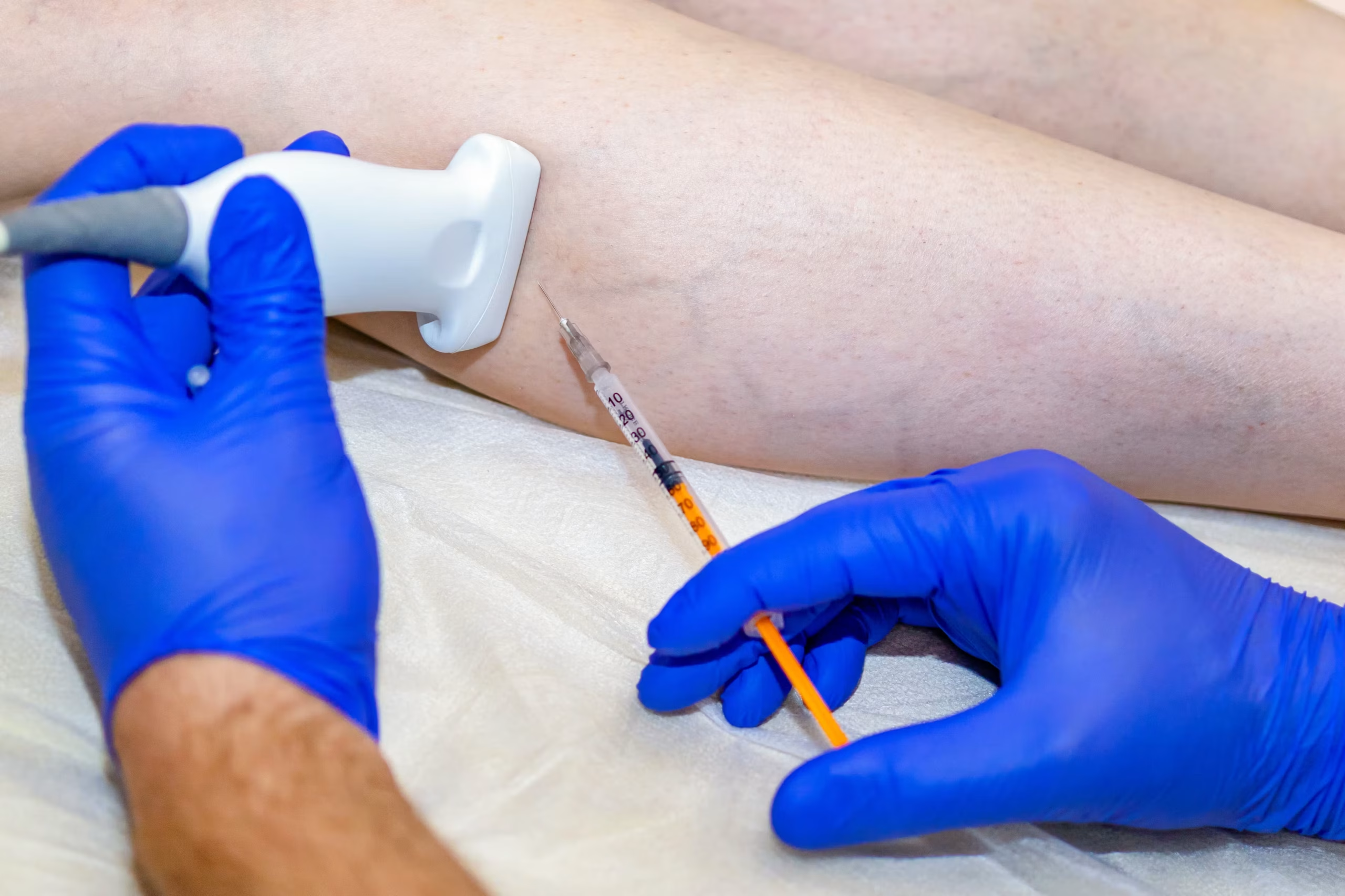
Visible veins are often only part of the problem. In some patients, recurrent spider veins, bulging varicose veins or persistent symptoms may be related to underlying dysfunction in the superficial venous system. Diagnostic testing allows the care team to identify that source and tailor treatment accordingly.
Comprehensive Non-Invasive Vascular Testing
Our vascular laboratory is equipped to perform a broad range of venous and arterial studies in an office setting.
Venous Insufficiency Study
Evaluates venous reflux and valve function within the lower extremities.
Vein Mapping
Maps vein anatomy to help guide procedures and treatment planning.
Arterial Duplex Ultrasound
Uses ultrasound to evaluate arterial blood flow in the lower extremities.
Segmental Pressure & PVR
Measures blood pressure and pulse-volume changes at different levels of the legs.
Ankle Brachial Index
Compares ankle and arm pressures to screen for peripheral arterial disease.
Exercise ABI
Assesses changes in circulation before and after exercise when resting measurements are inconclusive.
Toe Brachial Index
Evaluates small-vessel circulation using blood pressure measurements at the toe.
Skin Perfusion Pressure
Uses laser Doppler technology to assess blood flow at the skin level and healing potential.
Venous Refill Time
Measures how quickly veins refill to help assess overall venous function.
What Patients Ask About Vascular Testing
What is a venous duplex ultrasound?
A venous duplex ultrasound is a non-invasive imaging test that combines ultrasound pictures with blood-flow measurements. It helps evaluate vein anatomy, valve function, reflux, obstruction and other causes of venous symptoms.
Why might I need diagnostic vein testing?
Testing may be recommended if you have varicose veins, swelling, aching, heaviness, skin changes, recurrent vein problems or a wound that may be affected by poor circulation.
Does vascular ultrasound hurt?
No. Ultrasound is non-invasive and does not require an incision or radiation. A technician places a handheld probe against the skin to evaluate the vessels beneath the surface.
What is an ABI test?
An ankle brachial index, or ABI, compares blood pressure at the ankle with blood pressure in the arm. It is commonly used to screen for reduced arterial circulation in the legs.
What is vein mapping used for?
Vein mapping shows the location and course of veins in the leg. It can be used to identify abnormal vessels and help plan procedures such as ablation, sclerotherapy or phlebectomy.
Will I receive treatment the same day as my testing?
That depends on your diagnosis, the type of testing performed and your treatment plan. Your provider will review the results and explain the next recommended steps based on your individual findings.