
Conservative Therapy
Non-invasive strategies designed to reduce symptoms of venous insufficiency and support healthier circulation.
Conservative therapy is often an important first step in managing venous insufficiency. Depending on your symptoms and medical history, your physician may recommend compression, leg elevation, appropriate medication and lifestyle measures before considering minimally invasive vein treatment.
Request an Appointment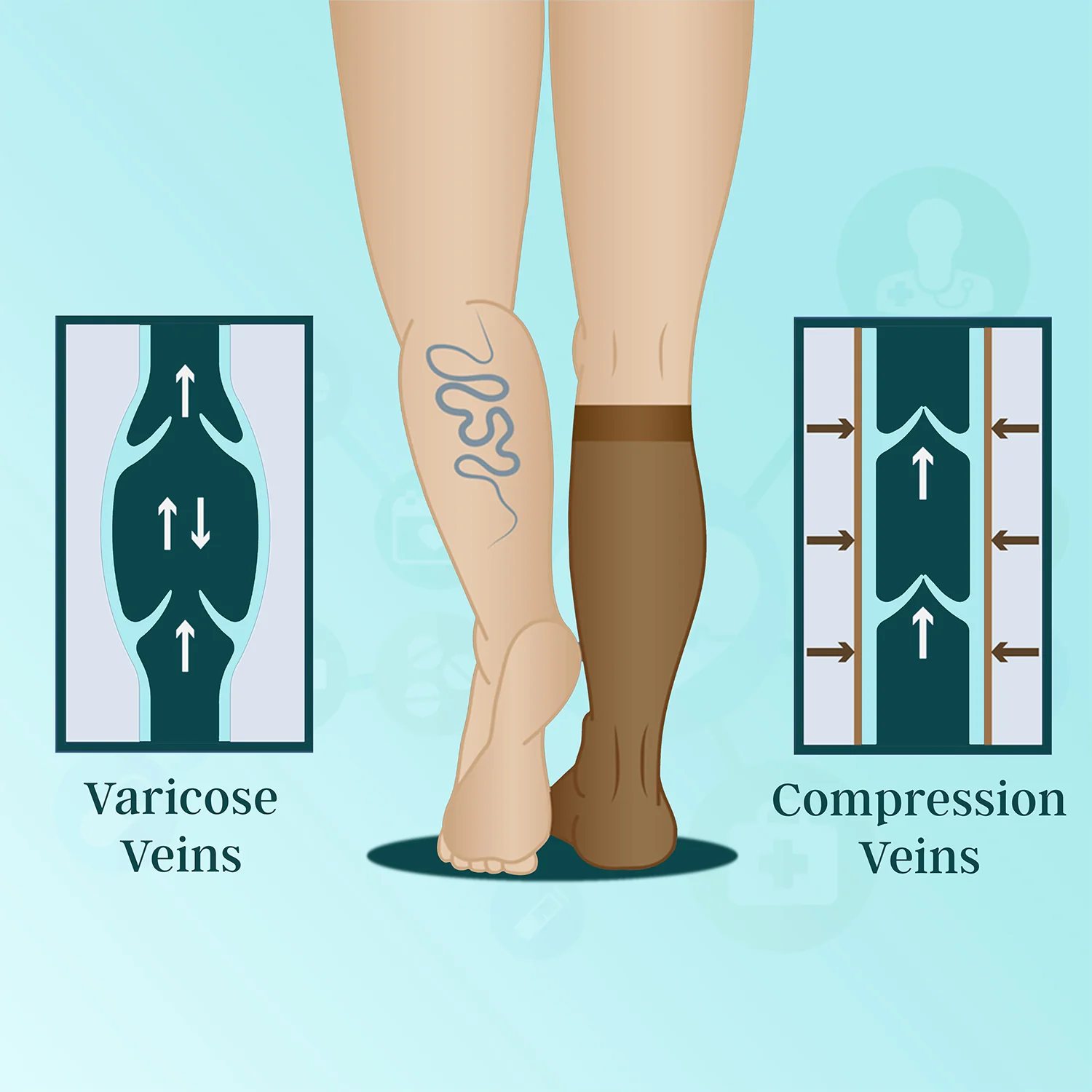
Supporting Circulation Without a Procedure
Conservative measures do not necessarily correct the underlying vein problem, but they can help reduce symptoms such as swelling, aching and heaviness. Some insurance plans may also require a period of conservative management before authorizing other vein treatments.
Common Conservative Treatment Options
Your physician will determine which measures are appropriate for you. A conservative treatment plan may include one or more of the following approaches.
Graduated Compression
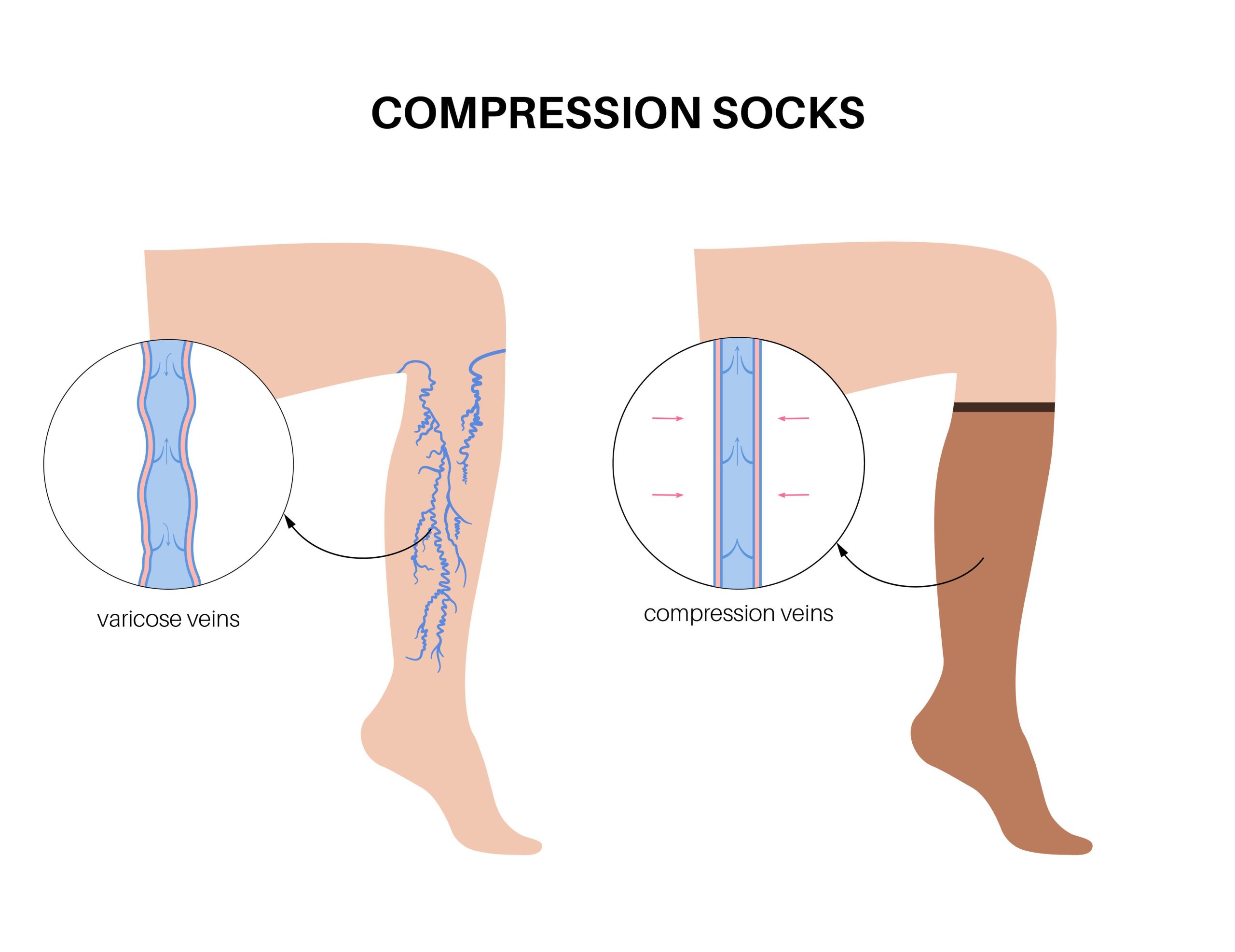
Compression stockings apply the greatest pressure near the ankle and gradually decrease up the leg. This can help reduce pooling of blood and alleviate symptoms associated with venous disease.
Leg Elevation
Periods of leg elevation during the day may help lower pressure in the leg veins, reduce swelling and assist venous blood flow back toward the heart.
Medication When Appropriate
Your physician may discuss medications for pain, inflammation or venous symptoms when medically appropriate. Always check with your healthcare provider before starting medication.
Reassessment
If symptoms persist despite conservative care, your provider can reassess your venous circulation and discuss whether a minimally invasive treatment may be appropriate.
A Simple Way to Help Manage Venous Symptoms
Graduated compression stockings are commonly used to manage symptoms of venous insufficiency. They are designed to apply controlled pressure to the legs, helping reduce pooling and support blood flow.
Practical Steps for Managing Venous Insufficiency
Non-Invasive
Conservative care can begin without injections, incisions or a medical procedure.
Symptom Focused
Measures are selected to help manage swelling, aching, heaviness and related discomfort.
Easy to Integrate
Many strategies can become part of your normal daily routine with physician guidance.
Guides Next Steps
Your response to treatment can help your physician determine whether additional intervention is warranted.
What Patients Ask About Conservative Therapy
What is conservative therapy for venous insufficiency?
Conservative therapy uses non-invasive measures such as graduated compression, leg elevation and physician-directed symptom management to help reduce symptoms associated with venous insufficiency.
Do compression stockings cure venous insufficiency?
Compression stockings can help manage symptoms and reduce blood pooling, but they do not necessarily correct the underlying venous disease.
How does leg elevation help?
Elevating the legs can reduce pressure in the leg veins and help blood flow back toward the heart, which may decrease swelling and discomfort.
Can medication be part of conservative therapy?
Medication may be considered for certain symptoms when appropriate, but you should speak with your physician before starting or changing any medication.
Does insurance require conservative therapy before vein treatment?
Some insurance plans require documentation of conservative management before they will authorize certain vein procedures. Requirements vary by plan, so our team can help you understand what may apply to your coverage.
What happens if conservative therapy does not relieve my symptoms?
If symptoms continue, your physician may recommend additional evaluation and discuss minimally invasive treatment options based on your diagnosis, ultrasound findings and overall health.