Laser Ablation
A minimally invasive treatment designed to close unhealthy veins and improve circulation.
Laser Ablation Vein Treatment, also called Endovenous Laser Ablation (EVLA), is an ultrasound-guided procedure used to treat incompetent veins associated with chronic venous disease. Laser energy is delivered inside the affected vein, causing the vein wall to close and gradually fade as blood is redirected through healthier vessels.
Request an Appointment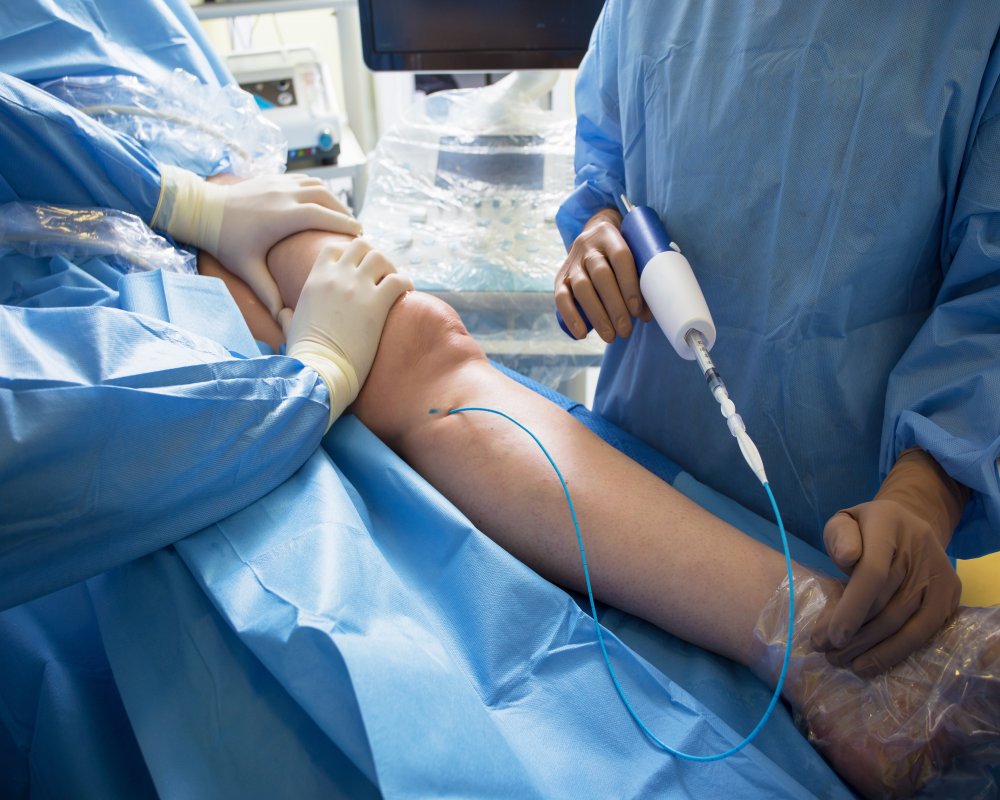
When Laser Ablation May Help
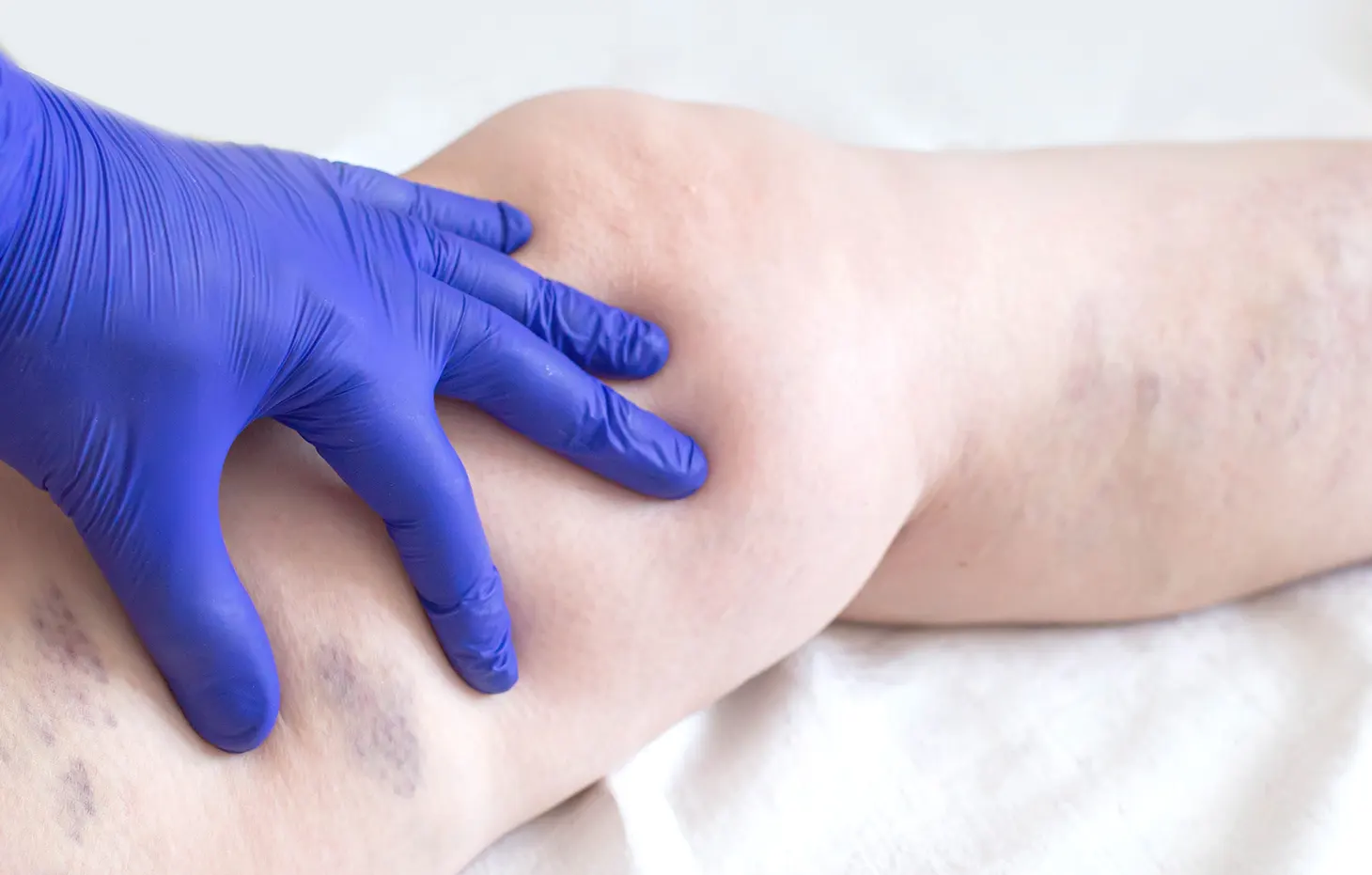
Laser ablation is commonly used to relieve symptoms related to chronic venous disease and venous hypertension.
Targeting the Problem Vein at Its Source
During EVLA, a thin laser fiber is guided into the unhealthy vein using ultrasound. Controlled heat is applied to the vein wall, causing the vessel to seal. Over time, the treated vein is absorbed by the body while circulation is naturally redirected through healthier veins.
How Venous Reflux Can Affect Wound Healing
Venous leg ulcers can develop when reflux allows blood to pool in the legs. This may involve the saphenous veins, perforator veins, or other venous pathways. As pressure builds, fluid can leak into surrounding tissues, causing swelling and inflammation that interfere with oxygen delivery, nutrient exchange and normal healing.
A Safe, Effective Alternative to Traditional Vein Surgery
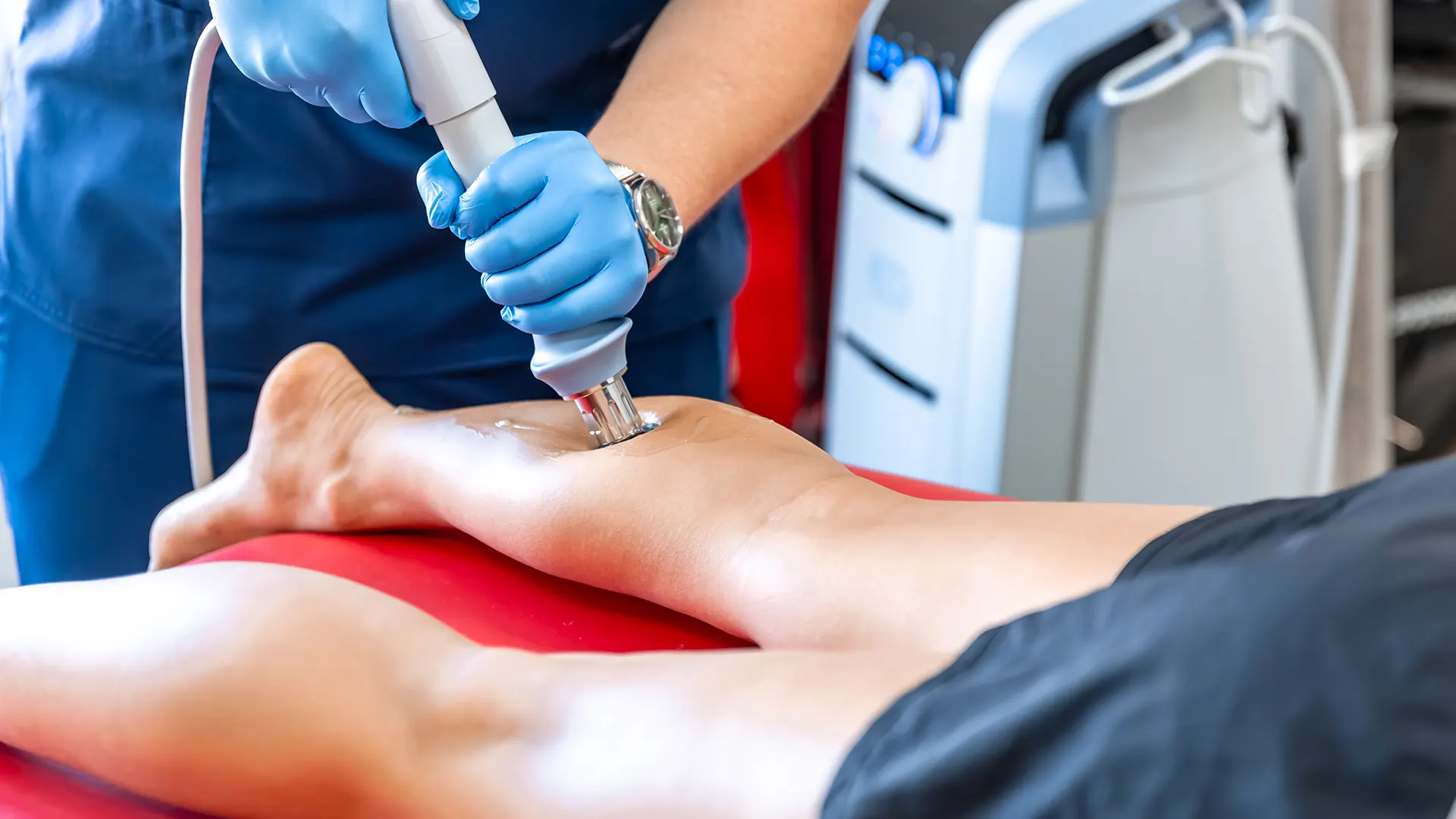
Laser ablation is less invasive than traditional vein stripping and is designed to provide effective treatment with minimal downtime.
No Surgical Incision
The treatment is performed through a small access point rather than a traditional open procedure.
Minimal Scarring
Because the procedure is minimally invasive, visible scarring is typically limited.
Office-Based Care
Laser ablation can usually be performed in the office with local anesthesia and, when needed, a mild sedative.
Fast Return to Activity
Many patients are able to walk immediately after treatment and resume normal daily activities soon afterward.
What Patients Often Ask About Laser Ablation
What is laser ablation vein treatment?
Laser ablation, or EVLA, uses laser energy delivered inside an unhealthy vein to close it. Once the vein is sealed, blood is redirected through healthier veins and the treated vessel gradually fades.
Is the procedure painful?
Most patients experience little to no pain during treatment. Local anesthesia is typically used, and a mild sedative may be offered when appropriate.
How long does treatment take?
The procedure usually takes about 30 to 60 minutes, depending on the number and size of the veins being treated.
What is recovery like?
Most patients can walk immediately after treatment and return to normal activities the same day or shortly afterward. Strenuous exercise may be limited for a brief period.
Are there side effects or risks?
Temporary bruising, soreness or tightness along the treated vein can occur. Serious complications are uncommon, but your provider will review risks and aftercare with you before treatment.
Will the treated vein come back?
The treated vein is permanently closed. However, new varicose veins can develop over time and may require evaluation or treatment if they become symptomatic.