
Quick Answer
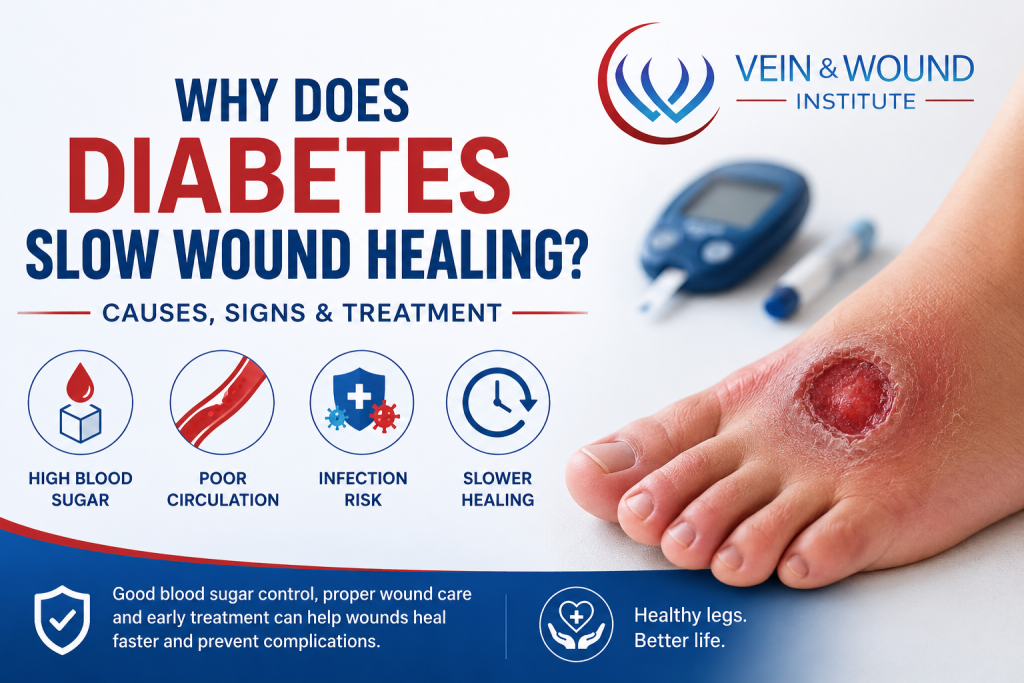
Wound healing in diabetes is commonly delayed as high blood sugar levels can induce blood vessel damage, decreased blood flow, and impair the immune system’s capacity to combat infection. This can lead to sluggish wound healing and increased risk of wound infection. Good blood sugar control, early adequate wound care, and proper medical treatment can help wounds heal and prevent complications.
5 Important Things To Remember
● One of the main reasons why diabetics’ wound healing takes longer is due to high blood sugar.
● If circulation is poor, there is less oxygen and nutrients to repair wounds.
● Don’t ignore signs like redness, swelling, discharge, or an open wound that is not getting better.
● Proper wound care and blood sugar control can help wounds heal more quickly.
● Early treatment may prevent a chronic wound and other serious problems.
Introduction
Small cuts and scrapes will begin to heal in a few days. But for diabetics, it may take a lot longer to heal. High blood sugar can impede diabetes wound healing by affecting blood flow, damaging nerves, and reducing the body’s capacity to fight infection.
Many people may be unaware that diabetes can cause a wound to heal improperly. An untreated tiny open wound can turn dangerous. Knowing why diabetes slows the healing of wounds, spotting the warning signs, and getting treatment early can help cut the risk of complications.
What is Wound Healing in Diabetes?
Diabetes wound healing explains how the body heals damaged skin and tissue in individuals with diabetes. The body normally sends oxygen, nutrients, and infection-fighting cells to the wounded area to help it heal.
If the blood sugar stays high, this natural healing process slows down. Damaged blood vessels, reduced circulation, and a less efficient immune system can follow. This causes wound healing for diabetic people to become slower.
Why Does Diabetes Slow Wound Healing?
There are various reasons why diabetes mellitus can delay wound healing.
High Blood Sugar
Over time, high blood sugar can damage tiny blood vessels. This leads to the wound receiving less oxygen and nutrients, which slows down the healing process.
Inadequate Blood Flow
Poor blood flow is one of the most common causes of slow healing in patients who have diabetes. Poor circulation makes it difficult for the body to repair damaged tissue and combat infection.Poor circulation may also be caused by chronic venous insufficiency.
Damage to the Nerves
Diabetes can cause damage to the nerves and reduce the feeling in the feet and legs. For this reason, minor injuries can be overlooked and worsen before any care is initiated.
Infection of a Wound
People with diabetes are more prone to developing a wound infection, as elevated blood sugar can weaken the immune system. An infected wound may become painful, start to drain fluid, or get bloated, further slowing recovery.
Weakened Immune Response
White blood cells help fight bacteria and aid healing in the body. Diabetes can impair their efficiency, making it difficult to manage infection and restore damaged tissue.
Signs Diabetes Is Affecting Wound Healing
If you notice the early indicators of sluggish healing, you can save more serious problems from developing.
Symptoms may include:
- A sore that doesn’t heal in a few weeks.
- Swelling or redness around the wound.
- Drainage or fluid from the wound.
- An evil smell from the wound.
- More pain or tenderness.
- Damaged or dark tissue around the wound.
- Fever or other indications of infection.
If these symptoms persist, please seek medical assistance promptly.
How Can a Diabetic Wound Heal Faster?
I get asked this question a lot: “How do I get a diabetic wound to heal faster?” All wounds are different, but there are several steps that can help with diabetes and wound healing.
Maintain Blood Sugar Levels
Supporting wound healing is one of the most significant reasons to maintain healthy blood sugar levels.
Practice Effective Wound Care
Gently clean the area, change dressings as recommended, and maintain the wound free of dirt and bacteria.
Reduce Wound Pressure
If the wound is on a foot or leg, reducing pressure on the area can help the damaged tissue to heal better.Without proper care, slow-healing wounds may increase the risk of leg ulcers.
Consume a Nutritious Diet
Your body needs nutrition such as protein, vitamins, and minerals to repair wounds.
Don’t Smoke
Smoking slows blood flow and the delivery of oxygen, which slows recovery.
Regular Health Checks
Regular monitoring enables healthcare providers to recognize problems early and offer the proper therapy before a wound becomes chronic.
When to See a Doctor
See a doctor immediately if:
- The scar has yet to heal.
- The redness or swelling is increasing in size.
- The wound is draining pus or has a foul odor.
- Pain doesn’t improve; it becomes worse.
- You have a temperature.
- Instead, the wound gets bigger and bigger.
- If you have diabetes and notice a wound that isn’t healing quickly, it is important to seek medical attention.
Early treatment can assist in lowering the risk of infection and preventing a chronic wound.
Summary
Diabetes wound healing is often slower, as high blood sugar affects blood circulation, damages nerves, and reduces the body’s ability to fight infection. Hence, a small open wound takes a longer time to heal and becomes a chronic wound if left untreated.
Early identification of warning signals, adequate wound care, blood glucose management, and timely medical intervention can improve diabetes wound healing in diabetic patients. If the wound does not heal or there are signs of infection, it is crucial to consult a health care provider for proper examination and treatment.
Frequently Asked Questions
2. What are indicators of sluggish diabetes wound healing?
Typical signs include a wound that is open and not healing, redness, swelling, drainage, pain, foul odor, and delayed healing.
3. What helps a diabetic wound to heal faster?
Good blood sugar control, proper wound care, healthy nutrition, reducing pressure on the wound, and early medical treatment can all help a diabetic wound heal faster.
4. Why are patients with diabetes more prone to wound infections?
High blood sugar can also impair the body's immune system, making it harder to fight off micro-organisms and increasing the risk of wound infection.
5. Is poor circulation a factor in diabetes wound healing?
Yup. Poor circulation means there is less oxygen and nutrients available to heal damaged tissue, and the healing process is slowed.
6. When should I see a doctor about a wound with diabetes?
See a doctor if the wound doesn't get better after several weeks, gets more painful, exhibits signs of infection, or grows instead of shrinks.
7. Can wounds in diabetes heal completely?
Yeah. With good blood sugar control, good wound care, and early medical treatment, many diabetes-related wounds may recover well.