
Different Types and Etiologies of Chronic Wound
Types and Etiologies of Chronic Wounds
Chronic wounds are those types of wounds that fail to heal with time and do not go through a sequence of repair. Sometimes, these wounds go through the healing process but still fail to restore functional and anatomic results. Usually, there is physiological impairment that prevents the wound from healing or slows down the healing process altogether. Open wounds can be classified as gunshot wounds, puncture wounds, penetration wounds, abrasions, avulsions, lacerations, and incisions. Closed wounds can also be sorted into further classifications and some of those classifications include hematomas, also known as blood tumors, that can further be divided into purpura, petechiae, ecchymosis, and contusions, and crush injury. Further classification based on the etiology of the chronic wound can incorporate diabetic wounds, arterial wounds, venous leg ulcers, radiation wounds, pressure ulcers, and cancer wounds, etc.
Due to the spread and growth of microbes and pathogenic organisms around and in the wound, there can be wound infections. These infectious bodies disturb the immune system of the body and can slow the healing process. These infections can also damage the tissues around the wound and cause inflammation that can be painful.
Major Types of Acute Open Wounds
• Laceration
A laceration can be identified as a tear or a cut in the skin. People encounter accidents with a number of objects and machines on a daily basis and most of the time, these objects and machines can tear their skin or leave a deep cut in the skin. In this case, you can face extensive and rapid bleeding and might need the help of a professional health care worker.
• Abrasion
You usually get an abrasion when you fall and scrape your skin against a hard and rough surface. In these types of wounds, there is hardly any loss of blood, however, these wounds can lead to infections. So, to avoid these harmful infections that can further lead to serious health problems, you should get it cleaned and disinfected.
• Avulsion
In an avulsion, your skin and the tissues underneath undergo a complete or partial tearing. People usually get these types of wounds when they are involved in severe accidents like gunshots, car accidents, and explosions. In these wounds, there can be a major loss of blood and hence, the person requires immediate help.
• Puncture
Needles or nails are usually the major cause of puncture wounds as they can cause a small hole in the skin as they are pointy and sharp. Sometimes, a puncture wound can also be caused by a bullet. There might not be a lot of blood loss, but these wounds have the potential of resulting in a serious internal injury as in damaged internal organs. You might also need to visit your doctor to get it disinfected and treated.
Major Types of Chronic Wounds

Pressure Ulcers
Pressure ulcers are common in patients who have been hospitalized for prolonged durations and those patients who live in nursing homes. Paralysis or stroke prevents the patients from feeling the pressure and hence, they don’t remove that pressure from their body, leading to the formation of pressure ulcers.
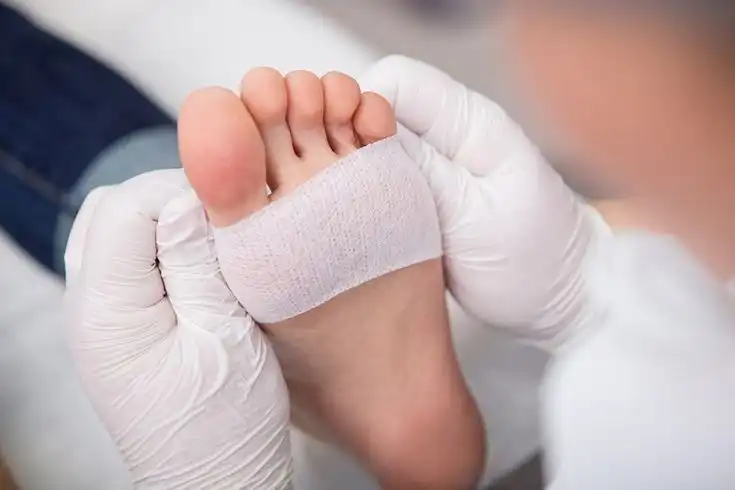
Diabetic Foot Ulcers
Most of the diabetic foot ulcers are caused on the plantar surface by increased pressure during ambulation. These chronic, non-healing wounds can be the consequence of neuropathy and ischemia or only neuropathy.
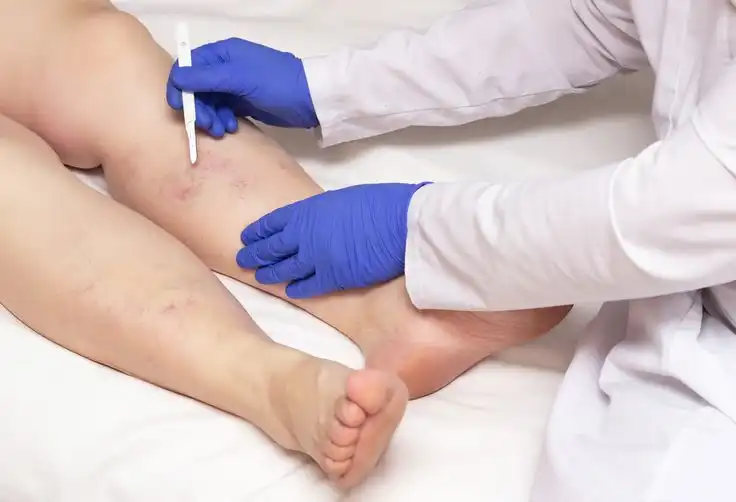
Venous Ulcers
Venous ulcers can be found between the ankle and the knee. These wounds are usually irregular and shallow. The skin around these wounds becomes eczematous along with showing crusting and scaling.

Arterial Insufficiency Ulcers
Arterial Insufficiency Ulcers, also called as ischemic wounds or ischemic ulcers, can usually be found on the distal digits or the lateral region of the ankle. These wounds are generally the consequence of PAD, also known as Peripheral Arterial Disease.
Chronic Wound Healing Process
A wound that takes more than three months to heal or doesn’t heal within a period of three months is known as chronic or non-healing wound. Chronic or non-healing wound is a type of wound that does not heal in a sequence of healing and repair process. For these wounds, there is also no predictable amount of time to heal as it is with other types of wounds. These wounds usually progress through various stages of wound healing processes unlike other wounds. Until and unless, you take proper care of the damaged skin area, there are chances that the problem might aggravate so, it is always better that you take appropriate measures to prevent any kind of serious health issue.